
Choosing the right Disposable Tablecloth supplier involves more than comparing prices or browsing attractive product photos. Buyers must examine fabric weight, spill resistance, color consistency, packaging quality, and delivery reliability. A thin tablecloth may look acceptable online, yet tear when plates, sauces, and serving tools crowd a busy banquet table.
Packaging analyst Lynn Dornblaser offers a useful perspective: “A material story is only useful when it matches real consumer behavior.” Her point matters here. A supplier may promote recycled content, elegant textures, or convenient packaging. Those claims still require verification. Buyers should request product specifications, factory details, sample orders, and clear quality-control information before making a large purchase.
This guide reviews 10 Best Disposable Tablecloth Suppliers Worldwide through a practical sourcing lens. It considers product range, customization, minimum order quantities, production capacity, export experience, and customer communication. Some suppliers excel in premium event linens. Others focus on economical rolls for restaurants, caterers, and high-volume celebrations. Not every supplier fits every buyer.
No ranking is perfect.
Market conditions change. Lead times shift. Product quality can vary between batches. Even experienced buyers sometimes overlook carton strength or color differences under venue lighting. That is why the comparison also highlights potential weaknesses, not only polished advantages. The goal is a dependable shortlist for businesses seeking Disposable Tablecloth products that perform consistently, arrive safely, and match the expectations of real customers.
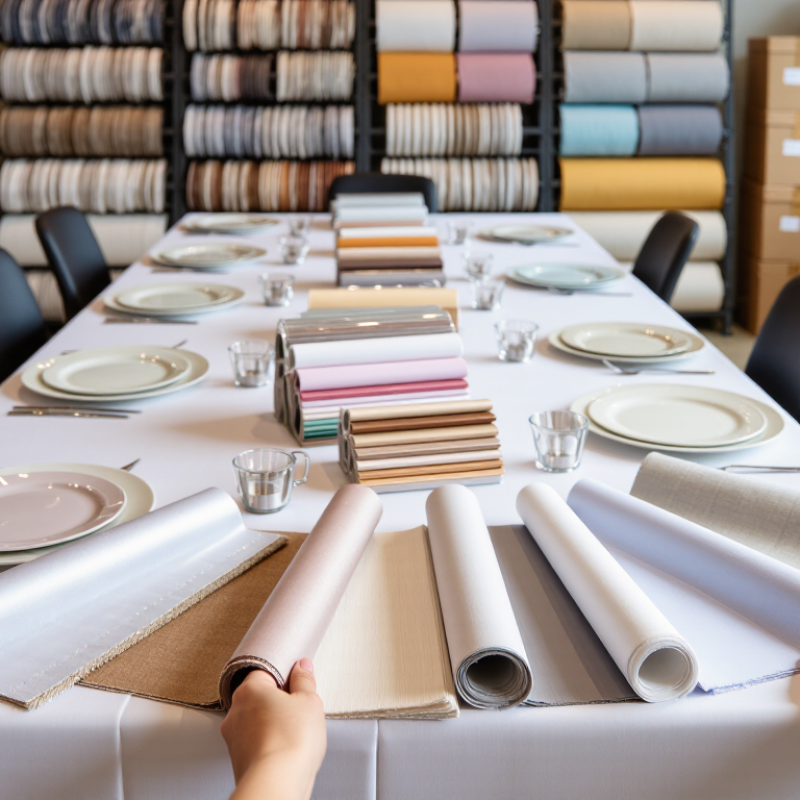
A reliable disposable tablecloth supplier does more than quote a low price. They provide consistent material, clear specifications, and evidence of production controls. In practical purchasing, small differences matter. A 54-inch round cloth should fit the table without pulling at the edges. A rectangular cover should resist tearing when plates slide across it. Ask for samples before placing a large order. Check thickness, surface texture, folding quality, and color consistency under indoor lighting. Supplier experience also shows in their answers. Knowledgeable teams explain polyethylene, paper, or laminated options without hiding limitations. That candor builds trust.
Reliability also depends on documentation and communication. Look for accurate dimensions, packing details, lead times, and responsive after-sales support. A dependable supplier can trace production batches and address damaged cartons with a practical solution. Certifications may support quality claims, but they should match the actual product and market. Do not accept vague promises. I have found that rushed sampling creates avoidable problems, especially when table sizes vary. This is where my judgment can be imperfect: appearance may seem excellent, while tear resistance fails during a busy event. Test under realistic use.
Tips: Request three samples from different batches. Measure them after unfolding. Wipe a small area with a damp cloth. Test corner tension and light spills. Keep written records of every result. A supplier who welcomes these questions is easier to trust, although no sample predicts every shipment perfectly.
Disposable tablecloth suppliers worldwide typically offer several practical formats: rolls, pre-cut rectangles, fitted covers, and individual placemats. Rolls suit irregular tables and reduce leftover material. Pre-cut covers save preparation time during conferences or catering events. Fitted designs stay secure around folding tables, especially in outdoor settings. However, sizing can vary more than expected. Always compare table dimensions with the supplier’s finished measurements.
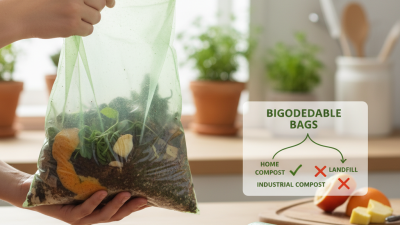
Material choice affects appearance, strength, and disposal requirements. Polyethylene covers resist light spills and wipe clean easily. PVC options usually feel heavier and create a smoother dining surface. Paper tablecloths provide a natural texture and work well for cafés, parties, and children’s activities. Nonwoven fabrics offer a softer appearance while handling repeated movement better than thin paper. Some suppliers provide cellulose, PLA, or other plant-based materials. Their environmental claims need careful checking. Local composting facilities may not accept every certified product.
Experienced buyers should request samples before placing large orders. Check tear resistance near the table corners. Rub the surface with a damp cloth. Observe whether the print fades or the material curls. I once chose a bright, low-cost cover that looked attractive online but split during setup. That mistake changed my purchasing checklist. Reliable suppliers should clearly state dimensions, material thickness, packaging quantities, and relevant test documentation. A lower price is not always better. Sometimes, it simply means thinner material.
This industry overview compares common disposable tablecloth formats by the number of widely used material families available for each format. The material families include polyethylene (PE), polyvinyl chloride (PVC), paper, and polypropylene (PP) nonwoven fabric. The figures describe product variety rather than supplier market share.
PE and PVC are widely used for waterproof film tablecloths, paper is common for lightweight and printed designs, and PP nonwoven fabric is frequently used for softer, more textile-like disposable covers.
Quality starts with measurable specifications, not glossy samples. Request fabric type, weight, tear strength, liquid resistance, and colourfastness results. For paper products, check coating uniformity and edge cracking after folding. For nonwoven products, inspect fibre bonding and seam strength. Smithers’ Future of Global Nonwovens to 2028 projects continued market growth through 2028, increasing supplier choice but also quality variation.
Ask for recent test reports and food-contact documentation where relevant. OECD’s Global Plastics Outlook reports that packaging represents about 40% of global plastic waste. Therefore, request material composition, recycled content, and disposal guidance. Sustainability claims need evidence. A certificate alone may not explain real performance.
Compare prices by covered square metre, not by carton price.
Include printing, packing, tooling, shipping, duties, and storage. A low unit price can become expensive after freight. Request three quantities, such as 1,000, 10,000, and 50,000 pieces. Record the minimum order quantity and production lead time. Small mistakes matter.
Customization should cover dimensions, pleat style, print repeat, colour tolerance, corner shape, and packaging. Ask for a physical pre-production sample. Digital proofs can hide ink density problems. One practical weakness remains: suppliers may report different test methods, making direct comparison imperfect. Use the same specification sheet for every quotation. A supplier that answers clearly is often easier to audit later.
Regional Strengths of Leading Disposable Tablecloth Suppliers
North American suppliers often excel in customization and fast replenishment. They can produce printed tablecloths for restaurants, caterers, and seasonal events. Their strength usually lies in responsive communication, flexible order quantities, and clear packaging details. Buyers should request material samples before approving large volumes. Small differences in thickness can affect drape, tear resistance, and table coverage.
European suppliers often emphasize recycled fibers, restrained designs, and traceable production records. Many provide detailed information about coatings, inks, and food-contact suitability. This helps professional buyers compare products beyond price. However, premium specifications may increase costs. The most attractive sample is not always the most practical choice.
Asian suppliers remain strong in large-scale production, color variety, and private-label packaging. They can support complex patterns and high-volume seasonal orders. Reliable buyers still inspect color consistency, carton strength, and moisture protection. A bright sample may fade slightly after storage; this is easy to overlook. Suppliers in Latin America often offer useful regional distribution links and shorter routes for nearby markets. Middle Eastern and African distributors can provide valuable access to hospitality projects, especially where local warehousing matters. Delivery performance varies by port, season, and inland transport. A supplier’s catalog cannot reveal everything. Recent production records and independent quality checks deserve more attention.
A practical comparison of anonymous supplier profiles based on common regional manufacturing capabilities, product formats, and export requirements
| Rank | Supplier Profile | Primary Region | Regional Strength | Common Materials | Product Formats | Customization Capability | Typical MOQ | Typical Production Lead Time | Common Compliance Documentation | Best Fit For |
|---|---|---|---|---|---|---|---|---|---|---|
| 1 | Profile A | East Asia | High-volume production and broad export infrastructure | PE filmPP nonwovenPaper | Rolls, banquet sheets, fitted covers, table skirts | Private-label printing, custom sizes, embossing, packaging design | Approximately 5,000–20,000 pieces | Approximately 20–45 days | Food-contact declarations, factory audit reports, recycled-content records where applicable | Importers, hospitality distributors, and large promotional campaigns |
| 2 | Profile B | South Asia | Cost-efficient paper conversion and flexible small-to-medium runs | Virgin paperRecycled paperLaminated paper | Folded table covers, placemats, napkins, paper runners | Flexographic printing, water-based coatings, seasonal artwork | Approximately 3,000–15,000 pieces | Approximately 25–50 days | Paper safety documentation, ink declarations, FSC or recycled-content evidence when available | Restaurants, caterers, and eco-focused retail programs |
| 3 | Profile C | Southeast Asia | Competitive pricing with growing capacity for printed disposable décor | PEPPSpunbond | Rectangular covers, round covers, fitted covers, table runners | Rotogravure printing, custom color matching, retail-ready cartons | Approximately 5,000–25,000 pieces | Approximately 25–55 days | Material specifications, migration test reports, social-compliance documentation | Value retailers, event wholesalers, and regional importers |
| 4 | Profile D | Western Europe | Strong sustainability positioning and access to premium paper supply | Recycled paperCompostable paperCellulose-based film | Paper tablecloths, runners, napkins, catering sets | Premium graphics, embossed finishes, certified-material sourcing | Approximately 1,000–10,000 pieces | Approximately 15–35 days | Food-contact compliance, recyclability information, compostability certification where applicable | Premium foodservice, sustainable hospitality, and European retail |
| 5 | Profile E | Central and Eastern Europe | Shorter regional delivery routes and responsive private-label production | PaperPE-coated paperNonwoven | Folded sheets, runners, placemats, party table covers | Custom dimensions, multilingual packaging, moderate-volume printing | Approximately 2,000–12,000 pieces | Approximately 15–35 days | EU food-contact documentation, packaging-material declarations, batch traceability | European wholesalers needing shorter replenishment cycles |
| 6 | Profile F | North America | Domestic distribution, rapid replenishment, and strong foodservice packaging support | PaperPEPolyester-like nonwoven | Banquet rolls, pre-cut sheets, disposable skirts, catering packs | Stock printing, custom artwork, case-pack optimization | Approximately 1,000–8,000 pieces | Approximately 10–30 days for stock or semi-custom orders | Food-contact statements, packaging specifications, retailer compliance files | Hotels, caterers, restaurant-supply distributors, and event rental companies |
| 7 | Profile G | Latin America | Regional supply for celebrations, foodservice, and seasonal events | PaperPE filmPP nonwoven | Printed covers, party sets, runners, placemats | Localized artwork, Spanish or Portuguese packaging, standard color ranges | Approximately 2,000–15,000 pieces | Approximately 20–45 days | Material safety declarations, local labeling records, packaging specifications | Party-supply distributors and regional supermarket programs |
| 8 | Profile H | Middle East and North Africa | Event-focused production with demand for decorative and larger-format covers | PEPaperNonwoven | Large banquet covers, round covers, table skirts, printed runners | Decorative patterns, bilingual packaging, custom banquet dimensions | Approximately 3,000–20,000 pieces | Approximately 25–50 days | Food-contact declarations, country-specific labeling, shipment documentation | Hotels, wedding planners, catering companies, and event wholesalers |
| 9 | Profile I | Oceania | Reliable supply for hospitality and outdoor-use applications | PaperPECompostable materials | Picnic covers, catering rolls, table runners, pre-packed sets | Climate-appropriate packaging, sustainability labeling, compact case packs | Approximately 1,000–10,000 pieces | Approximately 20–45 days | Food-contact records, compostability evidence where applicable, product labeling files | Outdoor events, cafés, catering suppliers, and sustainability-led retailers |
| 10 | Profile J | Turkey and Eastern Mediterranean | Geographic access to Europe, the Middle East, and North Africa | PaperPE-coated paperNonwoven | Printed sheets, banquet rolls, table runners, disposable skirts | Custom printing, flexible pack formats, multilingual labels | Approximately 2,000–15,000 pieces | Approximately 15–40 days | Food-contact declarations, packaging compliance records, product test documentation | Cross-border distributors serving Europe and nearby markets |
Note: MOQ and lead-time figures are typical industry ranges for comparable disposable tablecloth production programs. Actual terms vary according to material, printing method, order volume, seasonality, certification requirements, and destination.
Comparing ten global disposable tablecloth suppliers requires more than checking prices. I would review material weight, sheet size, packaging, minimum order quantity, and production capacity. Suppliers usually offer paper, nonwoven, plastic, or laminated options. Each material suits a different setting. Paper feels natural but may tear near wet dishes. Laminated sheets resist spills better, although they can feel less refined. Requesting samples is essential. A ten-minute table test can reveal folding marks, color transfer, edge strength, and surface texture.
Reliable suppliers should provide clear product specifications and relevant food-contact documentation when required. They should also explain printing methods, ink suitability, lead times, and carton protection. Communication matters during changes. A responsive export team can prevent mistakes in dimensions or artwork. However, a low quote may hide higher shipping costs or weak packaging. My comparison is not flawless. Supplier performance can change with season, factory workload, and order size. Even an experienced buyer should verify current samples and documents before making a decision.
Tips: Compare landed cost, not unit price. Ask for one packed carton sample. Check whether the tablecloth stays flat after storage. Confirm color consistency across repeat orders. Keep written approval for size, material, artwork, and packing details. Small omissions create expensive problems later.