Top 10 Benefits of Using Food Plastic Wrap in Your Kitchen
In the bustling environment of a modern kitchen, efficiency and organization are key. Food Plastic Wrap emerges as a powerful tool to enhance both. Its versatility allows for easy storage, reducing waste and maintaining freshness in various food items. With the right application, you can extend the lifespan of your leftovers.
However, it’s essential to recognize the limitations. Improper use may lead to spoilage or contamination. Not all wraps are created equal, and some may not be suitable for every food type. Understanding these nuances is crucial for effective kitchen management. By exploring the top benefits of Food Plastic Wrap, you can redefine your food preservation strategies and make informed choices.
Whether you're a culinary novice or a seasoned chef, the advantages are hard to ignore. This article will detail ten significant benefits that can elevate your cooking experience and contribute to smarter food storage practices.
Benefits of Food Plastic Wrap: An Overview
Food plastic wrap is an essential tool in any kitchen. Its versatility makes it invaluable for various cooking and food storage tasks. One major benefit is its ability to keep food fresh. By tightly sealing leftovers or ingredients, it reduces the chances of spoilage. This can save money and reduce waste.
Another significant advantage is its ease of use. Simply unroll, cut, and seal your item. This straightforward process encourages more home cooking. It’s often easier than finding appropriate containers. However, it's essential to be mindful of using the right type of plastic wrap. Not all wraps are microwave-safe or suitable for certain foods, which can lead to concerns about leaching chemicals.
Moreover, food plastic wrap is handy for marinating. By sealing the food, flavors meld beautifully over time. It also helps in preventing cross-contamination while storing raw meat. But remember, overusing plastic can contribute to environmental issues. Consider alternatives for eco-conscious kitchens, balancing convenience with sustainability.
Top 10 Benefits of Using Food Plastic Wrap in Your Kitchen - Benefits of Food Plastic Wrap: An Overview
| Benefit |
Description |
Use Case |
| Food Preservation |
Helps to keep food fresh by sealing out air and moisture. |
Wrapping leftover fruits and vegetables. |
| Convenience |
Easy to use, store, and flexible in application. |
Quickly wrapping snacks for lunch. |
| Versatility |
Can be used for a variety of food items and containers. |
Covering bowls, plates, and trays. |
| Reduction of Waste |
Less spoilage leads to fewer food waste contributions. |
Wrapping bulk items purchased. |
| Microwave Safe |
Can be used safely in microwaves for reheating food. |
Covering dishes while microwaving. |
| Cost-Effective |
Generally affordable and lasts a long time. |
Budget-friendly food storage. |
| Time-Saving |
Quickly wraps items without needing containers. |
Packing meals for on-the-go. |
| Easy Cleanup |
Reduces mess from spills and makes cleaning easier. |
Covering dishes to prevent splatters. |
| Storage Organization |
Helps to keep food items organized in the fridge. |
Separating different food items in the fridge. |
| Hygiene |
Protects food from contaminants and odors. |
Wrapping homemade dishes before storing. |
Preserving Freshness of Food with Plastic Wrap
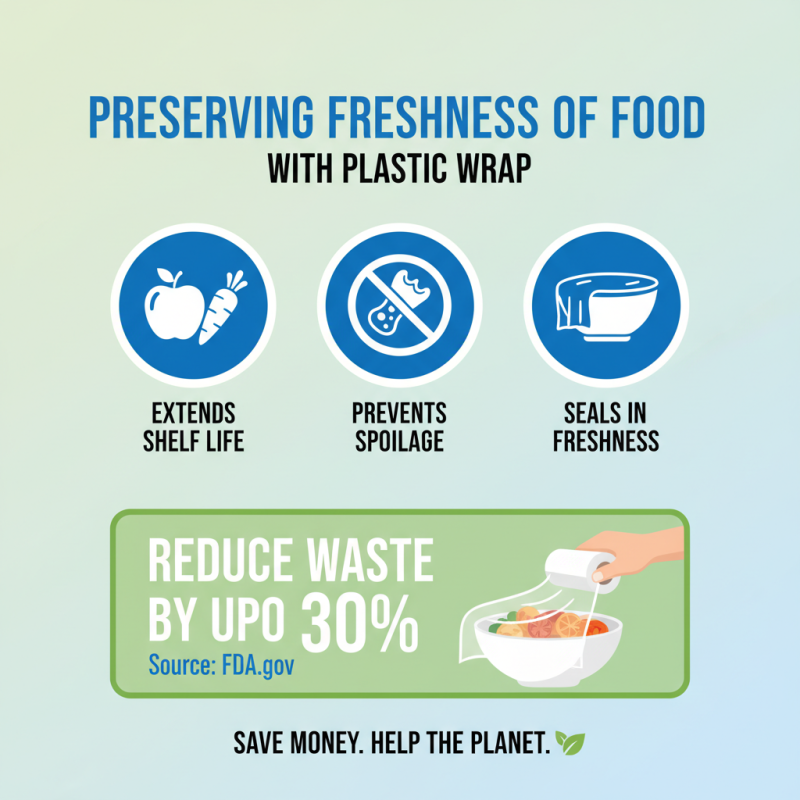
Food plastic wrap is a vital tool in any kitchen. It effectively preserves food freshness, preventing spoilage and extending shelf life. According to the Food and Drug Administration, proper food storage methods can reduce waste by up to 30%. This means using plastic wrap correctly can have a significant impact on both your budget and the environment.
When wrapping food items, ensure they are completely covered. This minimizes exposure to air, slowing down oxidation. Use a tight seal to keep moisture in and contaminants out. Remember, not all plastic wraps are created equal. Some are designed to withstand high temperatures, while others excel in preventing odors.
Tip: For best results, store wrapped items in a cool, dark place. Heat and light can compromise the integrity of the wrap and your food. Also, it may be tempting to reuse plastic wrap, but this can encourage bacteria growth. Always err on the side of caution.
While plastic wrap has its benefits, it does come with challenges. Overeager wrapping can lead to excessive waste. Consider using cloth wraps or reusable containers for less frequent use items. Adapt your practices to be both resourceful and responsible, combining convenience with sustainability.
Enhancing Food Storage Efficiency in the Kitchen
Food plastic wrap is a versatile tool in any kitchen. It effectively enhances food storage efficiency. By tightly wrapping fruits, vegetables, and leftovers, you create a barrier against air and moisture. This reduces spoilage and extends freshness. Fruits like apples and grapes stay crisp longer when wrapped. Vegetables retain their color and flavor, making meals more appealing.
One significant advantage is the ability to portion leftovers easily. Small servings can be wrapped and stored without taking up much space. This encourages meal prep, leading to reduced waste. While using plastic wrap is convenient, it has drawbacks. Over-reliance can lead to clutter and creativity loss in meal presentation. Alternatives like reusable containers may encourage more innovative storage solutions.
It's important to balance efficiency with environmental impact. Relying solely on plastic may contradict sustainability goals. Reflecting on food storage methods can help improve both freshness and culinary creativity. It’s worth considering these aspects when organizing your kitchen space.
Utilizing Plastic Wrap for Leftover Management
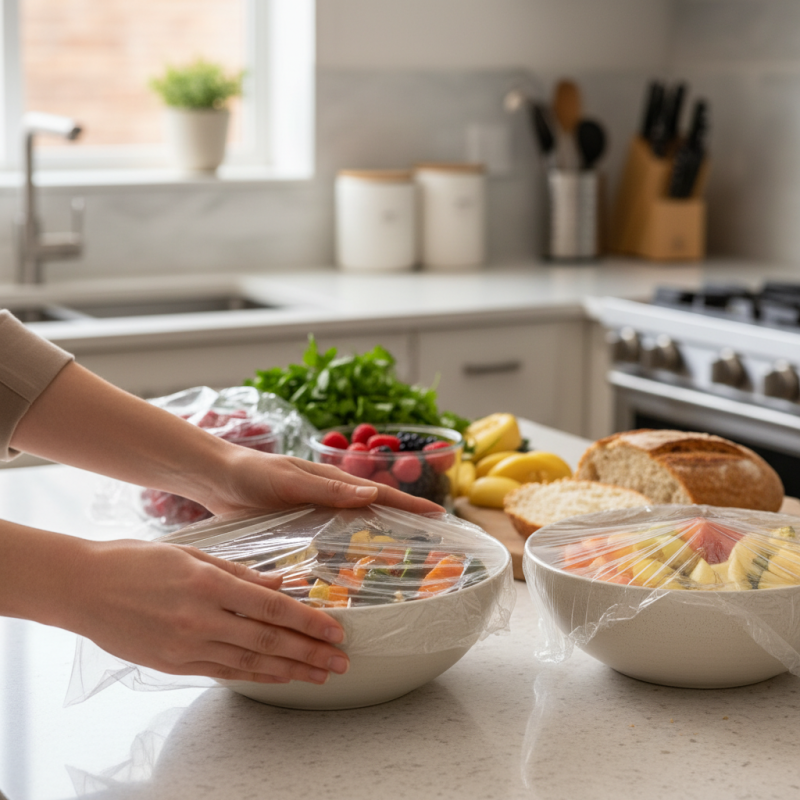
Managing leftovers can be challenging in any kitchen. With a busy lifestyle, it’s easy to forget what you have stored away. Food plastic wrap becomes a practical solution for organizing and preserving those leftovers. By covering your food tightly, you prevent contamination and odors from invading your refrigerator. This is especially helpful for items like cut vegetables or half-eaten meals. You’ll reduce waste and still enjoy delicious meals later.
Many people overlook the importance of properly sealing leftovers. Sometimes, the wrap isn't applied tightly, leading to dry or spoiled food. It’s essential to check for creases or gaps. Using plastic wrap effectively requires focus, but the effort pays off with fresher meals. You might find that using a double layer helps seal better. Experimenting can reveal the ideal technique for your kitchen needs. Remember, kitchen efficiency is built on small habits—like mastering the use of food plastic wrap.
Versatile Uses of Food Plastic Wrap Beyond Storage
Food plastic wrap is commonly associated with food storage, but its versatility extends far beyond that. According to industry reports, the global food wrap market is projected to grow significantly, driven by its multifunctional uses. This stretchable film can effectively cover bowls, wrap sandwiches, and even create airtight seals for leftovers. It keeps food fresh longer, reducing waste and saving money.
Beyond basic storage, food plastic wrap has unexpected applications. Many chefs use it to create unique cooking methods, like sous-vide. By sealing food in the plastic wrap, cooks can maintain moisture and flavor during the cooking process. Additionally, it can be used to line containers for easy cleanup or protect surfaces while cooking. However, users should be cautious; not all plastics are microwave-safe.
The ease of using food plastic wrap comes with some downsides. Some find it challenging to handle, especially when unrolling. Its clinginess can be both a blessing and a curse, leading to frustration in the kitchen. Moreover, while food wrap can keep food fresh, its long-term environmental impact raises questions worth considering. On the positive side, the ability to reduce spoilage can contribute to lower overall food waste. As culinary practices evolve, so do the uses for this everyday kitchen staple.