10 Best Vegetable Bags for Freshness and Convenience in Your Kitchen?
In today's fast-paced world, maintaining the freshness of vegetables is crucial for cooking enthusiasts and busy families alike. According to a report by the USDA, nearly 30% of all vegetables produced in the U.S. are wasted. This indicates a significant need for effective storage solutions. Vegetable bags have emerged as an essential tool in combating this waste, providing convenience and extending the shelf life of produce.
The market offers a variety of vegetable bags, from breathable mesh to specialized storage options. Studies show that using proper bags can reduce spoilage significantly, keeping vegetables crisp for longer periods. However, not all vegetable bags are created equal, and one must consider factors like material and intended use. While many options exist, consumers sometimes overlook the quality, leading to subpar experiences.
Investing in the right vegetable bags can enhance kitchen efficiency. Yet, it's vital to continually evaluate choices as preferences evolve. Some bags may not meet expectations, requiring feedback and adjustments. This article will explore the ten best vegetable bags available, ensuring a balance of retention, convenience, and practicality for all kitchen needs.
Overview of Vegetable Bags and Their Importance in Kitchen Freshness
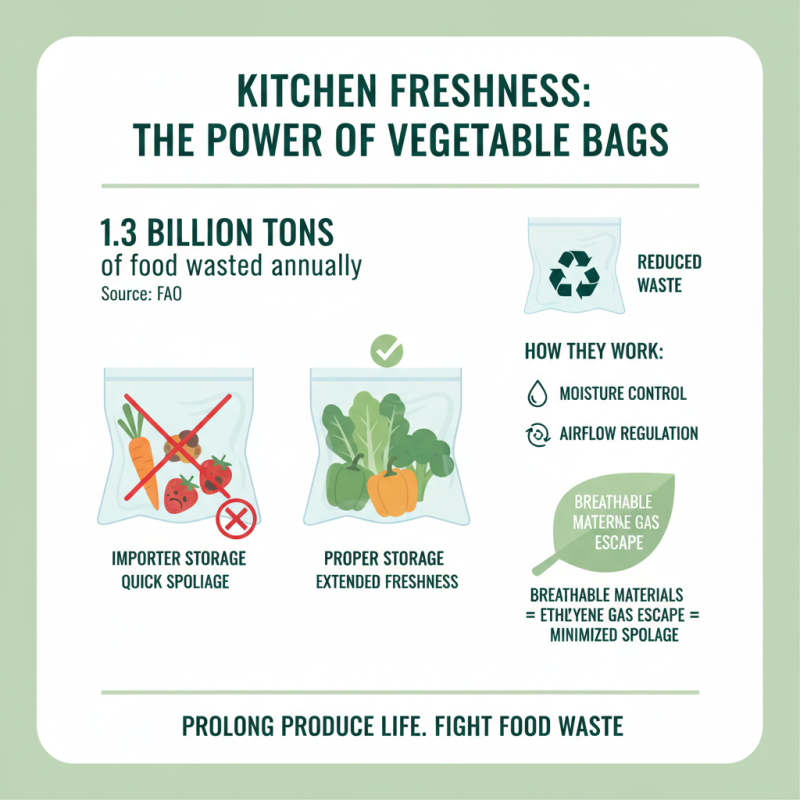
Vegetable bags serve a critical role in maintaining kitchen freshness. According to a report by the Food and Agriculture Organization, nearly 1.3 billion tons of food is wasted each year, much of it due to improper storage. The right vegetable bags can help reduce this waste by prolonging the life of your produce. A well-designed bag can create an optimal environment, controlling moisture and airflow. For instance, breathable materials allow ethylene gas to escape, minimizing spoilage.
In addition to preserving freshness, vegetable bags offer convenience. They often come with features like drawstrings and breathable mesh. This makes it easier to organize vegetables and keep them accessible. A survey by the USDA indicated that proper storage can keep vegetables fresh for up to 40% longer than inadequate methods. However, many people underestimate the importance of selecting the right storage solution. Not all bags provide the same benefits. Some materials may trap excess moisture, leading to faster decay.
As we focus on reducing food waste, it’s crucial to rethink our storage methods. Investing in quality vegetable bags can be a small but impactful change in daily life. It's worth examining your current practices to ensure that you are doing what's best for your produce. Small adjustments can lead to significant improvements in freshness and convenience.
Types of Vegetable Bags: Materials and Their Benefits
When it comes to storing vegetables, the type of bag you choose can significantly impact freshness. Several materials are popular for vegetable bags, each with its own unique benefits.
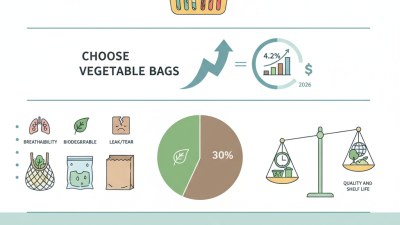
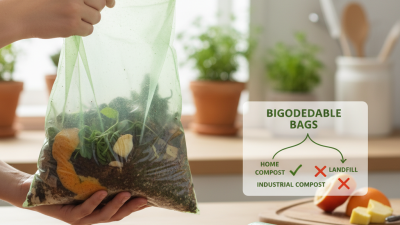
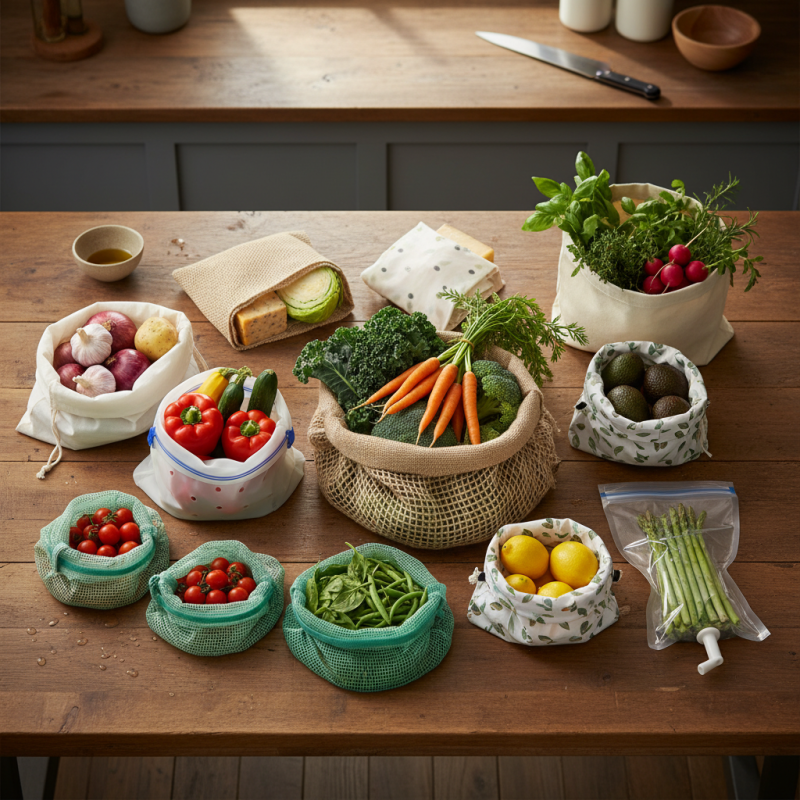
Cotton bags are breathable and eco-friendly. They keep moisture regulated, which helps prevent spoilage. However, they may require frequent washing. Mesh bags provide excellent ventilation, perfect for storing items like potatoes and onions. They allow for airflow but might not keep leafy greens as fresh. On the other hand, biodegradable plastic bags are a good option for convenience. They help retain moisture well but may not be as environmentally friendly in the long run.
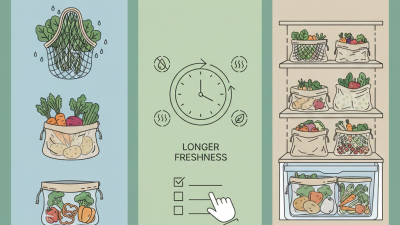
Tips for maintaining vegetable freshness include checking for any spoiled items before sealing the bag. Even a single rotten vegetable can affect the others. Consider labeling your bags with dates to track freshness better. Also, placing bags in the right spots in your fridge helps prolong life. Regularly reorganizing your bags can prevent overcrowding, ensuring air circulation. These small steps can enhance the benefits of your chosen vegetable bags.
10 Best Vegetable Bags for Freshness and Convenience in Your Kitchen
Key Features to Look for in Quality Vegetable Bags
Choosing the right vegetable bags can significantly enhance your kitchen experience. Quality vegetable bags should prioritize breathability. This feature allows moisture to escape while keeping vegetables fresh longer. Look for bags made from natural materials that are safe for food storage. Cotton and linen options are excellent choices. They provide a balance of durability and ventilation.
Another crucial element is size. Vegetable bags come in various dimensions to fit different vegetables. A larger bag may accommodate root vegetables like potatoes or carrots. Smaller bags are perfect for herbs or small greens. Having a variety of sizes on hand is essential for convenience. Check for reusable and washable bags, as they contribute to sustainability while maintaining freshness.
Consider the closure mechanism. A secure yet easy-to-open option can make a huge difference. Drawstring or Velcro closures can help keep air out while allowing for quick access. Reflect on how often you cook with fresh produce. Assess the practicality of each bag you choose. Experimenting with different styles will help you find what best meets your needs.
10 Best Vegetable Bags for Freshness and Convenience in Your Kitchen
| Bag Type |
Material |
Size (inches) |
Breathability |
Features |
Price ($) |
| Reusable Mesh Bags |
Polyester |
12 x 16 |
High |
Eco-friendly, machine washable |
15.99 |
| Produce Bags |
Cotton |
14 x 18 |
Medium |
Washable, lightweight |
12.50 |
| Plastic Vegetable Bags |
LDPE |
10 x 12 |
Low |
Disposable, cost-effective |
9.99 |
| Silicone Bags |
Silicone |
11 x 15 |
Very High |
Reusable, airtight seal |
19.99 |
| Jute Vegetable Bags |
Jute |
16 x 20 |
Medium |
Sustainable, biodegradable |
14.99 |
| Organic Cotton Bags |
Organic Cotton |
14 x 18 |
Medium |
Non-toxic, eco-friendly |
16.50 |
| Nylon Produce Bags |
Nylon |
12 x 15 |
High |
Durable, lightweight |
8.99 |
| Collapsible Shopping Bags |
Polyester |
12 x 14 |
Medium |
Easy storage, multi-use |
10.99 |
| Insulated Vegetable Bags |
Insulated Fabric |
15 x 15 |
Very High |
Temperature-retaining |
22.99 |
Top 10 Vegetable Bags for Optimal Freshness and Convenience
Keeping vegetables fresh is crucial for any kitchen. A good vegetable bag can extend the life of your greens. Look for reusable options that allow air circulation. These bags help prevent moisture buildup, which can lead to rot. Some bags are designed specifically for certain vegetables. For instance, breathable mesh bags work well for leafy greens.
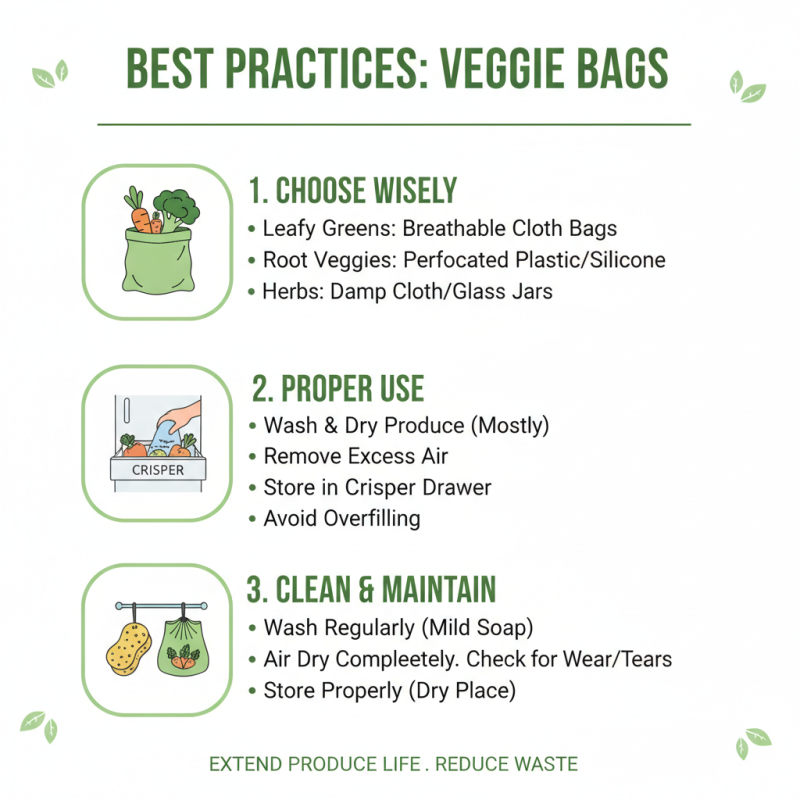
When storing your vegetables, remember these tips. Always wash and dry produce before storing. This simple step can reduce spoilage.
Tip: Separate ethylene-producing fruits from vegetables. Apples and bananas can hasten decay in nearby veggies. Additionally, consider labeling your bags. It helps to track freshness and prevents food waste.
One common mistake is overcrowding bags. Avoid cramming too many items. This practice limits airflow, leading to quicker spoilage. Instead, give your vegetables space to breathe. Regularly inspect your stored produce. Remove any spoiled items immediately to keep the rest fresh longer.