Leave Your Message

China Best Plastic Food Gloves for Safe Food Handling and Preparation?

In today's food industry, safety is paramount. Plastic Food Gloves play a critical role in ensuring hygiene during food preparation. These gloves offer a barrier between hands and food, reducing the risk of contamination. They are essential for chefs, caterers, and home cooks alike.

Choosing the right Plastic Food Gloves can be challenging. Many options exist, but not all meet safety standards. High-quality gloves should be durable yet flexible. It's important to consider their thickness and texture for better handling. While some gloves are disposable, others can be washed and reused. This choice affects not only convenience but also environmental impact.

Reflecting on our usage of Plastic Food Gloves is vital. Are we disposing of them responsibly? Do we choose the right size for comfort? Each decision contributes to food safety and our overall well-being. Proper use of Plastic Food Gloves can elevate our food handling practices.
China Best Plastic Food Gloves for Safe Food Handling and Preparation?

China's Plastic Food Gloves: An Overview of Safety Standards

China's plastic food gloves play a crucial role in ensuring safe food handling and preparation. Various safety standards govern their production and usage, reflecting a growing awareness of health risks. According to industry reports, the food industry sees an increase in the adoption of these gloves, with pivotal support from local safety regulations. In 2022, nearly 70% of food service establishments in China reported using plastic gloves to enhance food safety.

The backbone of these safety standards centers on material composition and testing. For example, the China National Standards (GB) set benchmarks for food-grade plastic. Compliance ensures that gloves are safe for direct contact with food. They must be free from harmful chemicals, such as phthalates or heavy metals, which can pose health risks. A 2021 study indicated that improper glove usage leads to cross-contamination, urging more training in correct glove practices.

Tips for safe usage: always check the quality of gloves before use. They should be tear-resistant and fit snugly. Avoid handling raw and cooked foods with the same gloves to maintain hygiene. Regularly change gloves, especially during food preparation tasks. Awareness is key to preventing foodborne illnesses, making these tips essential for safety and compliance in food environments.

China Best Plastic Food Gloves for Safe Food Handling and Preparation

Material Thickness (micron) Chemical Resistance Food Contact Certification Recyclability Price per 100 gloves (USD)
Polyethylene 12-20 Low FDA Approved Yes 5.00
Vinyl 20-30 Moderate FDA and CE No 7.50
Nitrile 30-40 High FDA Approved Yes 10.00
Latex 15-25 Moderate FDA Approved No 8.50

The Importance of Food Grade Materials in Plastic Gloves

China Best Plastic Food Gloves for Safe Food Handling and Preparation?

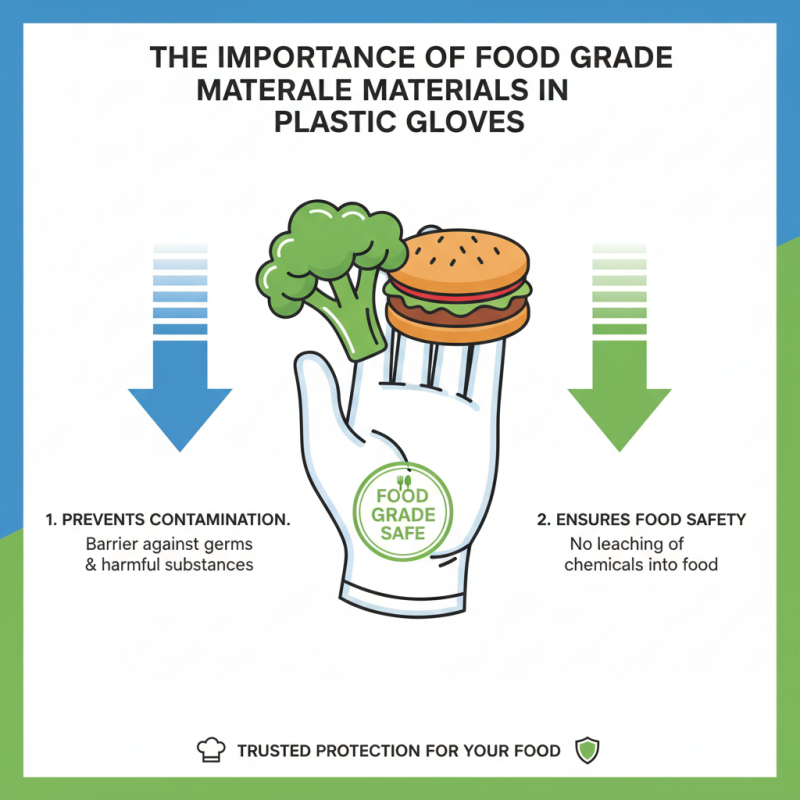
When it comes to food handling, safety is a paramount concern. Plastic gloves play a vital role in ensuring that our food remains uncontaminated. One key aspect of these gloves is the materials used in their production. Food-grade materials ensure that the gloves are safe for handling food items. This minimizes the risk of harmful substances leaching into food.

Choosing the right gloves is crucial. Look for gloves certified as food-grade. This indicates that they've been tested for safety during food contact. Avoid gloves made from recycled plastics or those without clear labeling. While they may appear the same, they could pose health risks. Simple adjustments like selecting gloves made from polyethylene or nitrile can enhance safety.

Tips for using plastic gloves effectively include changing them frequently. This prevents cross-contamination. Don't forget to wash your hands before and after using gloves. Even with gloves, hand hygiene remains critical. Being aware of these details can significantly improve food safety practices in any kitchen.

Comparative Analysis of Plastic Gloves Used in Food Handling

When it comes to safe food handling, plastic food gloves play a vital role. Various types of plastic gloves are on the market, each designed for specific tasks in food preparation. Understanding their differences can enhance food safety and hygiene.

One common type is polyethylene gloves, known for their lightweight and cost-effectiveness. They are ideal for quick tasks. However, they lack durability and may tear easily. PVC gloves offer more sturdiness but can be less breathable and comfortable during extended use. Consider using nitrile gloves for tasks requiring longer wear. They provide better puncture resistance and fit snugly to enhance dexterity.

Tips: Always check for punctures before use. Dispose of gloves properly to avoid cross-contamination. Use a clean pair for raw food and another for cooked items. Being mindful of these aspects can significantly reduce the risk of foodborne illness.

Striking a balance between comfort and safety is essential. One must evaluate the risks of each type of glove based on the food handling task. Many people find that the best glove is the one that fits well and provides the necessary protection.

Market Trends and Demand for Food Safety Gloves in China

China Best Plastic Food Gloves for Safe Food Handling and Preparation?

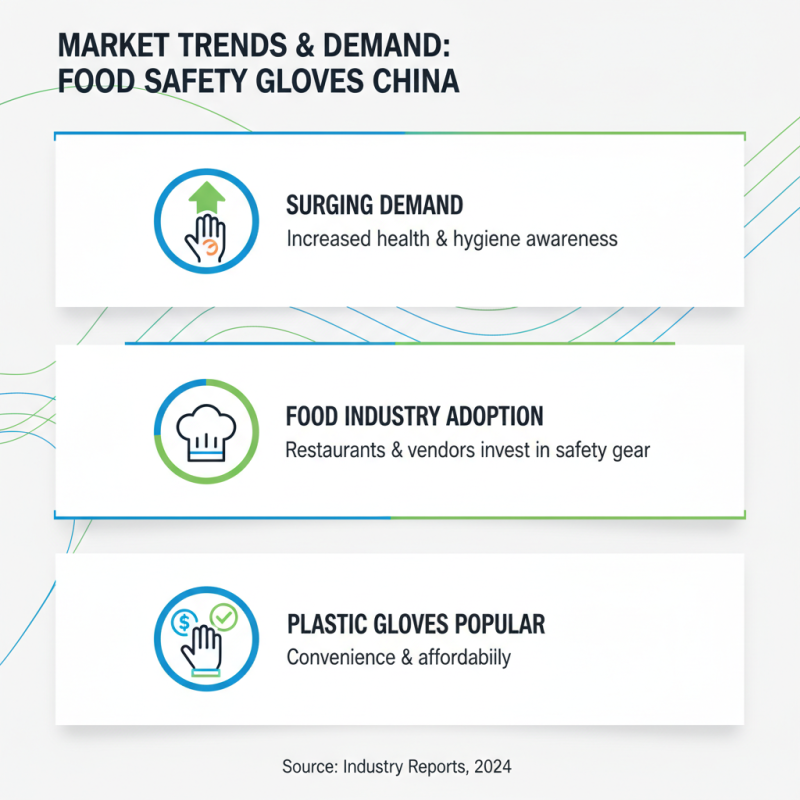
The demand for food safety gloves in China has surged in recent years. This trend reflects a growing awareness of health and hygiene among consumers. More restaurants and food vendors are investing in proper safety gear. Plastic food gloves are particularly popular for their convenience and affordability.

Recent data indicates that food safety gloves are now essential in both commercial kitchens and homes. Yet, many users often overlook the importance of proper glove disposal and hygiene. Some still reuse gloves, which can pose health risks. This reveals a gap in knowledge about food safety practices. Education on proper usage could improve overall food hygiene standards.

Moreover, the market faces challenges regarding quality and manufacturing standards. Not all plastic gloves are created equal. Ensuring availability of high-quality options is vital, especially in urban areas. Manufacturers must balance cost with regulatory compliance. This situation emphasizes the need for better guidelines and public awareness about safe food handling.

Environmental Impact of Plastic Gloves in the Food Industry

The use of plastic gloves in the food industry has raised significant environmental concerns. Many workers rely on these gloves for safe food handling. However, the production and disposal of plastic gloves contribute heavily to pollution. Many gloves are single-use, leading to vast amounts of waste in landfills.

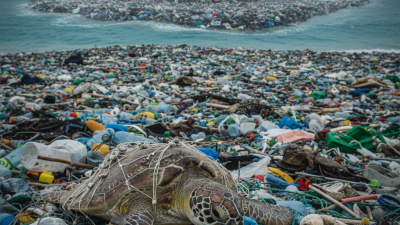
Plastic gloves often end up in oceans and natural habitats, harming wildlife. The issue lies in our dependence on convenience. While they are effective for hygiene, their environmental cost is steep. The production involves fossil fuels, and the low biodegradability exacerbates the problem. We must question our choices and seek alternative solutions.

Awareness is rising about the ecological impact of plastic materials. Restaurants and food handlers should consider sustainable options. Compostable or reusable gloves are worth exploring. Nonetheless, these alternatives may not perform as well, and they might come with their own challenges. Balancing hygiene and environmental responsibility requires careful thought and commitment.

Environmental Impact of Plastic Food Gloves in the Food Industry