How to Choose the Best T-shirt Garbage Bags for Your Needs?
Choosing the right T-shirt Garbage Bags can significantly impact your waste management experience. With numerous options available, making the right choice is crucial. Having the right bags can save time, money, and reduce environmental impact.
When evaluating T-shirt Garbage Bags, consider their materials, sizes, and strength. Some bags may look sturdy but fail under heavy loads. Pay attention to the thickness and durability. A proper bag should hold up without tearing easily.
It's essential to think about your specific needs. Are you using them for home waste, outdoor events, or recycling? Each scenario may require a different type of T-shirt Garbage Bag. Reflect on how often you need to replace them and whether you can recycle them after use. Overall, selecting the best T-shirt Garbage Bags involves careful consideration of various factors.
Understanding Your Waste Management Needs
Understanding your waste management needs is crucial for effective and eco-friendly disposal. It begins with knowing the types of waste you generate. For instance, organic waste from food, plastics from packaging, and recyclables can all fill different bags. Do you have a lot of paper waste? You might need special bags for that.
Consider the volume of waste in your home. A small household may require fewer bags, while larger families generate more. Think about your lifestyle too. Do you host events frequently? If yes, then selecting larger or more durable bags could be beneficial.
Evaluate the disposal methods available in your area. Some regions have specific guidelines for waste separation. Understanding these can help you choose the right bags. Maybe you need compostable options. Or perhaps you focus on reducing plastic overall. Each choice reflects your commitment to responsible waste management. It’s not always straightforward, but being intentional about your choices makes a difference.
How to Choose the Best T-shirt Garbage Bags for Your Needs? - Understanding Your Waste Management Needs
| Bag Size |
Material |
Capacity |
Usage Type |
Eco-friendly Option |
| 13 Gallon |
HDPE |
50 Liters |
Kitchen Waste |
Yes |
| 30 Gallon |
LDPE |
113 Liters |
Outdoor Trash |
No |
| 65 Gallon |
Recycled Material |
246 Liters |
Construction & Demolition |
Yes |
| 10 Gallon |
Biodegradable |
38 Liters |
Composting |
Yes |
| 33 Gallon |
Linear Low-Density Polyethylene |
125 Liters |
Heavy-Duty Trash |
No |
Types of T-shirt Garbage Bags Available on the Market
When choosing T-shirt garbage bags, it's essential to understand the types available. Options include standard plastic bags, biodegradable bags, and reusable cloth bags. Each type has its pros and cons, depending on your needs.
Standard plastic bags are common and cost-effective. They are strong and can hold a decent amount of waste. However, they are not environmentally friendly. Many people overlook the long-term impact of plastic waste. Biodegradable bags are a better alternative. They break down over time, reducing harm to the planet. Still, users must ensure they are disposed of correctly to maximize their benefits.
Reusable cloth bags represent another option. They are durable and eco-conscious, reducing plastic use. Yet, they require regular washing to maintain hygiene. Some might find this inconvenient. It’s crucial to balance convenience and sustainability in your choice. Each type of bag serves a purpose, but identifying which aligns with your lifestyle can take time and thought.
Types of T-shirt Garbage Bags Available on the Market
Key Features to Consider When Selecting T-shirt Garbage Bags
When selecting T-shirt garbage bags, consider the bag's material. Stronger materials prevent tears. Thin bags might not hold heavy waste. Assess the thickness of the plastic. Generally, thicker bags can handle bulkier items. However, this might lead to higher waste costs.
Size is crucial. Small bags aren’t suitable for larger trash or hefty objects. Larger bags can be wasteful for small jobs. Think about your typical waste volume. You might need a mix of sizes. Additionally, ensure the bags can fit in your bins.
Lastly, evaluate the bag's design. Some bags come with drawstrings for easy closure. Others might have tie handles for secure knots. While convenience is key, remember that not every design fits all needs. Consider your usage environment. Reflect on your waste habits. A thoughtful choice saves time and reduces frustration.
Environmental Impact of T-shirt Garbage Bags
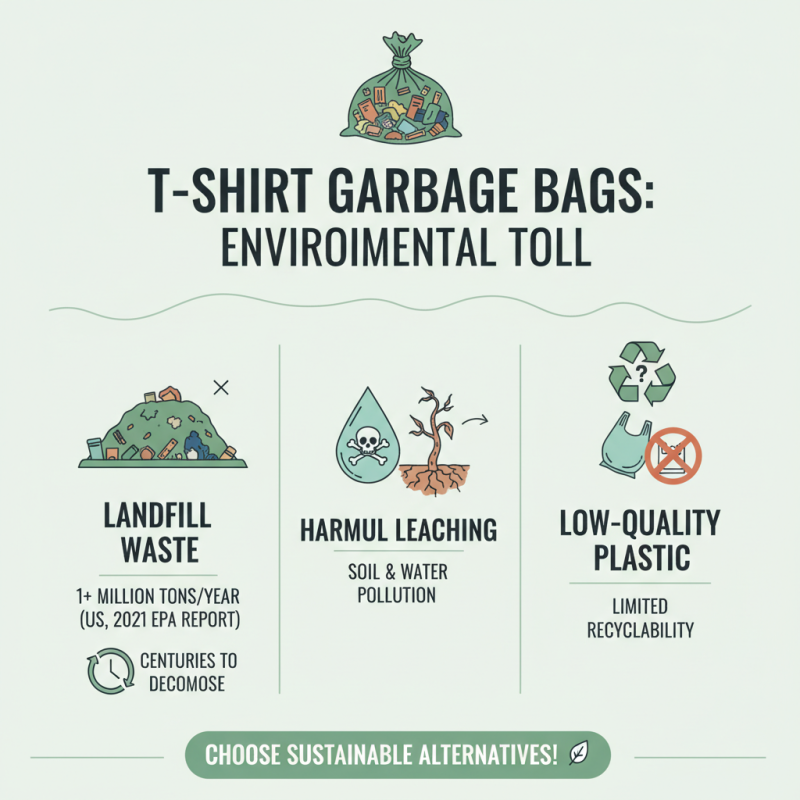
The environmental impact of T-shirt garbage bags cannot be overlooked. These bags, often made from low-quality plastics, contribute significantly to landfill waste. According to a 2021 report by the Environmental Protection Agency, plastic bag waste accounted for over 1 million tons in the U.S. alone. Most of these bags take centuries to decompose, leaching harmful substances into the soil and waterways.
The production of T-shirt bags adds to this issue. A study by the World Economic Forum states that plastic production will increase by 50% in the next decade. This growing demand exacerbates environmental strains and fossil fuel depletion. Recycling rates are a concern too, with the National Recycling Coalition estimating only 10% of plastic bags are recycled properly.
Tips: Opt for biodegradable options when possible. Look for bags that decompose in a shorter time frame. Consider reusable alternatives that can minimize waste.
Awareness of alternatives is crucial. Some communities have implemented bag restrictions, but many still rely on single-use bags. There's a gap in consumer understanding about plastic’s long-term effects on ecosystems. Sustainable choices can drastically impact our future, reducing the burden on landfills. Making conscious decisions can lead to a cleaner environment for all.
Tips for Proper Usage and Disposal of T-shirt Garbage Bags
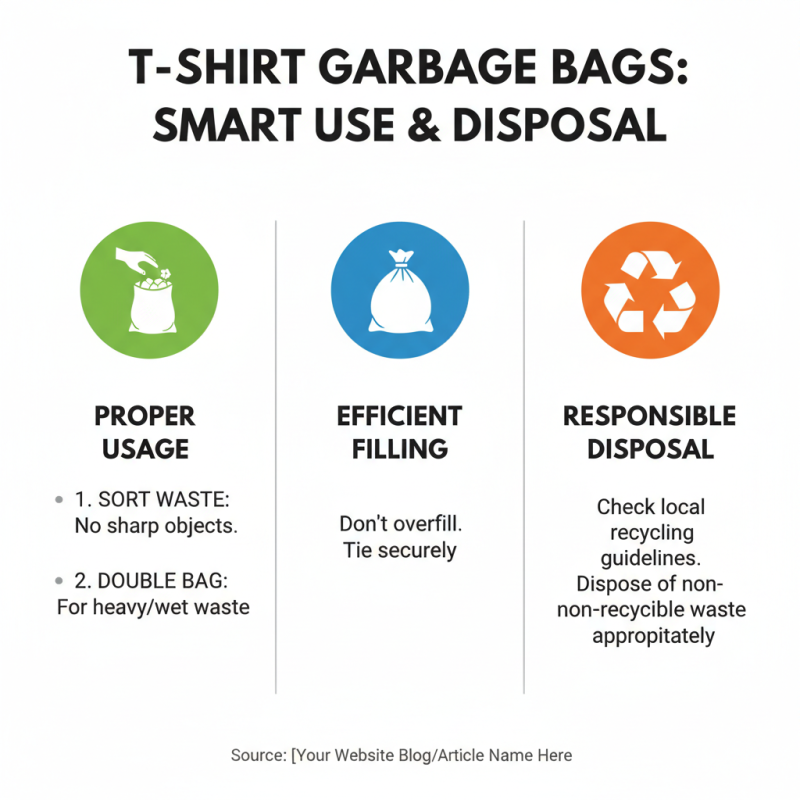
When using T-shirt garbage bags, proper usage is crucial for effective waste management. Always ensure they're suitable for the type of waste you plan to collect. For instance, avoid putting sharp objects inside, as they can puncture the bags. Consider using two bags if you're dealing with heavy or wet waste. This extra layer can prevent spills and keep your surroundings clean.
Disposal is another vital aspect. Check local regulations for guidelines on garbage bag disposal. If you can't recycle or compost what’s inside, make sure your T-shirt bags are securely tied before placing them in bins. A poorly tied bag can lead to messy situations. One thing to ponder is how often we fill these bags. Are we really using them efficiently? Strive to reduce waste first, and then rely on bags to contain what remains. It’s a simple, yet effective way to reflect on our consumption habits and their impact on the environment.