2026 How to Choose the Best Vegetable Bags for Fresh Produce?
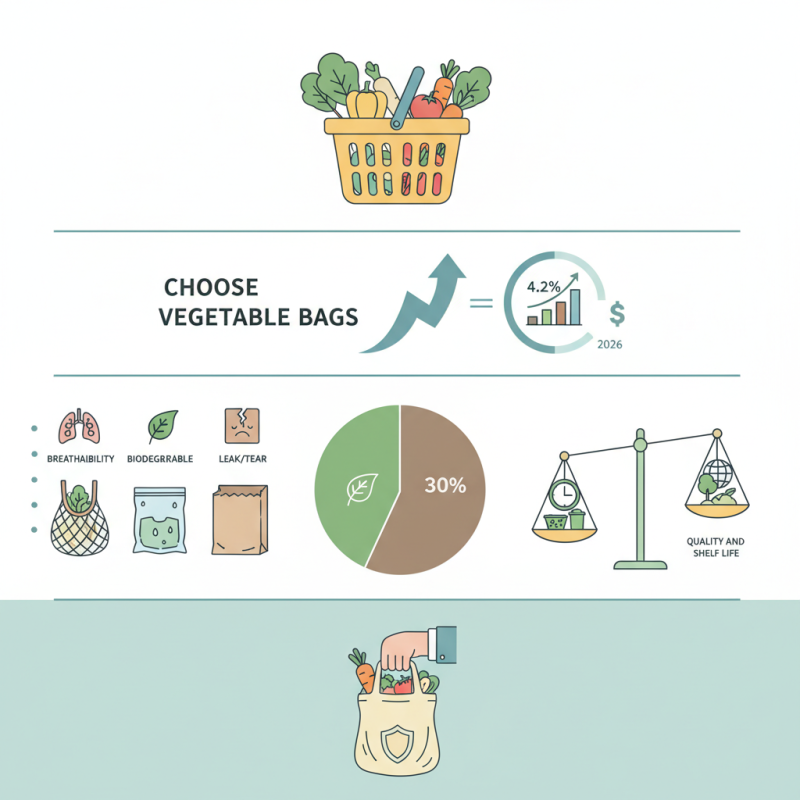
Choosing the best vegetable bags for fresh produce is essential. The market for fresh produce packaging is expected to grow by 4.2% annually, reaching $20 billion by 2026. Consumers increasingly demand sustainable options. Therefore, selecting the right vegetable bags can impact quality and shelf life.
These bags must be breathable to prevent moisture buildup. Materials like biodegradable plastics are popular. However, many bags still do not meet sustainability standards. A recent report showed that 30% of vegetable bags on the market are not eco-friendly. This raises concerns about waste and environmental impact.
Shoppers often overlook important factors. The size of vegetable bags can affect storage and usability. Many bags leak or tear easily, leading to food waste. Manufacturers need to address these issues to improve consumer trust in their products. Ultimately, understanding the balance between functionality and sustainability is crucial. Selecting high-quality vegetable bags is not just a choice but a responsibility.
Understanding the Importance of Vegetable Bags for Fresh Produce
When selecting vegetable bags for fresh produce, it's essential to recognize their importance. These bags help maintain the quality of vegetables by protecting them from bruising. Properly designed bags offer ventilation, which prevents moisture buildup. Too much moisture can lead to spoilage. Fresh vegetables need the right environment to stay crisp and vibrant.
Choosing the right bag can be challenging. Many people overlook the material. Some bags may not allow air circulation, resulting in wilting. Transparency is another factor. A clear bag lets you see the contents easily, avoiding unpleasant surprises. It’s easy to think a bag is just a bag, but this is a misconception.
Consider the size too. A bag that’s too small can crush vegetables. On the other hand, a bag that’s too large may lead to wasted space. We often forget about reusability. Single-use bags add to waste. Reflecting on these choices can lead to better decisions. Understanding these factors ensures your fresh produce stays healthy and ready to enjoy.
Factors to Consider When Choosing Vegetable Bags for Fresh Produce
When choosing vegetable bags for fresh produce, consider several key factors. The material is crucial. Common options include plastic and cloth. Each has its pros and cons. Plastic bags are lightweight and waterproof, while cloth bags are reusable and eco-friendly.
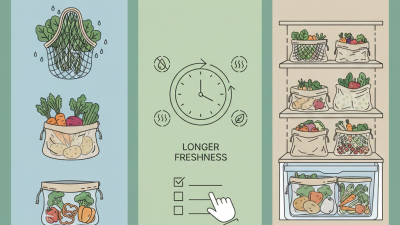
It's essential to assess the breathability of the bags. Proper airflow keeps produce fresh longer. Research suggests that breathable bags can reduce spoilage by up to 30%. Colors matter too. Dark bags can trap heat, causing vegetables to wilt.
Tip: Opt for bags with ventilation holes. They allow airflow and minimize moisture buildup.
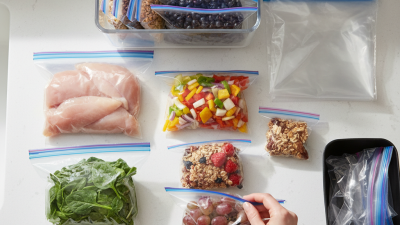
The size is another important consideration. Bags should fit your produce snugly without crushing it. For instance, onions may need more space than leafy greens. Finally, check for durability. A flimsy bag might tear and lead to waste.
Tip: Test the bag's strength by filling it with fresh produce before deciding. This helps ensure you avoid potential tears or spills.
Types of Vegetable Bags: Materials and Their Benefits
When it comes to choosing vegetable bags for fresh produce, the material matters significantly. Reusable cloth bags are a popular choice. They are breathable, allowing moisture to escape. This prevents wilting and keeps vegetables crisp. Many people appreciate their durability and eco-friendliness. However, they need regular washing, which can be overlooked.
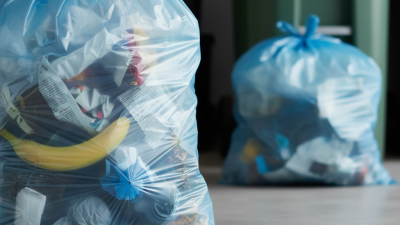
Plastic bags are lightweight and convenient. They can keep vegetables safe during transport. Many find them useful for short trips. Yet, their environmental impact is concerning. It can feel disheartening to use them, contributing to plastic waste. Biodegradable bags might serve as a bridge. They decompose over time, aiding sustainability.
Each type of bag has strengths and weaknesses. A mix of materials may offer the best solution. Sometimes, personal preference plays a role. It can be easy to get lost in options. Reflecting on priorities, like environmental impact versus convenience, is essential. Making choices that align with values helps foster mindful shopping.
Types of Vegetable Bags and Their Benefits
Size and Capacity: Selecting the Right Fit for Your Produce
When choosing vegetable bags for fresh produce, size and capacity are crucial. The right fit can keep your vegetables fresh for longer. Research shows that most consumers overlook this aspect. A bag too small may crush produce. One that’s too large can let air in, promoting spoilage. According to industry reports, properly sized bags can extend produce life by 30%.
Consider the types of vegetables you'll store. Leafy greens need more space than root vegetables. Bags with breathable materials help maintain moisture. They should allow air circulation while keeping produce fresh. Data indicates that 70% of consumers report wasted food due to inadequate storage.
Tips: Measure your produce before shopping. This will help you select the perfect bag size. Also, think about how you'll stack your bags. Overpacking can lead to bruising and quicker decay. Consider bags with visible capacity markings. They can help ensure you don’t overload them.
Choosing the right size isn’t just about convenience. It's a consideration that affects the freshness of your produce. Many consumers fail to realize the impact of size on food waste. Being mindful of the bag you choose can make a real difference.
Eco-Friendly Options: Sustainable Vegetable Bag Choices
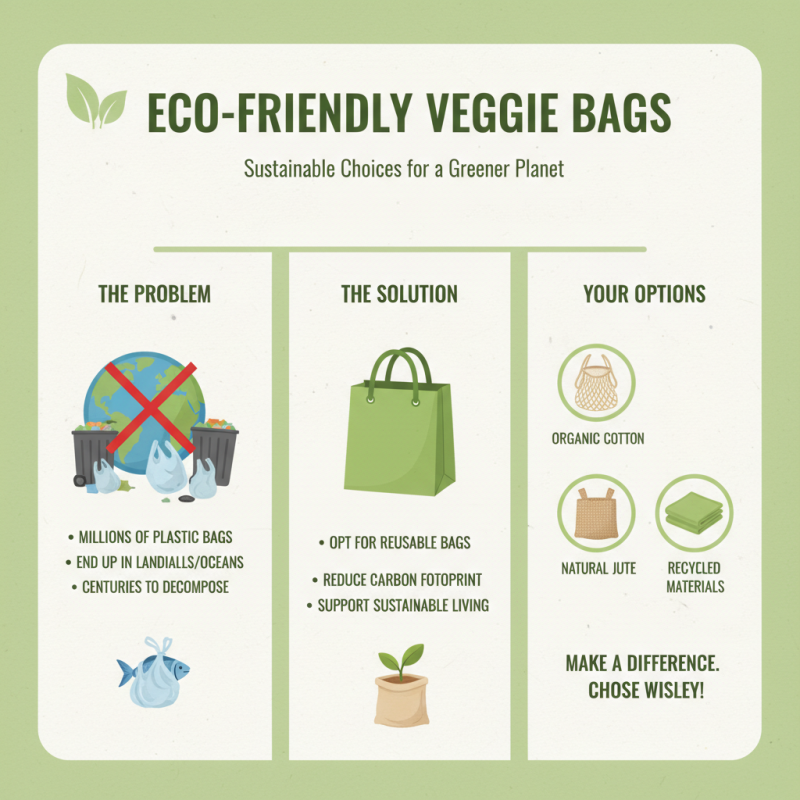
Choosing eco-friendly vegetable bags is essential for sustainable living. Many people overlook the impact of plastic bags on the environment. Each year, millions of plastic bags end up in landfills and oceans. These materials take centuries to decompose. By opting for sustainable options, we can reduce our carbon footprint.
Natural fiber bags, like cotton or jute, offer a great alternative. They are durable and reusable. You can wash them easily, which extends their life. Some biodegradable options are available too. These bags will break down naturally over time. However, not all biodegradable materials decompose quickly. This is a point to consider when making your choice.
Another consideration is the bag's size and design. A bag should be big enough for various produce types yet not cumbersome. Test different styles to find one that fits your lifestyle. Remember, a bag that doesn't meet your needs may end up unused. This thought should weigh heavily on your decision-making process. After all, small choices lead to larger impacts over time.