How to Choose the Right Garbage Bags for Your Needs?
Choosing the right garbage bags is essential for effective waste management. According to a recent industry report, Americans use about 100 billion plastic bags each year. Yet, many consumers overlook the importance of selecting suitable bags garbage. The wrong choice can lead to leaks, odors, and frustration.
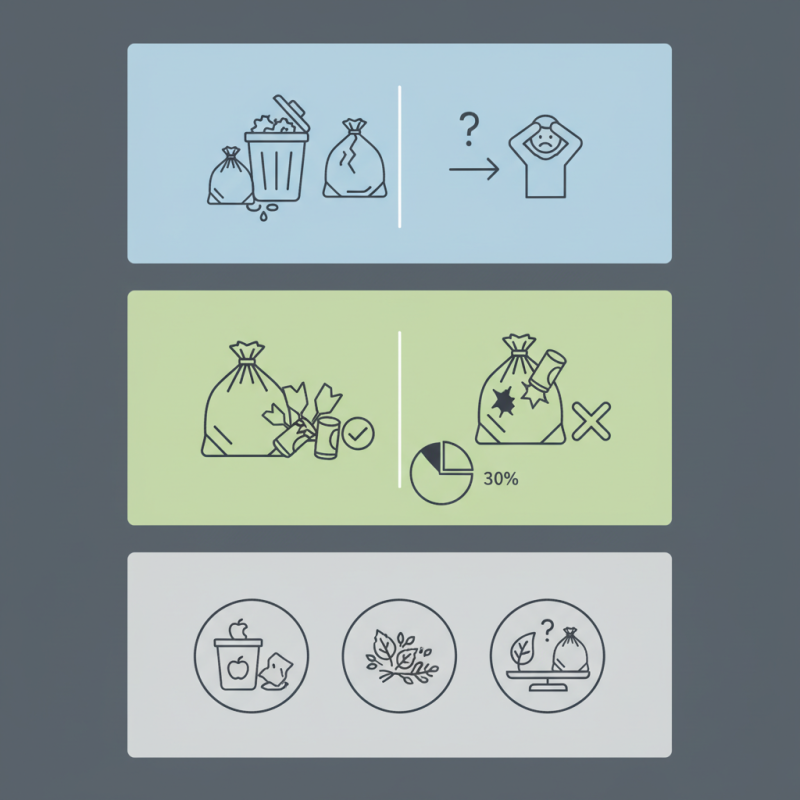
Different types of garbage bags exist. However, not everyone understands the distinctions. For instance, heavy-duty bags handle sharp objects better than standard ones. Choosing the wrong type can result in messes. Research shows that nearly 30% of users experience bag failures due to improper selection. This statistic highlights the need for informed choices.
Consider the intended use when selecting bags garbage. Whether for kitchen waste or yard debris, each type serves a purpose. Consumers often face a dilemma: how to balance durability with eco-friendliness. Many struggle with finding biodegradable options that also meet their needs. The choice of garbage bags impacts not only waste management but also the environment. Reflecting on these factors can lead to better decisions.
Understanding Different Types of Garbage Bags Available in the Market
When choosing garbage bags, understanding the types available is crucial. Common options include plastic, biodegradable, and heavy-duty bags. Plastic bags are widely used. They are affordable and readily available. However, they are not eco-friendly. Biodegradable bags offer a better alternative. They decompose more quickly, reducing landfill waste. A 2022 report by the Environmental Protection Agency noted that around 27 million tons of plastic waste still end up in landfills each year.
Heavy-duty bags are designed for challenging tasks. They can hold more weight and resist tearing. In fact, a study by the Waste Management Research Institute found that heavy-duty bags can withstand up to 30% more weight than standard ones. This makes them ideal for construction debris or yard waste. Nevertheless, they may be overkill for regular household trash.
It's important to evaluate your needs. Not all garbage bags fit every situation. If you misjudge requirements, you may end up with bags that are too weak or too strong. Buying in bulk might save money but can lead to waste if they aren’t used efficiently. Assessing the specifics of your waste stream can lead to better choices.
Types of Garbage Bags and Their Uses
Assessing Your Garbage Disposal Needs Based on Household Size and Waste Type
When choosing garbage bags, consider your household size. A small apartment with one or two people generates less waste than a family of four. Larger households often need bigger bags and higher durability. If you have pets, the volume of waste increases. Opt for bags that can handle high levels of waste.
Additionally, the type of waste matters. If you mostly discard food scraps, invest in compostable bags. For recyclable materials, consider bags that are easy to separate. Not every bag fits every need. It’s important to reflect on how much waste you generate weekly. Sometimes, we buy bags that are too big or too flimsy for the job.
Misjudging waste types can lead to issues. Using thin bags for heavy materials might result in tears. Similarly, using small bags for oversized items can create a mess. Take an inventory of your household waste. Understanding your habits will help in making the right choice. After all, managing waste effectively starts with the right bag.
Evaluating Material Quality: Plastic vs. Biodegradable Garbage Bags
When evaluating garbage bags, the material is crucial.
Plastic and biodegradable options each have their pros and cons.
Plastic bags are durable and can hold heavy waste.
However, they contribute to long-term environmental issues. They take hundreds of years to break down.
For those conscious of waste, that’s a significant drawback.
On the other hand, biodegradable bags offer a more eco-friendly alternative.
They break down faster than traditional plastic. Yet, the effectiveness of biodegradability can depend on the conditions they’re subjected to.
Improper disposal might render these bags ineffective in breaking down. Some biodegradable options may still contain plastic components,
which complicates their environmental impact.
Choosing the right garbage bag involves careful consideration of your needs.
Think about the type of waste you generate. If you tend to have heavy or sharp objects, quality plastic might be better.
But for food waste or yard clippings, biodegradable should be prioritized.
It's not an easy choice, and sometimes compromises are necessary. Reflect on your lifestyle and make a decision that feels right for you.
Choosing the Right Size and Strength for Specific Garbage Disposal Tasks
Choosing the right garbage bags can seem simple. Yet, it’s crucial to match size and strength to your waste. A standard kitchen bag might fit your trash bin, but what about yard waste or heavy items? Understanding your needs can save you time and money.
For lighter household waste, a thinner bag is often sufficient. These bags can handle basic trash. However, they might tear when you toss in sharp objects or heavy food remnants. Always check the bag's ratings. If you've had leaks in the past, it might be time to reconsider your choice.
When dealing with heavier materials, like cans or boxes, strengthen is key. Opt for thicker bags that won’t rip easily. A good fitting bag can hold the weight without breaking. Be mindful of the size; a bag that overflows will create issues. Measure your containers first. Mistakes in size lead to frustration, and nobody wants to deal with a mess.
How to Choose the Right Garbage Bags for Your Needs?
| Garbage Type |
Recommended Size |
Strength Rating |
Use Case |
| Kitchen Waste |
13 Gallons |
Heavy-Duty |
Food Scraps, Residual Waste |
| Recyclables |
30 Gallons |
Medium-Duty |
Plastic, Cardboard |
| Yard Waste |
39 Gallons |
Heavy-Duty |
Leaves, Grass Clippings |
| Construction Debris |
50 Gallons |
Extra Heavy-Duty |
Wood, Drywall |
| Pet Waste |
8 Gallons |
Medium-Duty |
Dog or Cat Waste |
Considering Environmental Impact: Selecting Eco-Friendly Garbage Bag Options
When considering garbage bags, the environmental impact cannot be ignored. Traditional plastic bags take hundreds of years to decompose. They contribute significantly to landfill waste. Choosing eco-friendly options can make a difference. Look for bags made from biodegradable materials. These bags break down more quickly, reducing long-term waste.
Recycled paper bags are also worth considering. They can hold waste just as effectively. Yet, they often lack durability, especially for wet waste. It's important to weigh durability against environmental benefits. Sometimes, the choices are not clear-cut. Compostable bags blend well with organic waste, but they require proper composting conditions to break down.
Reflecting on personal habits is crucial. Do we generate excess waste that could be reduced? Every small change matters. We can make more conscious choices. Beyond just bags, think of how to minimize waste overall. It’s a journey, not a destination.