How to Choose the Right Vegetable Bags for Fresh Produce?
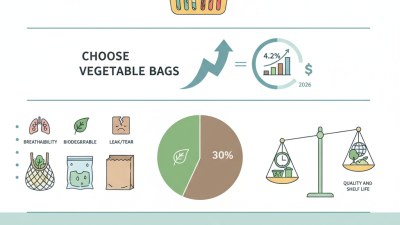
Choosing the right Vegetable Bags is crucial for maintaining the freshness of produce. A recent report from the Food Packaging Association highlights that improper packaging can lead to a spoilage rate of over 30% for fresh vegetables. These bags protect produce from moisture loss and external contaminants, significantly extending shelf life.
Many consumers overlook factors like material and size when selecting Vegetable Bags. Research shows that breathable and biodegradable options can reduce waste and enhance freshness. Not all bags serve the same purpose; some may not be suited for high-humidity environments. The wrong choice can lead to waste, affecting both the environment and your wallet.
Understanding the nuances of Vegetable Bags is vital for sustainability and quality. The rise in demand for eco-friendly products reflects a shift in consumer behavior. It’s essential to balance functionality, material, and environmental impact when making a decision. With countless options available, reflecting on specific needs and usage can lead to better choices.
Understanding Different Types of Vegetable Bags Available in the Market
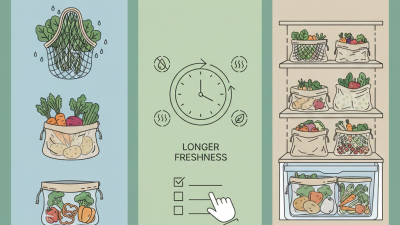
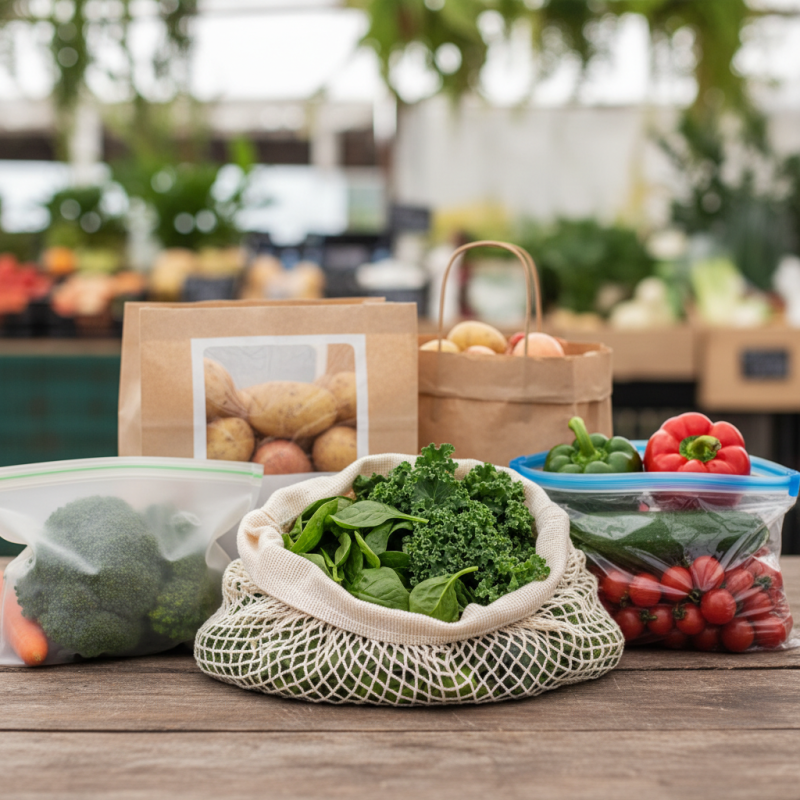
When choosing vegetable bags for fresh produce, understanding the options is crucial. Different materials cater to distinct needs. For instance,
mesh bags are breathable, promoting airflow. They help extend the life of vegetables. However, they might not protect delicate produce well.
Another popular choice is plastic bags. They are versatile and often sealable. These bags can keep moisture in, which is beneficial for certain items. Yet, too much moisture can lead to spoilage. Sustainable options like compostable bags gain traction as eco-conscious consumers seek greener solutions. Still, their durability compared to plastic remains a debate.
Choosing the right bag isn't always straightforward. Consider the type of produce you'll store. Leafy greens may fare better in breathable mesh, while root vegetables could thrive in plastic bags. Remember to assess how much you buy regularly. Some bags might cater to bulk purchases but aren't as effective for small quantities. Reflecting on personal habits can guide your choices.
Assessing Material Durability and Safety for Fresh Produce Storage
When choosing vegetable bags for fresh produce, durability and safety are crucial. The material of the bags directly impacts the freshness and safety of your vegetables. Bags made from breathable materials, like organic cotton, help regulate moisture. This avoids dampness, which can lead to mold growth. Plastic bags may trap moisture, causing a different set of problems. Yet they are lightweight and widely used. Finding the balance can be tricky.
Safety is also a primary concern. Ensure that the materials are free from harmful chemicals. Look for bags labeled as BPA-free or food-safe. Some bags may not provide proper ventilation, leading to spoilage faster than expected. Consider this when making your choice. Using a durable bag means you’ll reduce waste, but consider how often you’ll need to replace them.
Reflecting on these aspects can help guide your decision. Think about where and how you store your produce. The right choice contributes to not only quality but overall health. Ultimately, take time to evaluate what works best for your specific needs.
Evaluating Size and Capacity: Choosing the Right Fit for Your Needs
When selecting vegetable bags for fresh produce, evaluating size and capacity is essential. The right bag should accommodate various types of vegetables, whether leafy greens, root vegetables, or delicate herbs. A bag too big can lead to damage, while one that’s too small may restrict airflow, causing spoilage.
Consider the volumes of produce you typically purchase. A smaller household may need compact bags, while a larger family could benefit from larger capacity bags. Always be mindful of the bag's dimensions in relation to your typical grocery haul. If you're uncertain, it’s wise to purchase a few different sizes to find what works best for you.
You may find that your needs change over time. Seasonal produce may require different sizes than what you currently have. Reflect on your buying habits and adjust accordingly. As you experiment with different options, keep track of which bags provide the best balance between size and protection for your fresh vegetables. Not every bag will perform optimally, so it’s a journey of discovery.
How to Choose the Right Vegetable Bags for Fresh Produce? - Evaluating Size and Capacity: Choosing the Right Fit for Your Needs
| Vegetable Bag Type |
Capacity (Liters) |
Dimensions (cm) |
Best Uses |
Material |
| Reusable Mesh Bags |
5 |
30 x 20 |
Fruits, Vegetables |
Polyester |
| Biodegradable Plastic Bags |
3 |
25 x 15 |
Root Vegetables |
PLA (Polylactic Acid) |
| Cotton Produce Bags |
7 |
35 x 25 |
Grains, Legumes |
Cotton |
| Jute Bags |
10 |
40 x 30 |
Large Produce, Bulk Items |
Jute |
| Plastic Grocery Bags |
4 |
30 x 20 |
General Grocery Use |
HDPE (High-Density Polyethylene) |
Exploring Eco-Friendly Options for Sustainable Vegetable Storage
Choosing the right vegetable bags for fresh produce is crucial for maintaining quality and freshness. With a growing focus on sustainability, eco-friendly options are more important than ever. Many consumers are seeking alternatives to plastic.
Biodegradable bags made from plant-based materials are gaining popularity. They break down naturally, reducing waste in landfills.
When selecting vegetable bags, consider materials that can breathe. Cotton and jute bags allow air circulation, preventing spoilage. This simple feature can make a big difference in keeping your fruits and vegetables crisp.
Tips: Always check if the material is safe for food storage. Some biodegradable bags may contain additives that are not eco-friendly. Furthermore, choose reusable bags to minimize waste. Regularly inspect your bags for wear and tear. A compromised bag can lead to contamination.
Mind your choices, as every small step contributes to a greener planet. The right bag can also reflect your values. Balancing functionality with sustainability is vital for any conscientious consumer.
Tips for Proper Maintenance and Care of Vegetable Bags
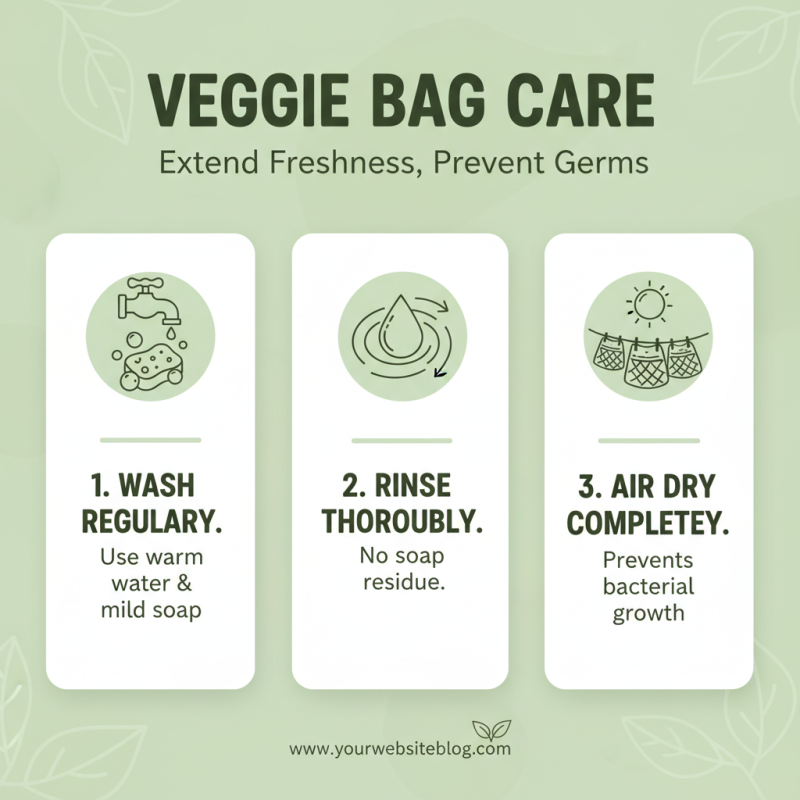
When it comes to maintaining your vegetable bags, proper care is essential. These bags are designed to keep your fresh produce vibrant and flavorful. To extend their lifespan, you should wash them regularly. Use warm water and mild soap. Rinse thoroughly to eliminate any soap residue. This helps prevent bacteria growth.
One key tip is to air dry the bags completely. Avoid leaving them in damp places. Storing them in a dry area can prevent mold and odors from developing over time. If you notice any tears, consider sewing them up. Small repairs can prolong the use of your bags, which saves both money and resources.
Another important aspect is how you use them. Don’t overstuff your bags. This can strain the fabric and lead to damage. Instead, distribute the weight evenly. Remember, handling your bags with care goes a long way towards maintaining their quality. Keeping them organized can also help you quickly find what you need. A little attention to detail makes a big difference.