How to Choose the Best Commode Liners for Your Needs?
Choosing the right commode liners can significantly impact hygiene and comfort for users. A recent industry report suggests that 70% of caregivers recognize the importance of proper sanitation in caregiving. Commode liners not only provide convenience but also promote a cleaner environment.
Commode liners come in various materials and designs. Some are disposable, while others are reusable. Understanding which type best suits your needs is crucial. Statistics show that over 65% of users prefer liners that offer leak-proof protection. However, many still find it challenging to evaluate their options.
Users often overlook the absorbency and size of the liners. A poor fit can lead to leaks, resulting in mess and discomfort. A simple yet effective choice can enhance user experience. It’s important to acknowledge that not all liners meet the same standards. Careful evaluation is essential for optimal health benefits and comfort.
Understanding the Importance of Commode Liners in Daily Usage
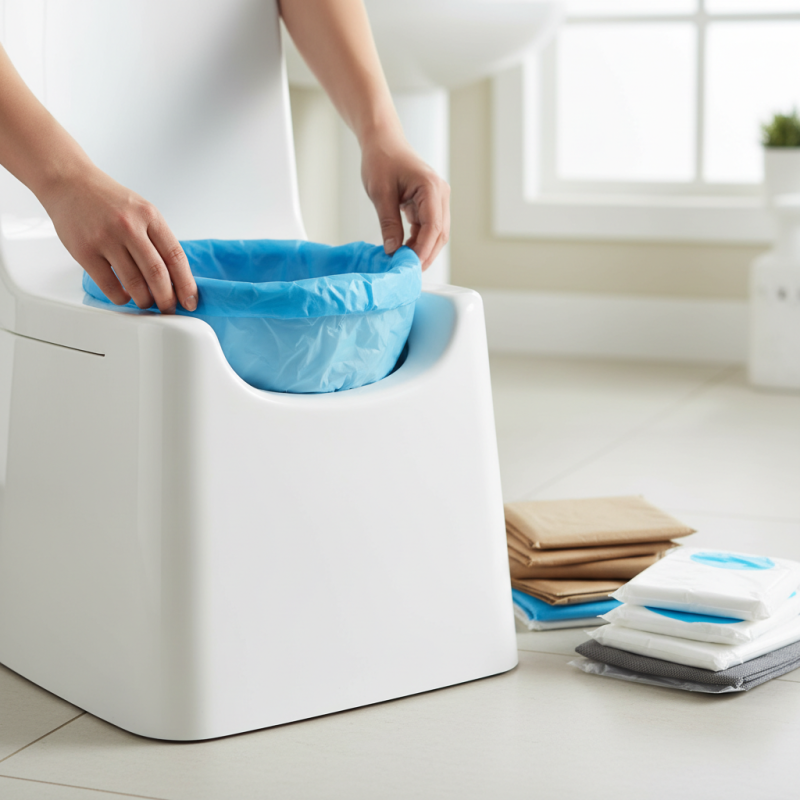
When choosing a commode liner, understanding its importance can significantly enhance daily usage. Commode liners provide a hygienic barrier between the user and waste. They simplify the cleaning process and reduce unpleasant odors. A good liner can make a challenging situation more manageable.
Consider the material when selecting a liner. Some liners are thicker, preventing leaks. Others are designed for easy disposal. It’s important to choose a liner that fits your commode size well. A poor fit may lead to spills. Test a few options to see which suits your needs best.
Tips: Always check for features like odor control. This can be a game changer for daily comfort. Make sure the liners are easy to install. An intuitive design saves time and hassle. Reflect on your personal preferences. Sometimes, what seems perfect might not work in practice. Remember, it’s about finding a balance that fits your lifestyle.
Evaluating Different Types of Commode Liners Available on the Market
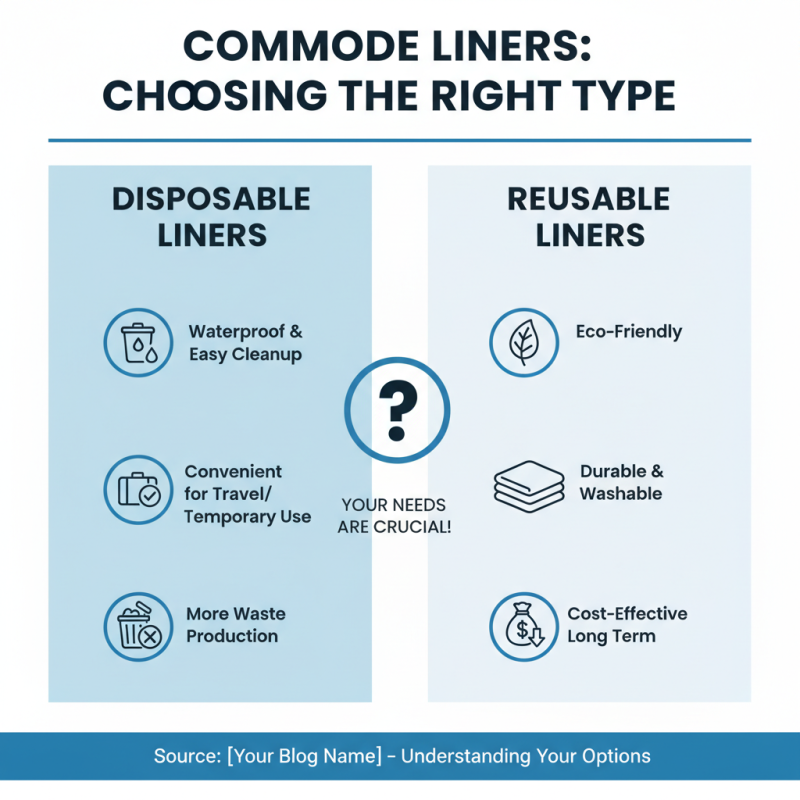
When evaluating commode liners, understanding your needs is crucial. Different types are available, including disposable and reusable options. Disposable liners often feature a waterproof design, making cleanup easier. They can be convenient for travel or temporary use. However, they may produce more waste compared to their reusable counterparts.
Reusable liners are typically made from durable materials. They can offer better value over time, as they withstand multiple washes. The texture may vary, too. Some are soft and comfortable, while others are more rigid. This choice affects user comfort and satisfaction. Think about how often you'll use the liner; heavy use may warrant a more robust option.
Don’t forget to check the size compatibility with your commode. Ill-fitting liners can lead to leaks and messes. It’s frustrating to deal with unexpected clean-ups. Also, take note of any additional features, like odor control. A little thought can greatly improve your experience, but it may take time to find the right one. Keep experimenting until you discover what truly works for you.
Assessing Material Quality and Absorbency of Commode Liners
Choosing the right commode liner involves understanding material quality and absorbency. High-quality liners are often made from durable plastic or heavy-duty materials. They should tear easily yet withstand regular use. Some products might be thinner and not as resilient, which can lead to leaks.
Absorbency is crucial for a satisfying experience. The right liners absorb fluids quickly. Look for those with multiple layers to enhance absorption. Some liners may feel absorbent yet fail during heavier use. It’s essential to test how they perform over time.
Consider your specific needs when evaluating liners. For example, if you require frequent changes, a thicker liner might be too cumbersome. On the other hand, if you're looking for convenience, a lighter option may suffice. Reflect on what has worked in the past and what hasn’t. Understanding these details will guide your choice.
How to Choose the Best Commode Liners for Your Needs?
| Material |
Absorbency Rating (ml) |
Durability (Days) |
Eco-Friendliness |
Price ($) |
| Polyethylene |
800 |
7 |
Low |
10 |
| Biodegradable |
600 |
5 |
High |
15 |
| Plastic |
500 |
4 |
Medium |
8 |
| Compostable |
700 |
6 |
Very High |
12 |
| Thickened Paper |
400 |
3 |
Low |
5 |
Considering Size and Fit for Your Specific Commode Design
Choosing the right commode liner is crucial for comfort and efficiency. When considering size and fit, it’s important to measure your commode accurately. Each model can vary, and a poor fit may lead to leaks or discomfort. Check your commode dimensions before purchasing liners. A liner that’s too small won’t provide adequate coverage. Conversely, an oversized liner may slip and create a mess.
Tips: Always have a few sizes on hand. This way, you can test different options. Don’t hesitate to adjust your choice if the first one isn't right. Sometimes, you might find a great-looking liner that just doesn’t work in practice. Watch for thickness; it can affect usability. Some liners feel flimsy, while others may be too rigid.
Additionally, consider the design of your commode. Not all liners suit every shape. Certain models with unique contours may require specific styles. A round seat vs. an elongated one needs tailored solutions. Pay close attention to the design. A mismatch can lead to frustration and waste. It’s often overlooked, but this detail matters significantly in your daily routine.
Budgeting: How to Choose Affordable Yet Effective Commode Liners
When selecting commode liners on a budget, affordability is key. A recent report from the National Hygiene Association indicates that lower-priced options can still offer effective odor control and leak protection. Knowing how to assess these factors is crucial. Look for liners that are thick enough to prevent tearing yet maintain flexibility for easy use.
Tip: Check reviews and ratings for user feedback. Sometimes, the cheapest option may not perform well. Seek balance between cost and quality. Many people underestimate how much a good liner can enhance the user experience.
Consider monitoring your consumption to find the right fit. You might think buying in bulk is more economical, but storage can be an issue. A study by the Home Health Care Association showed that using liners consistently reduces mess and cleanup time. Explore different materials. Some alternatives, while possibly pricier, can provide better leak prevention and odor absorption.
Tip: Sample a few options at a time. It can help avoid wasting money on unsuitable products. Remember, the best choice might not be the cheapest. Reflect on your needs. Find a liner that fits your lifestyle without breaking the bank.
Commode Liners: Price vs. Effectiveness