How to Choose the Best Food Wrap for Your Needs?
When navigating the diverse world of food wraps, making the right choice can be challenging. "Each wrap has its unique properties, and picking one can be confusing," says Sarah Thompson, a food storage expert. Her insights reflect the common struggle many face when selecting the best food wrap for their needs.
Food wraps come in various materials, from plastic to beeswax. Each type serves different purposes, but knowing which one to choose is crucial. For instance, while plastic wraps are great for covering dishes, beeswax wraps are eco-friendly and reusable. However, their effectiveness varies. Considering how you'll use the wrap is essential, yet not everyone realizes this.
Many consumers often overlook important factors like sustainability and functionality. A great wrap should not only preserve food but also align with personal values. Yet, it’s easy to get lost in marketing claims. Choosing the right food wrap requires careful thought and a clear understanding of what you need in your kitchen.
Understanding Different Types of Food Wrap Materials
When choosing food wrap, understanding the materials is essential. There are several types of food wrap available. Each material has unique properties and uses.
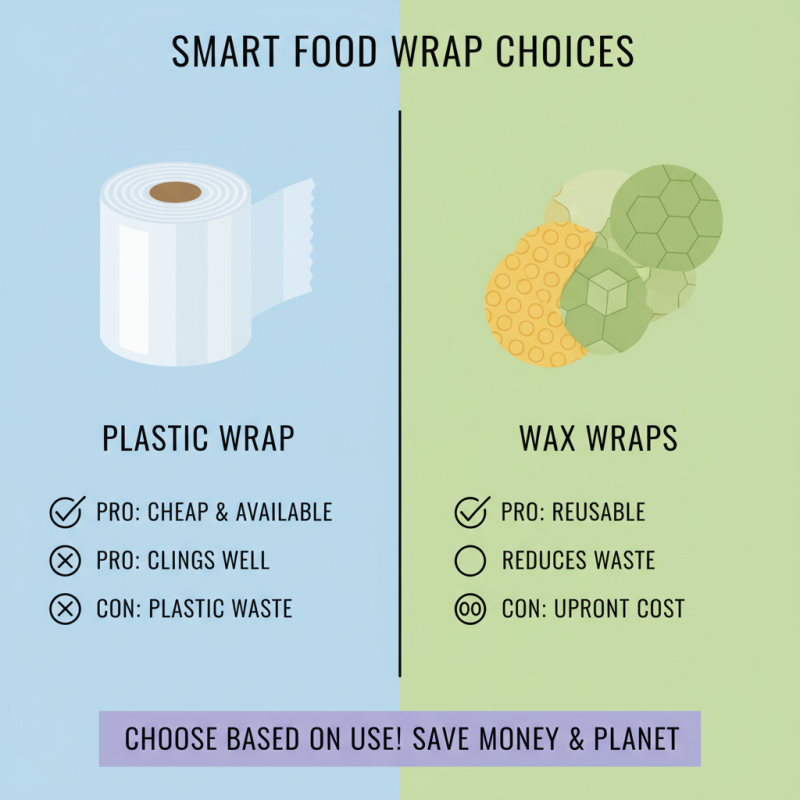
Plastic wrap is common. It is stretchy and clings well to containers. However, some people worry about chemicals leaching into food.
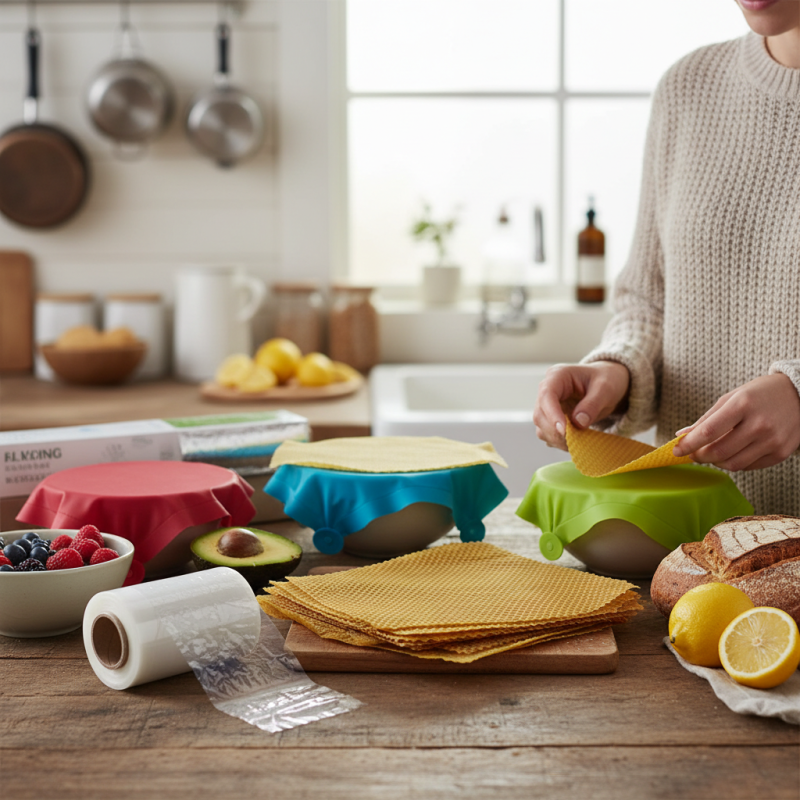
Beeswax wraps are a sustainable choice. They are reusable and eco-friendly. Yet, they can be tricky to clean.
Aluminum foil is another option. It's great for hot foods and keeps them warm. But it’s not the best for long-term storage.
Paper wraps, like wax paper, are best for sandwiches. They can leak if liquids are involved. Each type has its pros and cons. Assessing your needs will help guide your choice. Experimenting with different wraps might lead to unexpected discoveries.
Evaluating Eco-Friendly Options for Food Preservation
When choosing food wraps, eco-friendly options are becoming increasingly important. According to recent studies, approximately 1 in 8 people are now more conscious of sustainable choices. Traditional plastic wraps contribute significantly to landfill waste. Alternatives like beeswax wraps, reusable silicone bags, and plant-based films are gaining traction. These choices support a greener lifestyle and help reduce plastic pollution.
Beeswax wraps, made from organic cotton and beeswax, offer a sustainable way to preserve food. They can last for up to a year with proper care. Research shows that switching to beeswax wraps can reduce waste by up to 100 rolls of plastic wrap per household annually. However, the effectiveness in keeping food fresh can vary, and some may find them harder to clean.
Silicone bags are also gaining popularity. They are durable and can be reused countless times. Studies suggest households that make this switch could save hundreds of plastic bags every year. Still, silicone may not appeal to everyone due to its texture. For the environmentally conscious, it’s essential to weigh these factors carefully. Eco-friendly choices are growing, but not all are perfect. Choosing the right option requires thoughtful evaluation and reflection.
Assessing Durability and Reusability of Food Wraps
When choosing food wraps, durability and reusability matter. A durable wrap can withstand frequent use without wear. Look for materials that resist tearing and are flexible. For example, thicker wraps might hold up better against sharp objects. However, thick wraps can make storage challenging. Their bulk can take up precious space in cabinets or drawers.
Reusability is equally important. Many wraps can be washed and reused, saving money and reducing waste. Consider wraps that can be easily cleaned with soap and water. Some wraps may require special care or might not last after washing. It's frustrating when a wrap loses its stickiness after a few uses. You want a product that meets your daily needs without constant replacement.
Balancing these two factors can be tricky. A wrap that is extremely durable may not be easily reusable. While a reusable option may be less sturdy. Finding the right fit takes time and experimentation. Trying different types can lead to better informed decisions. Each method has its own pros and cons, demanding careful thought about what you truly value in food storage solutions.
Identifying Specific Use Cases Based on Food Types and Storage Needs
Choosing the right food wrap can significantly impact food preservation. Different types of food require specific storage methods. For instance, fruits can benefit from breathable wraps. These wraps allow air circulation, reducing moisture build-up. This helps prevent spoilage, especially for items like apples and bananas.
When it comes to storing leftovers, a tighter seal is essential. Consider using plastic wraps or foil. They keep out air, which helps preserve taste and texture. These materials are especially good for dishes like casseroles and pasta. However, some people find these wraps difficult to handle. They can tear or stick to themselves, creating frustration.
For those looking for alternatives, beeswax wraps are a great option. They are reusable and biodegradable. However, they may not hold up well in very hot conditions. This can lead to wax melting, making them less effective. It’s essential to consider your specific needs when selecting food wraps. Think about what works best for your kitchen routine.
How to Choose the Best Food Wrap for Your Needs?
| Food Type |
Best Food Wrap Type |
Storage Duration |
Features |
| Fruits and Vegetables |
Beeswax Wraps |
3-4 days |
Breathable, reusable, eco-friendly |
| Meats |
Plastic Wrap |
Up to 1 week |
Moisture-retaining, clingy, easy to use |
| Baked Goods |
Aluminum Foil |
5-7 days |
Insulating, cuts down on moisture, versatile |
| Sandwiches |
Parchment Paper |
1-2 days |
Non-stick, absorbent, convenient for packing |
| Leftovers |
Glass Containers with Lids |
Up to 5 days |
Microwaveable, recyclable, airtight |