What is Disposable Plastic and Its Impact on the Environment?
Disposable plastic has become a significant part of modern life. Its convenience often outweighs the environmental consequences in the eyes of consumers. According to Dr. Emily Parker, an expert in environmental science, "We must recognize that every piece of disposable plastic contributes to a growing crisis."
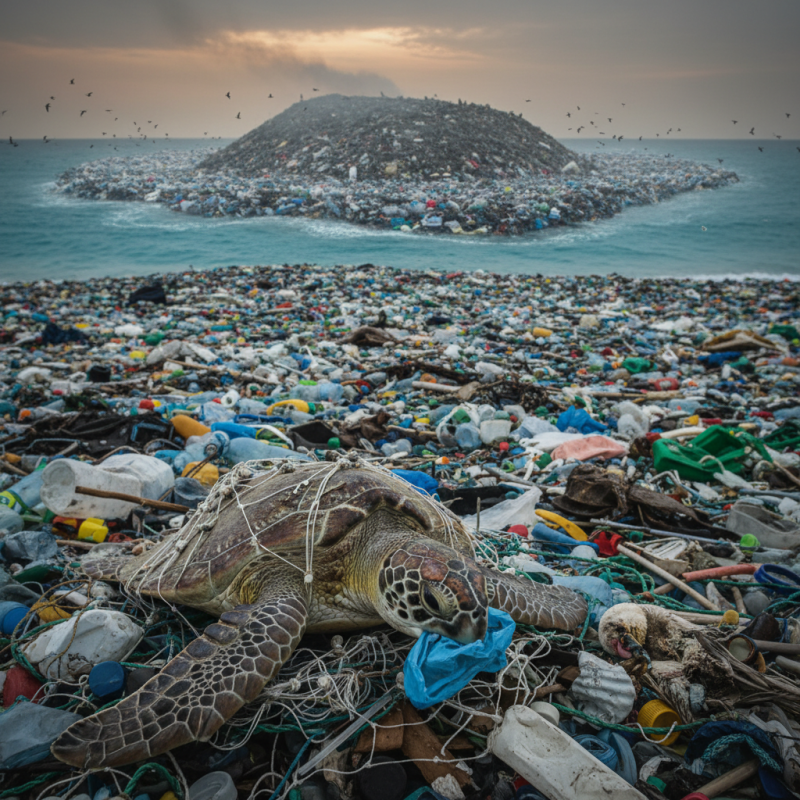
The impact of disposable plastic on our environment is alarming. Millions of tons end up in oceans and landfills each year. Sea creatures ingest plastic, mistaking it for food. Birds and other wildlife are affected too. The sight of beaches littered with plastic is disheartening. Many people fail to connect their daily habits with this destruction.
Rethinking our use of disposable plastic is essential. Awareness must grow about its long-term effects. Alternatives exist but often come with their own challenges. The struggle between convenience and sustainability reflects a deeper issue in our society. We need to confront our habits and make conscious choices that prioritize the planet over convenience.
Definition of Disposable Plastic and Its Common Types
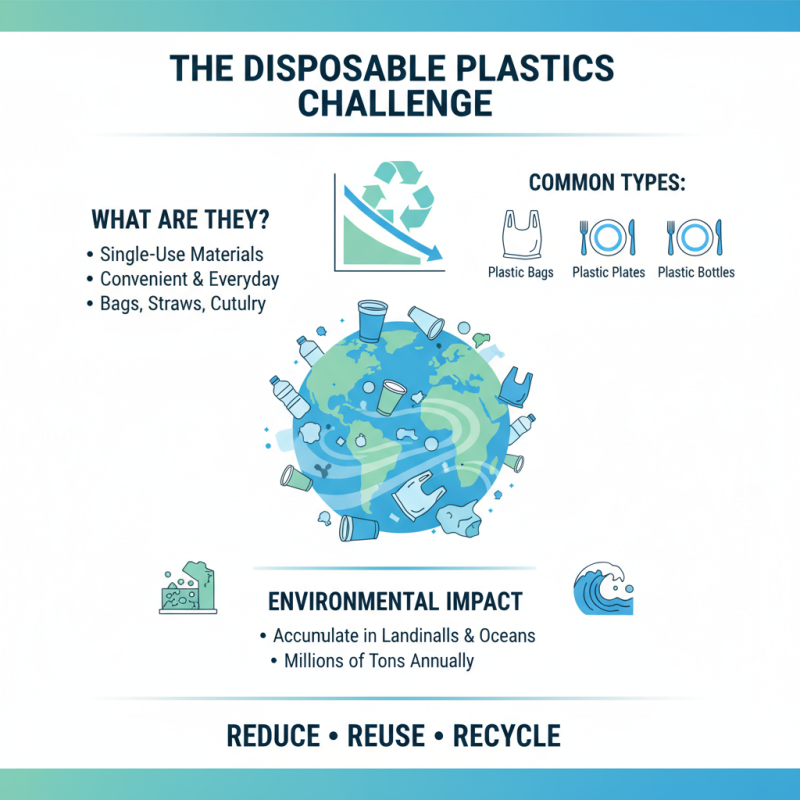
Disposable plastics are materials designed for single-use applications. They are often found in everyday items like bags, straws, and cutlery. These products are convenient, but they pose severe environmental challenges. Common types include plastic bags, plastic plates, and plastic water bottles. These items accumulate in landfills and oceans. It is estimated that millions of tons of plastic waste end up in the environment each year.
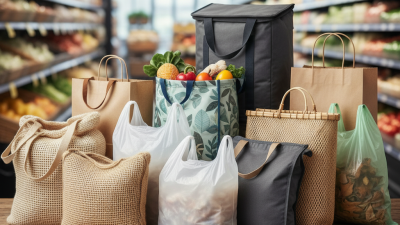
Tips: Consider reusable alternatives. Bring your own bags when shopping. Use metal or glass straws instead of plastic ones. These small changes can make a big impact over time.
Despite their convenience, disposable plastics contribute to pollution. Wildlife often mistake plastic for food. This can lead to choking or digestive issues. Some plastics can take hundreds of years to decompose. As they break down, they release harmful chemicals into the environment. This is a pressing concern we must address.
Tips: Educate yourself and others about the effects of plastic. Participate in local clean-up events. Every effort counts. Reflect on your daily habits. Are there easy shifts you can make? Choosing eco-friendly options can help reduce your plastic footprint significantly.
Global Production Statistics of Disposable Plastics and Key Industries
Disposable plastics are a significant concern in today's world. Globally, plastic production continues to rise. In 2020, around 368 million metric tons of plastic were produced. A large portion of this is disposable plastic. Key industries contributing to this are packaging, food services, and healthcare. In fact, packaging alone accounts for nearly half of total plastic consumption.
Tips for the consumer: Opt for reusable bags and containers. These simple changes can drastically reduce waste. Every small choice matters. In food services, single-use plastics dominate, often leading to pollution. Many restaurants still rely on plastic straws and cutlery. This dependence needs critical evaluation. How can we change this behavior?
Moreover, the healthcare sector uses vast amounts of disposable plastics. Items like syringes and gloves are necessary but problematic once discarded. Finding alternatives may seem challenging but is essential for sustainability. Communities must push for innovation. Reflect on personal habits and their impact. Every effort counts in combating plastic pollution.
Environmental Impact of Disposable Plastics on Marine Life and Ecosystems
Disposable plastics are a significant threat to marine life and ecosystems. Every year, millions of tons of plastic waste end up in the oceans. According to a report by the United Nations, around 800 species are affected by marine debris, particularly plastics. Marine animals often mistake plastic for food. Turtles, for instance, consume plastic bags thinking they are jellyfish. This ingestion can lead to starvation or internal injuries.
Nanoparticles from plastics are also concerning. They break down into microplastics, which enter the food chain. Studies show that over 90% of seabirds have plastic in their stomachs. This not only harms wildlife but can also affect human health through seafood consumption. Coral reefs are not immune—the toxic substances leached from plastics damage these fragile ecosystems.
Tips: Reduce your plastic use. Opt for alternatives like glass or biodegradable materials. Participate in local beach clean-ups to help remove debris. Educate others about the importance of preserving marine life. Remember, every little effort counts in protecting our oceans. Consider going one step further by making a habit of checking your purchases for plastic packaging. It might just spark a change.
Microplastics Formation: Sources and Consequences in the Environment
Microplastics are tiny plastic particles less than five millimeters in size. They originate from various sources. Widely, these particles come from the breakdown of larger plastic items. Common items like bags, bottles, and packaging degrade over time. Other sources include synthetic clothing and personal care products.
The consequences of microplastics in the environment are concerning. They can be found in oceans, rivers, and even our food. Fish and marine life often ingest these particles. Some scientists warn about potential health risks to humans. It's unsettling to think that microplastics are now in our drinking water.
These small particles may seem harmless, but their impact is profound. They disrupt ecosystems, affecting biodiversity. In some cases, these pollutants accumulate toxins. The cycle continues as animals consume other contaminated organisms. It raises important questions about our consumption habits.
Policy Measures and Innovations for Reducing Disposable Plastic Usage
Disposable plastics are ubiquitous in our daily lives. They are found in containers, straws, and shopping bags. These products are convenient, but their environmental impact is severe. Oceans are filled with plastic waste, harming marine life. Wildlife often mistake plastic for food, leading to injuries or death.
To combat this issue, various policy measures have emerged. Governments are implementing bans on single-use plastics. These bans encourage businesses to adopt sustainable alternatives. Some cities are also promoting plastic taxes. Such measures push consumers towards eco-friendly choices. Recycling initiatives are getting more attention too. Effective recycling can help reduce the amount of plastic in landfills.
Tips: Consider carrying a reusable bag whenever you shop. Reusable straws are also a great option. Small changes like these can lead to significant reductions in disposable plastic use. Reflect on your consumption habits. Sometimes, we forget that convenience shouldn’t come at the cost of our planet. Simple adjustments can pave the way for a more sustainable future.