Leave Your Message

10 Essential Tips for Choosing the Right Medical Waste Bags for Your Facility

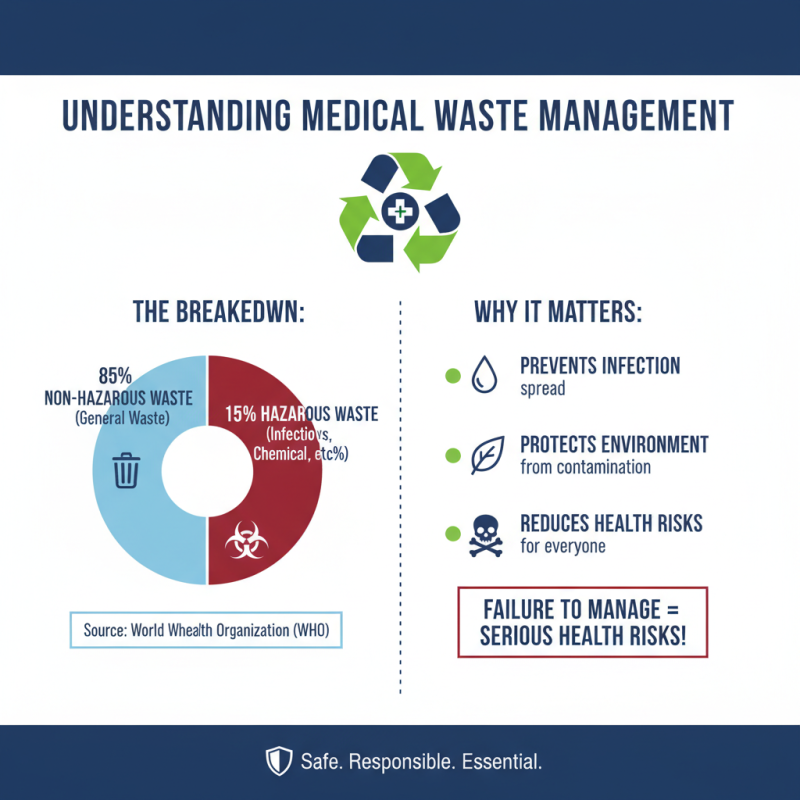
The proper selection of medical waste bags is crucial for healthcare facilities. A report from the World Health Organization states that 85% of medical waste is non-hazardous. However, 15% is hazardous, requiring special handling. Using the right medical waste bags can prevent contamination and protect staff and patients alike.

When choosing medical waste bags, it is vital to consider factors like size, color, and material. For instance, red bags typically indicate biohazardous waste. Mislabeling or incorrect usage can lead to serious risks. Studies reveal that improper disposal increases the chance of healthcare-associated infections.

Healthcare facilities must reflect on their current practices. Are they using appropriate medical waste bags? Are staff trained correctly on their usage? These questions are essential in ensuring safety and compliance. By prioritizing the right medical waste bags, facilities can reduce liabilities and safeguard public health.

10 Essential Tips for Choosing the Right Medical Waste Bags for Your Facility

Understanding the Importance of Medical Waste Management

10 Essential Tips for Choosing the Right Medical Waste Bags for Your Facility

Effective medical waste management is crucial for healthcare facilities. According to the World Health Organization, around 85% of medical waste is non-hazardous. However, the remaining 15% includes hazardous materials that pose serious health risks if not handled properly. A failure to manage medical waste can lead to infections and environmental contamination.

Facilities often overlook the importance of proper waste segregation, leading to unexpected challenges. Inadequate waste disposal can disrupt systems and increase costs. For instance, improper handling can escalate the chances of needle-stick injuries among healthcare workers. Studies indicate that healthcare employees are at a 30% higher risk of exposure to infections.

When choosing medical waste bags, understanding these risks is vital. The right bags should comply with regulations and meet specific standards. An effective choice can enhance safety and improve waste management efficiency. Many institutions find themselves scrambling to rectify mistakes due to a lack of awareness about these crucial aspects. Failing to prioritize this can have long-term implications on both health and resources.


Types of Medical Waste and Their Disposal Requirements

When it comes to medical waste, understanding the types is essential. There are various categories, each with specific disposal needs. General waste includes non-hazardous items like packaging. But sharps waste, including needles and blades, must be handled carefully. These items can pose serious risks if not disposed of properly.

Biohazardous waste, such as blood-soaked materials, requires strict protocols. These should be placed in red bags. Failure to do so can cause contamination. It's crucial to train staff on these categories. Improper classification can lead to dangerous accidents. Not every facility fully comprehends these requirements. Regular reviews can help avoid mistakes.

In addition to identifying waste types, choosing the right bags is vital. For example, bags must be robust enough to contain the waste. Thinner bags may tear, exposing staff to hazards. Understanding these details is imperative for any facility. It’s not just about the cost but the safety of everyone involved.

10 Essential Tips for Choosing the Right Medical Waste Bags

This chart illustrates the different types of medical waste and their respective disposal requirements. Understanding these categories helps in selecting the appropriate medical waste bags for your facility.

Key Features to Look for in Medical Waste Bags

10 Essential Tips for Choosing the Right Medical Waste Bags for Your Facility

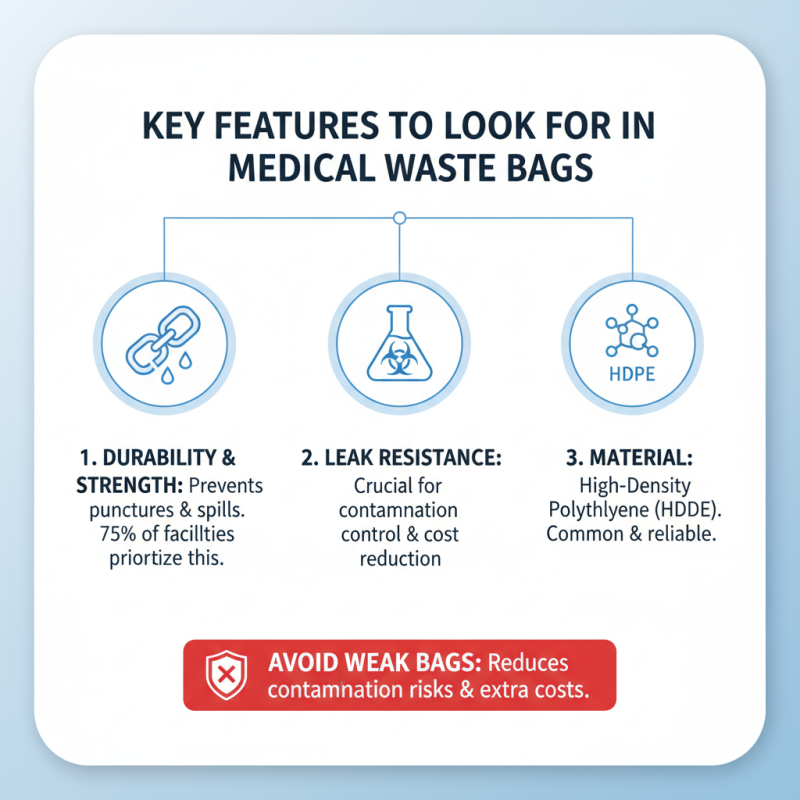
When choosing medical waste bags, key features are vital. Consider the bag's material. High-density polyethylene (HDPE) is common. It offers durability and resistance to punctures. Some reports suggest that 75% of healthcare facilities prioritize strength and leak resistance when selecting bags. Weak bags can lead to spills. This creates contamination risks and extra costs.

Next, think about size. Medical waste bags come in various sizes. A report from the Waste Management Association indicates that standard sizes reduce waste disposal time by 30%. Smaller bags may not meet your facility's needs. Larger bags could lead to overfilling, which is unsafe.

Color coding is also crucial. Many facilities use red for biohazard waste. This helps staff quickly identify and handle dangerous materials. Research shows that clear color coding can reduce mishandling incidents by up to 25%. If your facility lacks a proper system, staff could face unnecessary risks. Choose wisely; the right medical waste bag impacts safety and efficiency.

Regulatory Standards for Medical Waste Bag Selection

When selecting medical waste bags, understanding regulatory standards is crucial. Many healthcare facilities struggle with compliance. According to a 2022 report by the Environmental Protection Agency, over 25% of hospitals faced fines for improper waste management. These regulations, set forth by agencies like OSHA and EPA, dictate the types of materials permitted in medical waste bags.

Different categories exist for medical waste. Infectious waste requires specific disposal methods. The standards often specify that these bags must be labeled and color-coded. Red bags are usually designated for biohazardous waste. Facilities need to ensure they meet these requirements. Failure to do so could lead to exposure risks for staff and patients. A 2021 study highlighted that inadequate waste management increases the likelihood of infection outbreaks in clinical settings.

It's essential to consider the material of the waste bags. They should be puncture-resistant and leak-proof. A recent analysis showed that more than 30% of facilities used substandard bags. This negligence can result in significant health and environmental hazards. Training staff on proper waste segregation is vital. Despite awareness campaigns, compliance remains an issue in many places.

10 Essential Tips for Choosing the Right Medical Waste Bags for Your Facility

Tip Number Tip Description Regulatory Standard Color Coding Material Type
1 Ensure compliance with local, state, and federal regulations. EPA, OSHA compliance Red for biohazardous waste High-density polyethylene (HDPE)
2 Select bags with appropriate puncture resistance. ASTM D1709-16 Yellow for infectious waste Low-density polyethylene (LDPE)
3 Use color-coded bags for easy identification. State-specific regulations Blue for non-hazardous waste Reusable polypropylene bags
4 Choose the right bag thickness for the type of waste. OSHA standards Orange for hazardous waste Thickness ranges (e.g., 1.5 mil, 2.0 mil)
5 Assess the storage and disposal methods available. USDA guidelines Green for recyclable materials Biodegradable options
6 Consider the volume of waste generated. Local waste management regulations Clear for general waste Standard polyethylene bags
7 Evaluate the disposal vendor's requirements. Contractual obligations Black for non-hazardous waste Multi-layer protection bags
8 Choose bags with secure closures. Safety compliance standards Purple for cytotoxic waste Tamper-proof bags
9 Inspect seasonal needs and fluctuations in waste volume. Environmental protection regulations Red and yellow stripes for mixed waste Chemical-resistant bags
10 Train staff on proper bag use and procedures. OSHA and EPA training compliance Special alerts for hazardous substances Custom bags for specific waste types

Best Practices for Storing and Handling Medical Waste Bags

Proper storage and handling of medical waste bags play a crucial role in maintaining a safe healthcare environment. According to a report from the World Health Organization, unsafe disposal of medical waste can lead to serious health risks for healthcare workers and the public. It is essential to choose high-quality bags that resist tears and leaks. These bags should clearly indicate their intended use, whether for biohazard or other forms of medical waste.

When storing medical waste bags, ensure they are kept in designated areas. This reduces the risk of contamination and maintains proper sanitation. A study by the Centers for Disease Control and Prevention shows that improper storage can lead to a 30% increase in exposure to pathogens. Regular training for staff on proper handling techniques is vital. However, even with training, human error remains a factor. Periodic audits can help identify areas needing improvement.

Adhering to local regulations is also important. Not all facilities comply fully, exposing themselves to potential liabilities. This can lead to fines and serious health risks. Facilities must regularly review their waste management practices. Continuing education and investment in better tools or storage options can help mitigate these risks. Improving practices is an ongoing journey.