10 Essential Tips for Using Plastic Baggies Effectively?
Plastic Bagies are versatile tools used in many households and industries today. According to recent market research, the global plastic packaging market is expected to grow significantly, reaching USD 1 trillion by 2028. This surge highlights the importance of understanding how to use Plastic Baggies effectively.
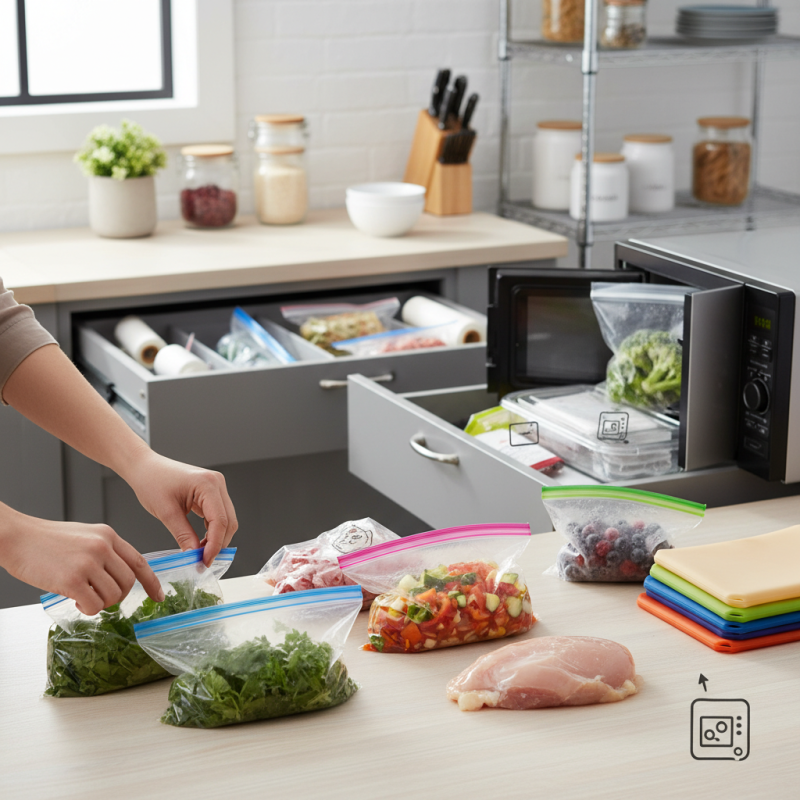
While they offer convenience, improper use can lead to waste and inefficiency. Many people overlook proper sealing techniques. A single improperly sealed bag can lead to spoilage or contamination. Moreover, not all baggies are suitable for microwave or freezer use. Awareness of these details is crucial to maximizing their potential.
Despite their common use, many still struggle with effective organization. It’s all too easy to waste money on disposable products that could be replaced or reused. Creating a dedicated storage area may reduce this problem. Effective use of Plastic Baggies is about more than convenience; it’s an opportunity to be mindful of our environment and resources.
Choosing the Right Type of Plastic Baggies for Your Needs
Choosing the right type of plastic baggies is crucial for effective organization and storage. You may find various sizes and materials available. Some baggies are made of thicker plastic, while others are more lightweight. Consider what you need them for. If you want to store food, opt for thicker bags to ensure freshness. If you're organizing small items, lightweight ones may suffice.
Consider the zip seal feature. It provides a better closure than traditional twist ties. A sturdy seal can prevent spills and keep contents safe. But don’t forget to check the integrity of the bag. Sometimes, the seal may seem secure but can fail unexpectedly, leading to spills.
Another tip is to think about transparency. Clear baggies let you see the contents at a glance. This can save time when searching for items. Yet, opaque ones can protect sensitive materials from light. Balance is key here.
Remember, not all baggies are created equal. Some may tear easily or develop holes. Reflect on your needs and choose accordingly. It might take some trial and error to find the perfect fit, but it’s worth the effort.
10 Essential Tips for Using Plastic Baggies Effectively
| Tip Number |
Tip |
Type of Baggie Recommended |
Best Uses |
| 1 |
Choose the right size |
Gallon size |
Storing bulk items |
| 2 |
Use for organization |
Quart size |
Grouping items |
| 3 |
Label your baggies |
Any size |
Preventing mix-ups |
| 4 |
Use for meal prep |
Sandwich size |
Packing lunches |
| 5 |
Seal tightly to avoid spills |
Freezer bags |
Storing liquids |
| 6 |
Repurpose old baggies |
Any size |
Crafts or storage |
| 7 |
Store dry ingredients |
Snack size |
Spices and snacks |
| 8 |
Use for travel |
Quart size |
Carrying toiletries |
| 9 |
Use as an ice pack |
Gallon size |
Keeping things cool |
| 10 |
Dispose responsibly |
Any size |
Environmental care |
Best Practices for Storing Food in Plastic Baggies
When it comes to storing food in plastic baggies, organization is key. Start by labeling each bag with the contents and date. This simple step prevents confusion later. Remember, overfilling a bag can lead to spills. Leave some space at the top for air. While plastic baggies are useful, they aren’t perfect. Sometimes, they can leak. Consider double-bagging liquids to avoid messes in your fridge.
Next, ensure that the bags are sealed properly. Poor seals allow air in, which can lead to freezer burn. Squeeze out excess air before sealing. It’s also wise to be cautious with sharp items. Keep knives and broken glass well away from your food storage bags. Think about how you stack your bags—laying them flat saves space and keeps them organized. Be mindful that not all baggies suit all foods. Some may release chemicals at lower temperatures, so read the guidelines carefully when freezing.
10 Essential Tips for Using Plastic Baggies Effectively
Creative Uses for Plastic Baggies Beyond Food Storage
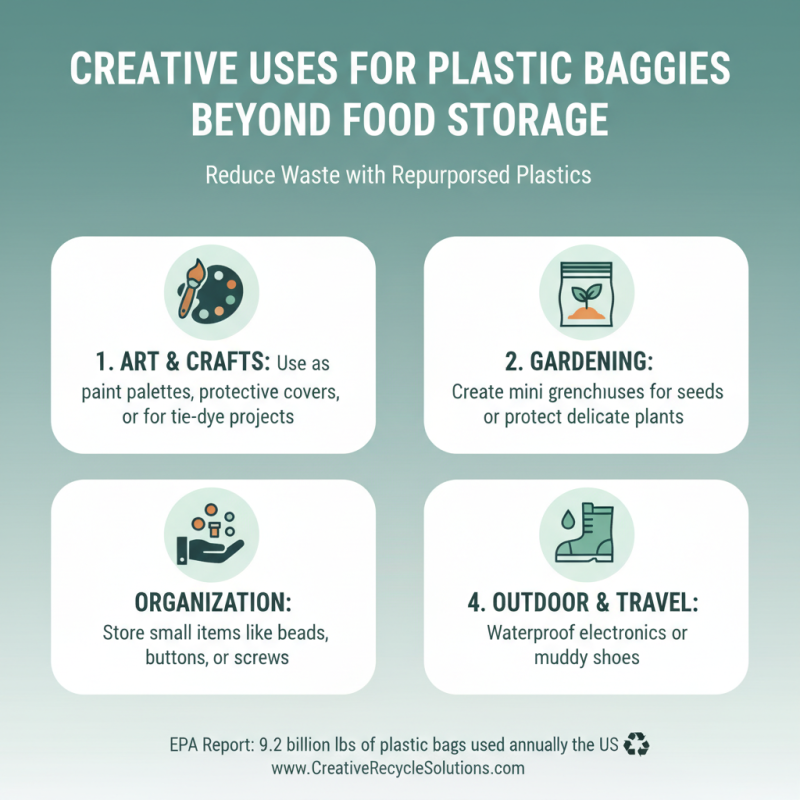
Plastic baggies are not just for storing food. They have creative applications that many overlook. According to a recent report by the Environmental Protection Agency, around 9.2 billion pounds of plastic bags are used annually in the U.S. alone. Finding alternative uses can help reduce waste.
These versatile bags can organize everyday items. For instance, use them to separate art supplies, toiletries, or tech chargers. This can make a messy drawer less chaotic. However, many people forget to recycle them properly. Options like repurposing or donating unused items can lead to better outcomes.
Even in travel, plastic baggies shine. They can protect electronics from moisture. Flipping through a travel magazine revealed that 75% of travelers often struggle with packing efficiently. Using baggies for clothing items can help manage space. Yet, improperly sealing bags can lead to spills. It's an aspect often neglected.
Tips for Organizing and Labeling Plastic Baggies Efficiently
Using plastic baggies for organization can transform your space. Start by choosing the right size for your needs.
Small baggies are great for loose buttons or screws. Larger ones can hold bigger items like craft supplies. Avoid cramming too much into one bag. It leads to chaos rather than order.
Labeling is key. Write directly on the baggie with a permanent marker. You can also use tape or stickers for a neater look. Make sure labels are clear. Sometimes I struggle with my handwriting. Not all ideas come out perfectly. Use colors to categorize. Different colors can represent different categories, making it easy to find what you need.
Store baggies in a dedicated drawer or container. This keeps them accessible but not cluttered. Be mindful of what you choose to organize. It can be tempting to keep everything. Reflect on what you need. Some items can be hard to part with, but less is often more. Find a balance that works for you.
Eco-Friendly Considerations When Using Plastic Baggies
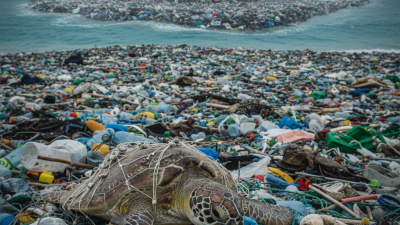
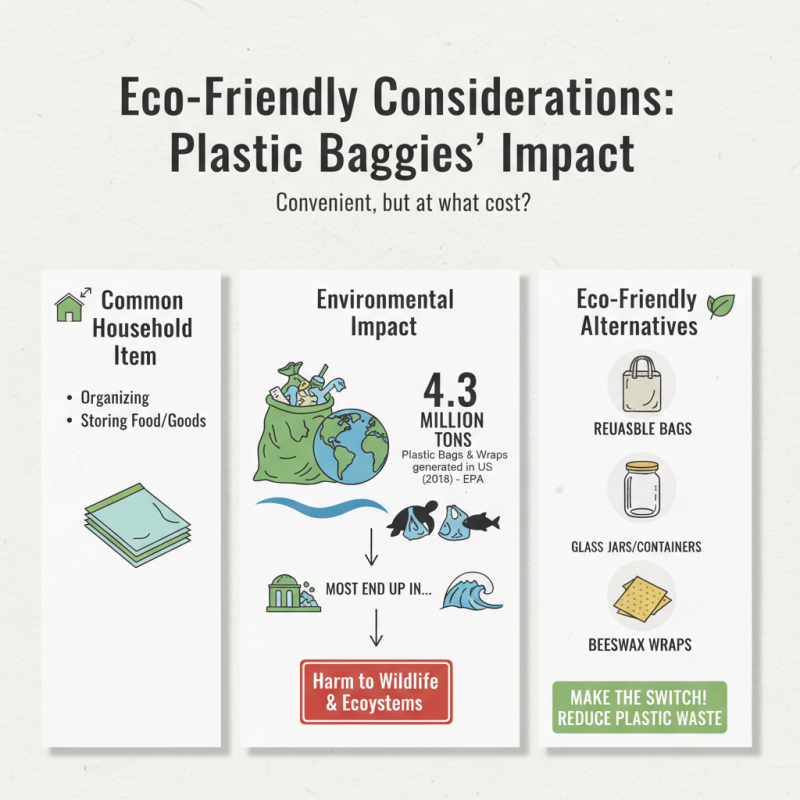
Plastic baggies are a common household item. They’re convenient for organizing and storing. However, their environmental impact is significant. According to the Environmental Protection Agency, about 4.3 million tons of plastic bags and wraps were generated in the U.S. in 2018. Most of these materials end up in landfills or oceans. This creates issues for wildlife and ecosystems.
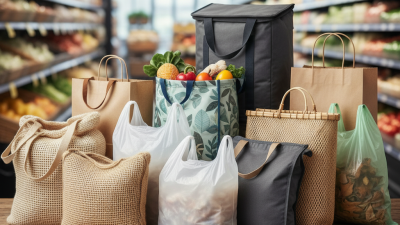
To use plastic baggies more sustainably, consider reusing them. Many people rarely do this. A study shows that reusing each baggie just five times can reduce plastic waste significantly. Washing used baggies with warm soapy water is easy. Ensure they are completely dry before reuse to prevent mold. Think about alternatives too. Biodegradable options are increasingly available. However, they still require proper disposal methods.
Be mindful of your consumption. Choose the right size baggie for your needs to minimize excess. A local recycling program can help, but many do not accept plastic baggies. This leaves consumers with limited options. Learning about local recycling rules is vital. Not all communities recycle the same way. Moving towards eco-friendly options is a step forward, but it requires collective effort from everyone.