2026 How to Choose Safe Plastic for Food Storage and Preparation?
Choosing safe plastic for food is crucial in today's world. Many people overlook the potential risks associated with food storage and preparation. Not all materials labeled as plastic for food are created equal. Some contain harmful chemicals that can leach into your meals. It's vital to understand these differences.
When selecting plastic for food use, always check for specific labels. Look for BPA-free options. Some plastics might seem safe but could release toxins under heat or when reused. Consider the temperature range these materials can withstand. Items like containers and wraps are essential in every kitchen.
Not every consumer is aware of these pitfalls. Many use the same plastic containers for years without thinking. Over time, wear and tear can make even the safest-looking plastics unsafe. Reflecting on how you store food is important. Being informed helps you make better choices. This knowledge empowers you to protect your health and that of your loved ones.
Understanding Plastic Types: Common Materials in Food Storage
When it comes to food storage, the type of plastic matters greatly. Many households use various plastics without realizing their implications. Common materials like polyethylene and polypropylene are often safe choices. However, materials like polyvinyl chloride (PVC) can pose risks. Be cautious with older containers; they might not meet safety standards.
Understanding the specific plastic type is crucial. Look for recycling symbols. For example, number 1 (PET) is widely used for beverage bottles and is generally safe. Number 2 (HDPE) is common for milk jugs and is also safe. On the other hand, numbers 3 (PVC) and 7 (Other) can contain harmful chemicals. Sometimes, it’s unclear what “Other” really means.
Not all plastics can withstand heat. Some may leach chemicals when microwaved. Be mindful of food safety, especially with older containers. It’s essential to evaluate both your current storage solutions and the food you plan to store. A little awareness can prevent health risks. Reconsidering your plastic use is a step towards better food safety.
2026 How to Choose Safe Plastic for Food Storage and Preparation? - Understanding Plastic Types: Common Materials in Food Storage
| Plastic Type |
Common Uses |
Safety Rating |
Recycling Code |
| Polyethylene Terephthalate (PET) |
Bottles, food containers |
Generally Safe |
1 |
| High-Density Polyethylene (HDPE) |
Milk jugs, detergent bottles |
Generally Safe |
2 |
| Polyvinyl Chloride (PVC) |
Plastic wrap, cooking utensils |
Caution |
3 |
| Low-Density Polyethylene (LDPE) |
Grocery bags, food wraps |
Generally Safe |
4 |
| Polypropylene (PP) |
Microwave containers, yogurt containers |
Generally Safe |
5 |
| Polystyrene (PS) |
Disposable coffee cups, foam trays |
Caution |
6 |
| Other |
Various applications (e.g., some food containers) |
Varies |
7 |
Identifying Safe Plastics: Recognizing Food-Grade Labels
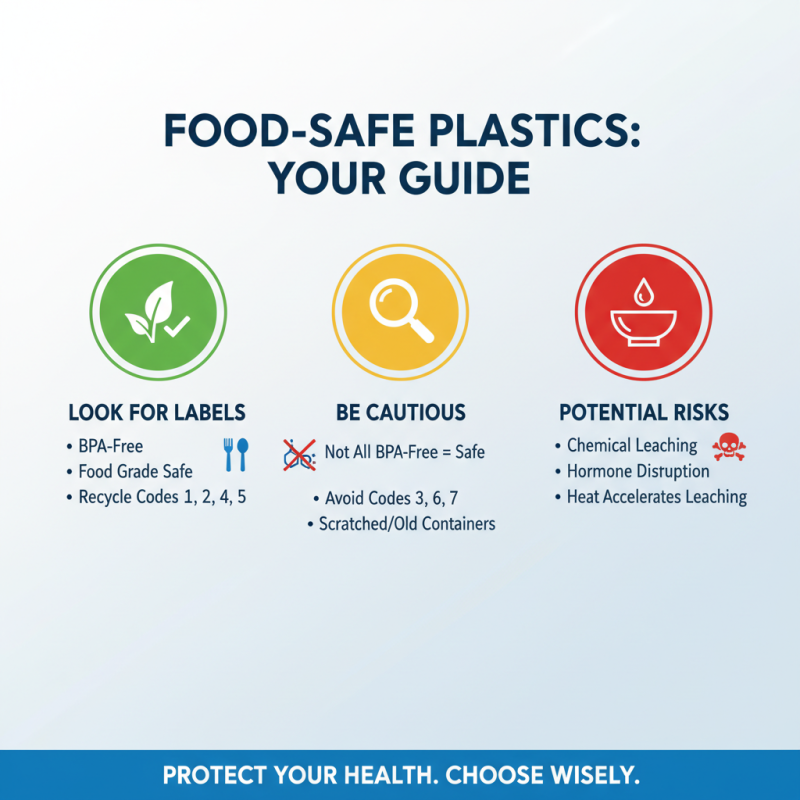
When selecting plastics for food storage, understanding food-grade labels is essential. Not all plastics are created equal. Some can leach harmful chemicals into your food. Look for labels that indicate safe usage. "BPA-free" is a common term you might see. However, not all BPA-free items are completely safe.
Check numbers on the bottom of containers. Plastics labeled with recycle codes 1, 2, 4, and 5 are generally considered safe. Code 3, polyvinyl chloride (PVC), and code 6, polystyrene, can pose risks. Moreover, imagine using a plastic container that looks fine but may not be safe for hot foods.
Also, be cautious with older containers. They might wear down over time. Cracks and scratches can harbor bacteria. When in doubt, replace questionable containers. Safety should always come first. Trust your instincts and choose wisely. It’s about your health and that of your loved ones.
Evaluating Chemical Safety: BPA, Phthalates, and More
When choosing plastics for food storage and preparation, chemical safety is crucial. BPA and phthalates are two main concerns. BPA is often found in hard plastics. It can leach into food, especially when heated. Phthalates are used to make plastics flexible. They can also migrate into food, posing health risks.
Tips for safe plastic use: choose containers labeled "BPA-free." These are generally a better option for food storage. Look for alternatives like glass or stainless steel. They are safer and do not contain harmful chemicals. Also, avoid using old plastic containers that may degrade over time. A scratched surface can release more chemicals.
Consider the type of food you store. Fatty or acidic foods can increase chemical leaching from plastic. If you notice any signs of wear, think about replacing the container. This is important for maintaining food safety. Stay informed. The more you know, the better choices you can make for you and your family.
Best Practices for Plastic Use: Tips for Storage and Heating
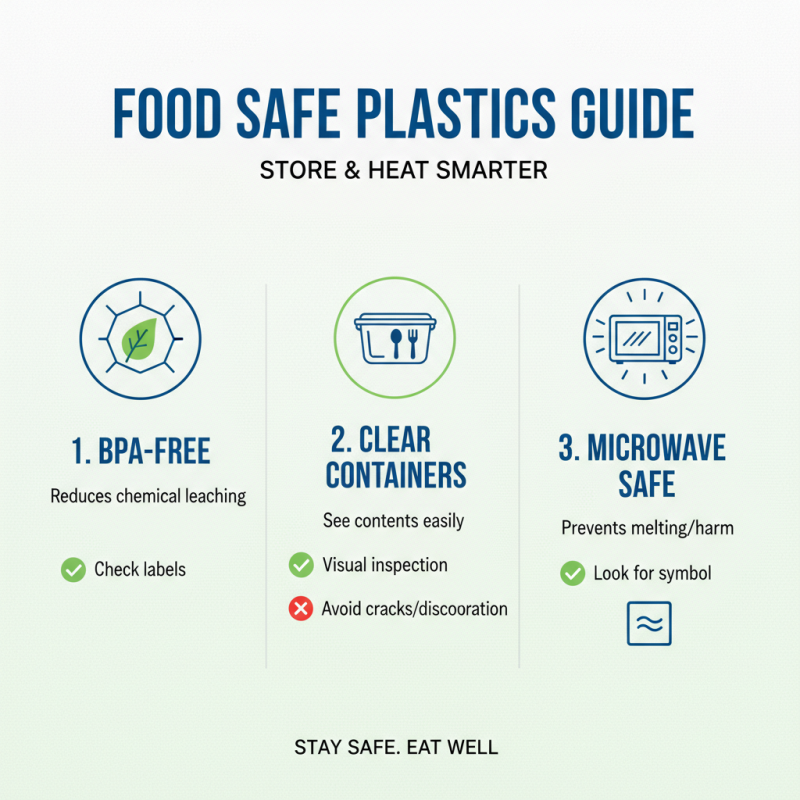
When selecting plastics for food storage and heating, it's crucial to prioritize safety. Not all plastics are created equal. Look for containers labeled as BPA-free. This can help reduce the risk of chemicals leaching into your food. Clear containers are often a good choice, as they allow you to see the contents. However, check for cracks or discoloration, as these can indicate that a container is unsafe.
Heating food in plastic should be approached with caution. Microwave-safe plastics are designed to withstand heat without releasing harmful substances. Yet, even with this label, it’s wise to avoid high-fat or high-sugar foods. They may exceed the safe temperature limits. For steaming or cooking, consider using glass or ceramic instead. These materials are generally more heat-resistant and safe.
Remember to practice proper storage techniques. Don't store acidic foods in plastic. This can cause chemicals to leach from the container. When possible, choose glass containers for marinades or sauces. Also, avoid reusing single-use plastics. They are not meant for long-term storage and may degrade over time. Stay informed and cautious when using plastic to keep your meals safe and healthy.
Alternatives to Plastic: Exploring Safe Food Storage Options
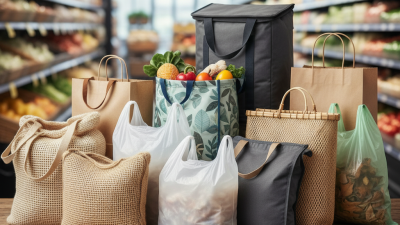
When considering alternatives to plastic for food storage, many options exist. Glass containers are popular because they do not leach chemicals. They are reusable and can withstand high temperatures. However, they can be heavy and breakable, posing a risk in some kitchens.
Another alternative is stainless steel. It is durable and resistant to rust. Stainless steel containers keep food fresh for longer periods. They are lightweight and easy to clean. On the downside, they can be expensive and may not be suitable for microwaving.
Beeswax wraps have gained traction as a sustainable choice for food storage. These wraps can cover bowls or wrap sandwiches. They are reusable and biodegradable, reducing waste. However, they may not be ideal for meat or fish, as they require special cleaning. Exploring these options helps in making informed decisions about food storage.
Safe Plastic Alternatives for Food Storage