Why Are Plastic Ziplock Bags Essential for Everyday Organization?
In the realm of everyday organization, Plastic Ziplock Bags stand out as unsung heroes. Renowned organization expert, Marie Kondo, once said, “A place for everything, and everything in its place.” This sentiment rings true when considering the practicality of these versatile bags. They bring order to chaos in our busy lives. From storing snacks to organizing craft supplies, they cater to a range of needs.
Plastic Ziplock Bags offer unexpected solutions to common problems. Imagine a cluttered drawer filled with loose items. With these bags, you can categorize and label everything. It turns chaos into clarity. Yet, not every use is perfect. Sometimes bags tear or don't seal tightly, leading to frustration. It’s essential to choose quality brands for reliability.
The beauty of Plastic Ziplock Bags lies in their simplicity. They are affordable and accessible. Their impact on organization can’t be overstated. Each bag holds potential for transformation, making everyday tasks manageable. However, the challenge remains to use them wisely and avoid excess waste. What small steps can we take to improve our organization methods?
The Versatility of Plastic Ziplock Bags in Daily Life
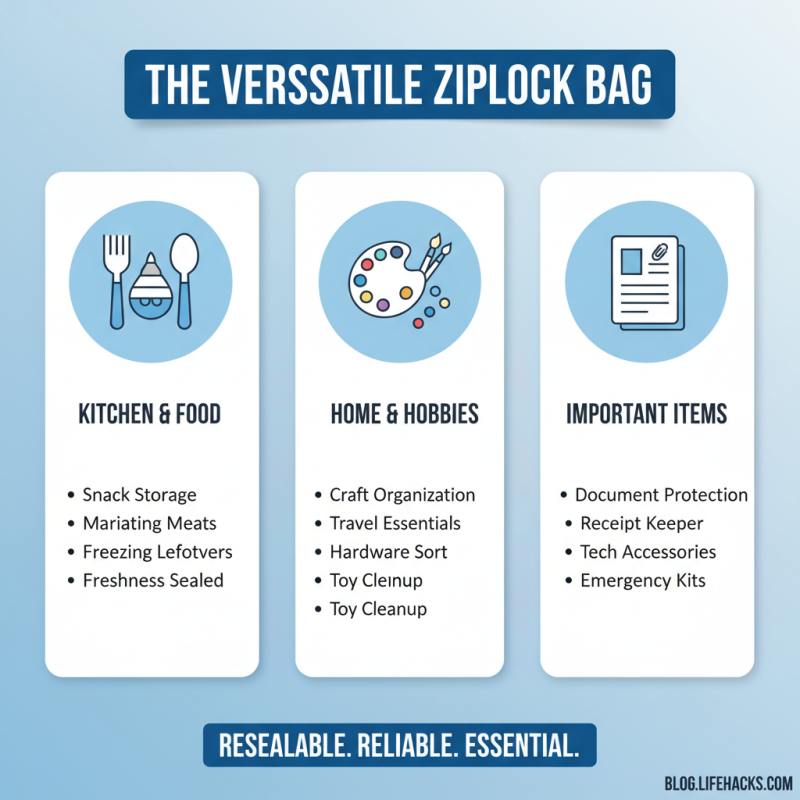
Plastic ziplock bags are incredibly versatile in daily life. They can hold snacks, organize craft supplies, or store important documents. Their resealable tops make them ideal for keeping items fresh and accessible. You can use them in the kitchen for marinating meats or storing leftovers. This flexibility makes them staples in households everywhere.
These bags also shine in travel scenarios. You can pack toiletries securely without spilling. For outdoor adventures, they protect electronics from moisture. However, it’s worth noting that not all ziplock bags are created equal. Some may not hold up under heavy use or extreme temperatures. Investing in quality options can save you from messy mishaps later.
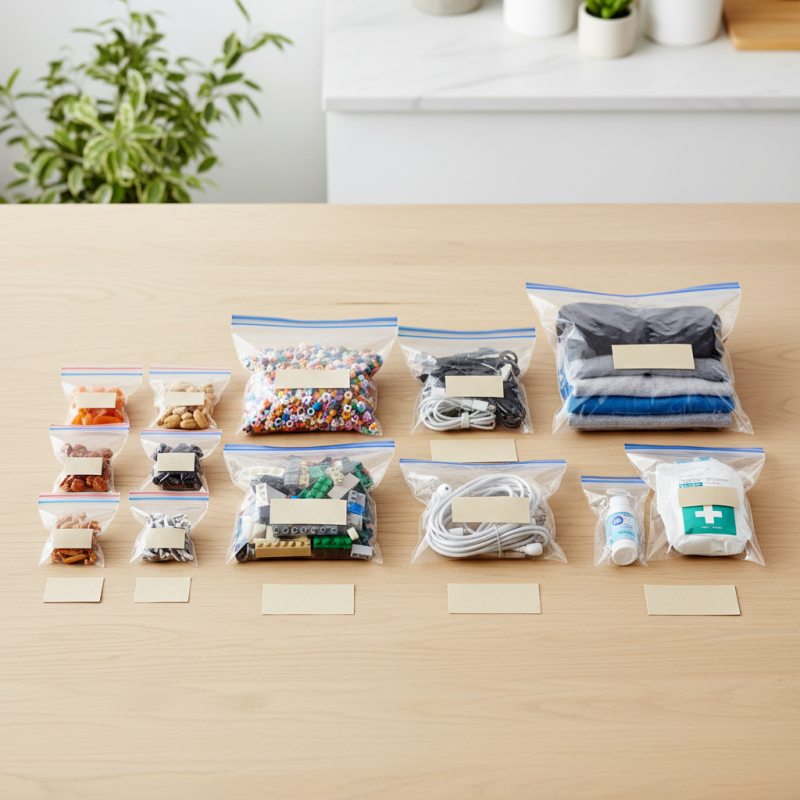
In organization, ziplock bags can help manage smaller household items. They sort screws, buttons, and crafting materials easily. Life can get chaotic, and finding a systematic way to store smaller items can reduce stress. While they simplify certain tasks, keep in mind their environmental impact. Reflecting on reducing single-use plastic is crucial as we strive for more sustainable solutions.
Essential Uses of Ziplock Bags for Food Storage and Preservation
Plastic ziplock bags are a staple in many kitchens, serving crucial roles in food storage and preservation. Research suggests that proper food storage can reduce food waste by as much as
30% (USDA, 2022). These bags create an airtight seal, which helps to keep food fresh longer. They are not only convenient but also effective in preventing spoilage.
In addition to preserving freshness, ziplock bags are versatile. They can store snacks, leftovers, and even marinated meats. A study found that nearly
70% of households use ziplock bags for meal prepping (Food Safety Association, 2021). This efficiency reduces preparation time during busy weekdays. Yet, it’s important to reconsider their environmental impact. Many bags are single-use, contributing to plastic waste. Consumers may want to explore reusable alternatives to balance convenience and sustainability.
Many overlook how ziplock bags also aid in meal portioning, from freezing soups to organizing dry ingredients. Accurately measuring food portions can combat overeating.
However, using them excessively can create clutter in the kitchen. Mindful organization is necessary to maintain a tidy space. With these bags, the key is to find a balance that enhances food preservation while being gentle on the planet.
Crafting and Organizing: Creative Uses for Ziplock Bags
Plastic ziplock bags are more than just storage solutions; they are valuable tools for crafting and organizing. Their versatility enables users to keep various materials sorted efficiently. According to a 2023 report by the Household Organization Industry Association, nearly 70% of people engage in crafting activities regularly. This indicates a growing need for effective organizational methods.
You can use ziplock bags in numerous creative ways. For crafters, they are perfect for storing beads, buttons, or paint. Each bag can hold small items securely, preventing loss and clutter. Color-coding bags by project or type can further enhance organization. Think about labeling each one for clarity. This method not only saves time but also sparks inspiration.
Tip: Consider using bags of different sizes for different needs. A larger bag might be ideal for holding yarn, while smaller bags work for tools like scissors or adhesive. Also, placing bags in a dedicated storage box helps keep everything tidy. This setup minimizes distraction during crafting sessions.
Another great use is for organizing documents or papers. Use ziplock bags to sort receipts, warranties, or instructions. Clearly labeled bags can lead to quicker access when needed. It’s easier to find your documents this way, and you avoid the frustration of sifting through piles of paper.
Tip: Regularly reassess your organization system. If certain bags frequently become cluttered, it might be time for a rethink. Adaptability is key to maintaining order. Each adjustment can streamline your creative process and boost productivity.
Why Are Plastic Ziplock Bags Essential for Everyday Organization?
| Use Case |
Description |
Benefits |
Recommended Size |
| Food Storage |
Keep leftovers fresh and organized in the fridge |
Prevents spoilage and saves space |
Quart or Gallon Size |
| Travel Organization |
Store toiletries and small items in luggage |
Keeps items contained and prevents leaks |
Gallon Size |
| Crafting Supplies |
Organize beads, buttons, and other small materials |
Easy access and visibility of supplies |
Sandwich or Snack Size |
| Home Office |
Store pens, paper clips, and small documents |
Reduces clutter and keeps essentials handy |
Snack Size or Quart Size |
| Garden Seeds |
Keep seeds organized and protected until planting |
Prevents damage and allows for easy labeling |
Snack Size |
Streamlining Travel: How Ziplock Bags Enhance Packing Efficiency
Plastic ziplock bags play a vital role in enhancing packing efficiency while traveling. According to a recent report by the American Travel Association, efficient packing is crucial for minimizing travel stress and maximizing enjoyment. Ziplock bags help organize toiletries, snacks, and small electronics. These bags are easy to label and can be easily resealed after use.
Using ziplock bags can significantly reduce clutter. For instance, a study revealed that travelers who used packing organizers, like ziplock bags, reported a 30% reduction in luggage space usage. This is especially important for air travel, where baggage fees can add up quickly. However, travelers often overlook the potential of these bags, leading to chaotic packing scenarios.
Moreover, it's worth noting that not all ziplock bags are created equal. Some may not seal properly or can leak. This can lead to frustration during travel. It’s essential to test the bags beforehand. Proper usage and selection are key to truly benefiting from ziplock bags in travel organization. Adapting this small yet powerful tool can make a difference in your travel experience.
Eco-Friendly Alternatives: Recycling and Reusing Ziplock Bags
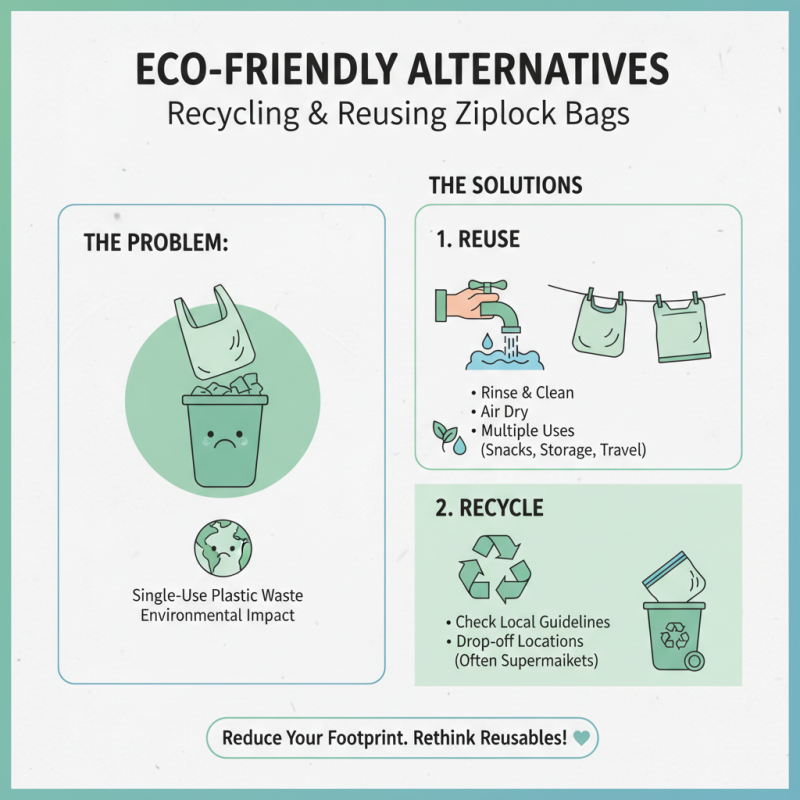
Plastic ziplock bags offer convenience, but their impact on the environment is significant. Recycling and reusing ziplock bags can help mitigate this issue. Instead of tossing them in the trash after a single use, consider their potential for multiple applications. Cleaning them carefully can extend their life. Rinsing them after use and air drying can prepare them for a second round.
Many households find creative ways to reuse these bags. They can store snacks, organize craft supplies, or even protect fragile items during a move. However, not all ziplock bags are recyclable. Knowing which ones can and cannot be recycled is important. Always check local guidelines. Some bags, especially those with mixed materials, can complicate the recycling process.
Embracing eco-friendly habits is essential. While ziplock bags are handy, it's crucial to reflect on our consumption patterns. Can we switch to reusable alternatives more often? Investing in containers made from sustainable materials may prove more beneficial in the long run. Small changes can lead to significant impacts. Striving for a balance between convenience and sustainability is a journey worth taking.