Top 10 Benefits of Using Plastic Ziplock Bags for Storage?
In recent years, the use of Plastic Ziplock Bags has surged in popularity, particularly for storage purposes. A report from the Packaging Industry Association highlights that these bags account for a significant portion of the flexible packaging market, projected to reach $90 billion by 2026. Many see them as an essential tool for organization and preservation in households and businesses.
John Smith, a packaging expert with over 20 years in the industry, states, “Plastic Ziplock Bags provide unmatched convenience and versatility.” These bags are not just for food storage; they’re increasingly used for organizing small items, protecting delicate objects, and even in travel. They are lightweight and impermeable, which adds to their appeal, yet it’s essential to consider their environmental impact.
While the benefits are compelling, we must reflect on issues such as single-use plastic waste. Striking a balance between convenience and sustainability is crucial. Understanding the implications of our choices can help us utilize Plastic Ziplock Bags more wisely while enjoying their numerous benefits.
Advantages of Ziplock Bags for Food Storage and Preservation
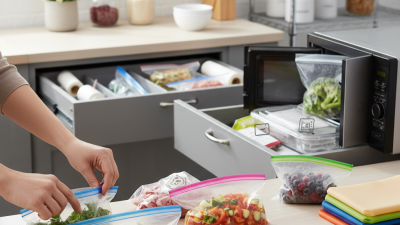
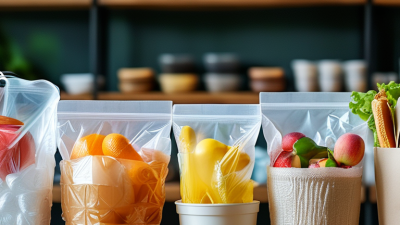
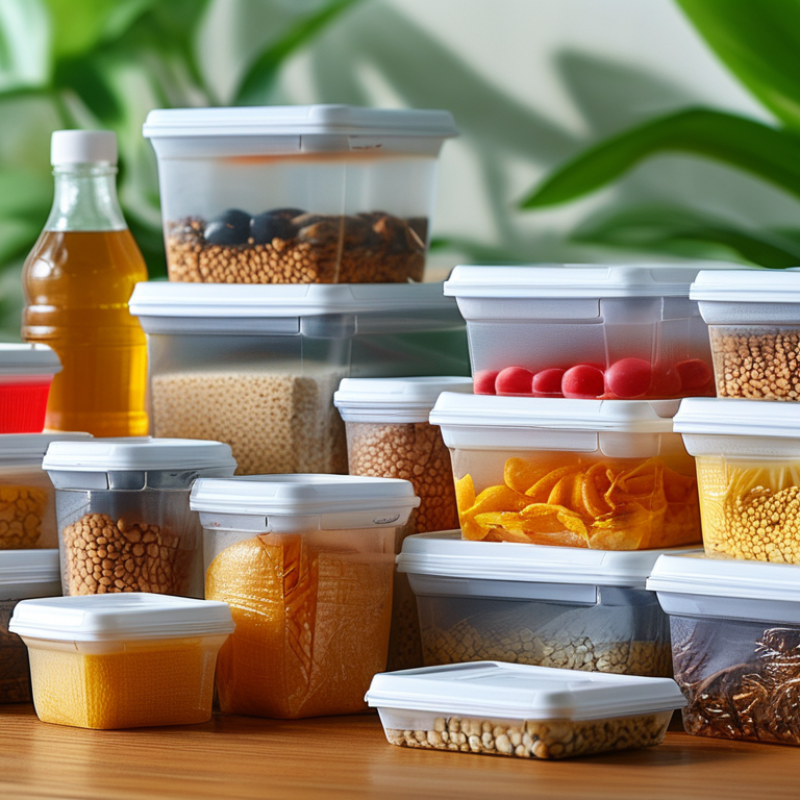
Plastic ziplock bags are a convenient storage solution. They are useful for food storage and preservation. These bags keep food fresh for longer periods. The airtight seal prevents air exposure, reducing spoilage. You can use them to store fruits, vegetables, and snacks effortlessly.
One major advantage is their ease of use. Simply fill the bag, seal it, and it's done. They are also transparent, allowing you to see the contents easily. This feature helps in easily identifying items in your fridge or pantry. However, it's important to ensure proper sealing to maximize freshness. Sometimes, inexperienced users might not seal them securely, which can lead to unwanted air and moisture getting in.
Ziplock bags are lightweight and portable, making them perfect for outings. You can use them for packed lunches or snacks on the go. They also help in portion control, ensuring you don’t overeat. However, repeated use without adequate cleaning might lead to bacteria buildup. Therefore, it's essential to use them wisely.
Convenience of Organizing Household Items with Ziplock Bags
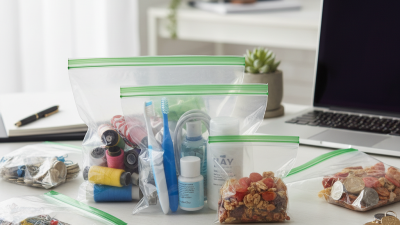
Plastic ziplock bags offer a simple yet effective way to organize household items. They come in various sizes, making them ideal for storing everything from snacks to art supplies. Imagine having a drawer full of craft items, with each type neatly contained in its own bag. It’s easy to find what you need without rummaging through a cluttered space.
These bags are also transparent, which eliminates guesswork when searching for items. You can quickly spot that elusive set of batteries or your favorite seasoning. However, not all bags are created equal. Some may not seal properly, leading to potential spills and messes. It’s essential to choose bags with reliable closures to avoid these issues.
Another benefit is their versatility. You can use them for travel, keeping toiletries separate and organized. But the reality is that over time, one might accumulate too many bags, leading to unnecessary waste. Reflecting on this, it's crucial to use them mindfully. Each bag should serve a purpose, enhancing your organization rather than contributing to chaos.
Top 10 Benefits of Using Plastic Ziplock Bags for Storage
Cost-Effectiveness of Using Ziplock Bags for Various Storage Needs
Plastic Ziplock bags offer a cost-effective solution for storage needs across various contexts. They are affordable and versatile, making them ideal for both home organization and travel. You can easily store food items, documents, and even small tools. Unlike rigid containers, these bags take up minimal space. They are lightweight and can be tucked into pockets or backpacks.
Many people overlook the environmental impact of using plastic. While Ziplock bags are reusable, they may not be the most sustainable option compared to alternatives. It’s important to balance cost-effectiveness with ecological responsibility. Reusing these bags can mitigate waste, but they still contribute to landfill concerns. Reflecting on this opens the door to better storage choices.
Using Ziplock bags can reduce clutter while keeping items organized. However, they might not always provide the best protection against leaks or spills. If stored incorrectly, they can break or tear easily. Being mindful of how they are used could increase their longevity. Taking the time to organize and label can transform storage practices into a more efficient system.
Top 10 Benefits of Using Plastic Ziplock Bags for Storage
| Benefit |
Description |
Cost-Effectiveness |
| Space Saving |
Ziplock bags can be easily flattened, saving space in cabinets and drawers. |
Inexpensive storage solution with minimal cost per use. |
| Versatile Sizes |
Available in various sizes for different storage needs. |
Affordable options for any size requirement, reducing waste. |
| Food Preservation |
Keeps food fresh by preventing air exposure. |
Cost-effective compared to other food storage methods. |
| Easy Organization |
Helps in organizing items, making it easier to find things. |
Low investment for enhancing organization in storage spaces. |
| Liquid Containment |
Perfect for storing liquids without leakage. |
Avoids costly spills and messes, saving cleanup costs. |
| Reusable |
Can be washed and reused multiple times. |
Reduces the overall cost of storage over time. |
| Travel Friendly |
Convenient for packing snacks and toiletries on trips. |
Affordable travel solution to carry various items. |
| Time Saver |
Quick to seal and store items, saving time in the kitchen. |
Efficiency translates to lower operational costs in meal prep. |
| Eco-Friendly Options |
Some brands offer biodegradable options to reduce plastic waste. |
Affordable eco-friendly choices are available. |
| Visibility |
Transparent material allows easy viewing of contents. |
Reduces time and frustration in searching for stored items. |
Environmental Considerations When Using Plastic Ziplock Bags
When considering the environmental impact of plastic ziplock bags, the data presents a mixed picture. The U.S. Environmental Protection Agency (EPA) reported that about 27 million tons of plastic waste were generated in 2018, with a substantial portion being flexible plastics like ziplock bags. These bags are often not recycled properly, contributing to landfill overflow. Approximately 9% of plastic waste is recycled, meaning most bags have a lasting environmental footprint.
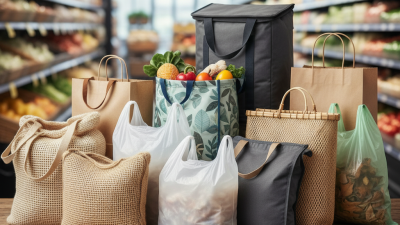
It's essential to recognize the lifecycle of these bags. Production requires fossil fuels, and their incineration releases harmful toxins. The biodegradation timeline for plastic bags can exceed 500 years, posing risks to wildlife and ecosystems. However, alternatives like reusable containers often demand more resources upfront, which can counterbalance their benefits over time. Educating consumers on proper disposal methods and encouraging recycling participation could mitigate some negative impacts.
In considering convenience versus sustainability, it’s vital to understand personal responsibility. The choice to use plastic products must involve weighing their practicality against their environmental cost. This assessment forms a crucial part of living sustainably in a plastic-centric world. Ultimately, improving our handling of ziplock bags can lead to more responsible consumption and waste management.
Versatility of Ziplock Bags for Travel and On-the-Go Solutions
Ziplock bags have gained popularity not only in kitchens but also as essential travel tools. Their lightweight design allows for easy packing in suitcases and backpacks. According to the 2022 Travel Product Survey, 72% of travelers reported using ziplock bags for organizing their belongings on the go. They effectively separate liquids, snacks, and chargers, ensuring a mess-free experience.
When traveling, consider using different sizes of ziplock bags.
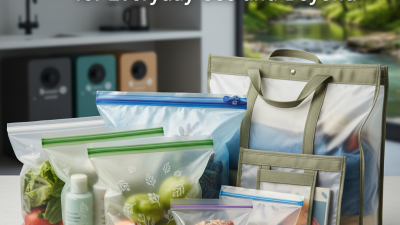
Small bags can hold toiletries like shampoo and lotion, preventing leaks. Medium bags are perfect for snacks, keeping food fresh and accessible. Large bags can store clothing or shoes, grouping items neatly. A notable statistic shows that 60% of travelers appreciate the stay-organized feature of ziplock bags.
Tips: Always check that your ziplock bags are securely closed before placing them in your luggage. Consider labeling them for quick identification during your journey. While ziplock bags are convenient, remember they are single-use products. Strive to reuse them when possible to minimize waste.