China Top Zipper Bags Manufacturers for Global Buyers
China Top Zipper Bags Manufacturers for Global Buyers
Zipper Bags are becoming a practical choice for food, household, medical, and industrial packaging. Their resealable closure protects contents from moisture, dust, and repeated handling. Buyers also value their light weight and compact storage. The details matter.
The Smithers report, The Future of Flexible Packaging to 2028, identifies continued growth in flexible packaging. It highlights convenience, material efficiency, and improved barrier performance as key market drivers. The Flexible Packaging Association’s industry reports also show strong demand for lightweight formats. Zipper Bags fit this shift, but performance differs widely between suppliers. A clear film may look attractive, yet fail under cold storage or rough transport.
Alison Keane, a recognized flexible-packaging industry leader and former president of the Flexible Packaging Association, has described flexible packaging as “the most resource-efficient packaging format available today.” That view supports careful product selection, not careless promotion. Leading Chinese manufacturers increasingly offer multilayer films, custom printing, tear notches, slider closures, and food-contact documentation. Some factories also provide production audits, batch testing, and traceable samples. These practices help global buyers assess more than price.
However, no supplier should be judged by a catalog alone. Buyers need evidence. Check seal strength, zipper durability, odor control, barrier data, and shipment consistency. Ask for test reports and production samples. Review the factory’s experience with similar products. Sustainability claims also require scrutiny, because a recyclable structure may need suitable local collection systems. This guide examines China’s top Zipper Bags manufacturers through quality, customization, compliance, communication, and long-term reliability. Mistakes still happen. A strong sourcing process reduces them.
What Zipper Bags Are and Why Global Buyers Source Them from China
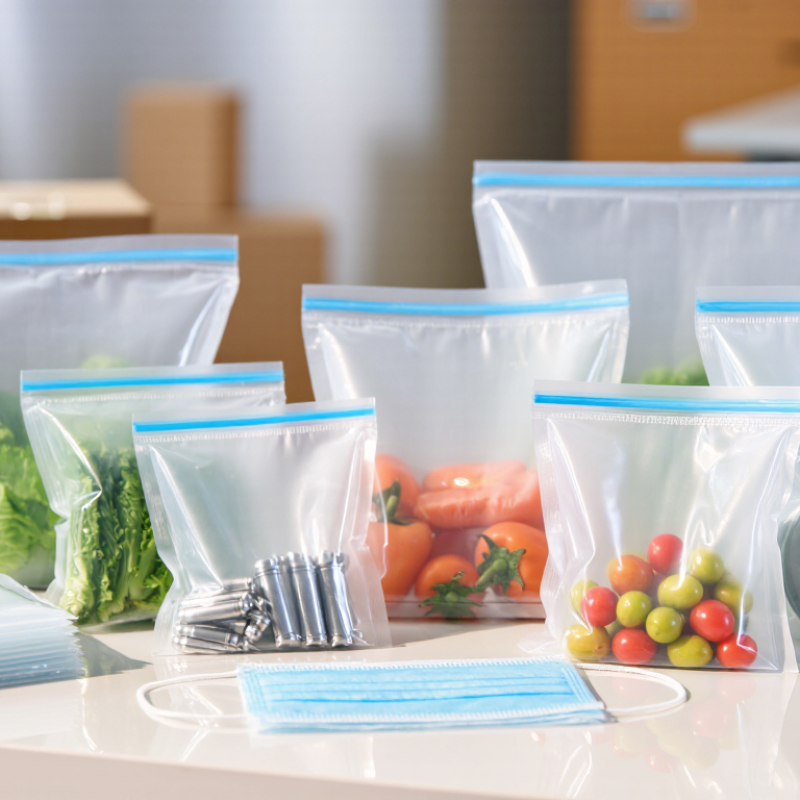
Zipper bags are flexible pouches with a resealable plastic track. They are commonly made from polyethylene, polypropylene, or laminated films. The closure helps protect contents from moisture, dust, and repeated handling. Their flat shape also reduces storage space and shipping volume. According to Grand View Research, the global flexible packaging market reached USD 261.4 billion in 2022. It is projected to grow at a 4.7% compound annual rate through 2030. Zipper bags benefit from this wider shift toward convenient packaging.
Global buyers source zipper bags from China because the manufacturing network is broad and adaptable. Many factories combine film extrusion, printing, lamination, bag making, and quality inspection. This can simplify supply coordination. Buyers can also request custom dimensions, zipper colors, barrier layers, and small trial orders. Smithers reports continued growth in flexible packaging demand, driven by convenience and lightweight formats. However, lower pricing should not be the only decision. Weak seals, uneven edges, or inaccurate measurements can create costly returns. I have seen samples look excellent, while bulk production needed correction.
Tips: Request production samples and seal-strength data. Check thickness at several points. Confirm food-contact or product-safety documents when required. Ask for migration testing, carton specifications, and inspection records. A factory audit is useful, but it is not perfect. Independent pre-shipment inspection adds another layer of reliability. Clear artwork files and written tolerances prevent many avoidable disputes.
How to Identify Reliable Zipper Bag Manufacturers in China
Reliable zipper bag manufacturers in China should prove performance, not merely display attractive samples.
Grand View Research valued the global flexible packaging market at about
USD 283.5 billion in 2023.
It also expects continued growth through 2030. This pressure encourages lighter films and faster production. Buyers should therefore inspect
sealing strength, zipper alignment, film thickness, and leakage results.
Ask for recent batch records, not generic certificates. A dependable factory can provide ISO 9001 procedures, food-contact declarations where relevant, migration-test reports, and clear material specifications.
Request samples from three production batches. Compare
zipper smoothness, seal width, odor, transparency, and drop resistance.
Small details matter. A bag that opens unevenly during packing can create expensive labor problems.
Visit the factory or arrange a verified third-party audit.
Check extrusion lines, clean storage areas, calibration labels, and finished-goods traceability. Smithers’ flexible packaging research highlights material efficiency and downgauging as major industry directions.
However, thinner film is not automatically better. I would question any supplier promising lower cost without sharing puncture and tensile data.
A polished showroom can mislead. Payment terms, complaint handling, corrective-action records, and production lead times also reveal operational maturity.
Reliability is often visible in what the manufacturer is willing to document.
Materials, Production Standards, and Customization Options
China-based zipper bag manufacturers serve global buyers with flexible material choices and controlled production processes. Common structures include PE, CPP, PET/PE, and nylon/PE laminates. Each option affects clarity, strength, odor resistance, and sealing performance. A thicker film is not automatically better.
Experienced buyers should request material specifications, thickness tolerance, and migration test reports when bags contact food or cosmetics. Requirements may vary by destination market.
Reliable factories usually maintain documented quality systems, incoming material checks, and batch traceability. Production teams should inspect zipper alignment, seal width, printing accuracy, and bag dimensions during manufacturing.
Customization can include size, gusset depth, zipper color, hang holes, rounded corners, matte surfaces, and printed artwork. Reusable sliders may improve convenience, but they can raise unit costs and require extra durability testing. I have seen attractive samples fail during repeated opening tests. That detail matters.
Factories should test seal strength, leak resistance, drop performance, and zipper cycles before shipment. Buyers can also approve a pre-production sample and retain a sealed reference sample. Communication still needs improvement sometimes, especially when artwork files lack bleed lines or color references. Clear drawings, realistic tolerances, and written inspection criteria reduce that risk. Small details prevent expensive rework.
Key Types of Chinese Zipper Bag Manufacturers and Their Strengths
China Top Zipper Bags Manufacturers for Global Buyers
Key Types of Chinese Zipper Bag Manufacturers and Their Strengths
Chinese zipper bag manufacturers usually serve different purchasing needs. Large export-oriented factories offer stable production, advanced sealing lines, and detailed quality records. They suit distributors requiring repeat orders and consistent dimensions. Their strength is process control. However, their minimum order quantities can be high.
Specialized custom manufacturers focus on printed bags, unusual sizes, reinforced zippers, or multi-layer films. They often provide faster sampling and closer design support. A buyer can test a small prototype before approving mass production. This flexibility helps private-label packaging projects. It may also create more variables, so artwork proofs and color samples deserve careful review.
Some integrated packaging suppliers combine film production, bag making, printing, and inspection. Fewer outside processes can reduce communication errors and shorten lead times. Material-focused factories may offer recyclable structures or lightweight designs, supported by technical data and supplier declarations. Claims still need verification. Ask for thickness reports, zipper opening tests, seal-strength results, and batch inspection records. Check whether documents match the actual product.
A factory visit can reveal practical details. Observe clean storage, calibrated equipment, and labeled raw materials. Ask how defective bags are separated. Small details matter. I have found that a polished sample does not always represent steady production. Trial orders, independent inspections, and clear tolerances reduce that risk. Suppliers should also explain packaging, shipping protection, and complaint handling before contracts are signed.
China Top Zipper Bag Manufacturers for Global Buyers
This comparative chart summarizes the typical strengths of major Chinese zipper bag manufacturer types.
The scores are relative industry benchmarks on a 1–10 scale, reflecting common capabilities in customization,
production volume, barrier performance, order flexibility, and sustainability options rather than the performance of any individual company.
How Global Buyers Can Compare, Verify, and Order Suppliers
Global buyers comparing China’s zipper bag manufacturers should begin with evidence, not attractive quotations. Smithers’ 2024 report, The Future of Flexible Packaging to 2029, estimates the global flexible packaging market at more than US$200 billion. That scale creates many suppliers, but quality varies widely. Request a factory profile, production photos, export references, and a current quality certificate. Check whether the certificate matches the legal company name and factory address.
Ask for a sample set with identical specifications.
Measure bag length, film thickness, zipper engagement, seal width, and opening force. Request test results for seal strength and leakage, using methods such as ASTM F88 and ASTM D3078 where suitable. A serious supplier should explain test conditions, not only send a polished PDF. Confirm resin type, food-contact documentation when applicable, carton dimensions, and actual lead time. Small details matter.
Ordering should follow a controlled sample approval process. Record the approved material, zipper color, printing tolerance, packing method, and acceptable defect rate. OECD’s Global Plastics Outlook reported that only about 9% of plastic waste was recycled globally in 2019, so buyers should also ask about recycled content claims and end-of-life instructions. These claims need evidence. Vague sustainability language is not verification. I still treat the first quotation as a hypothesis, not a decision. A low price may reflect thinner film, weaker seals, or incomplete testing. Use a pre-shipment inspection and retain sealed reference samples before releasing the balance payment.