What Are the Top Types of Plastic Bags for Global Buyers?
Choosing the right Plastic Bags begins with the product, not the cheapest quotation. Grocery retailers, exporters, and industrial buyers need different performance. LDPE bags offer flexibility and puncture resistance. HDPE bags provide stiffness, strength, and efficient packing. Recycled-content bags can reduce virgin plastic demand, while reusable bags support repeated shopping cycles. Compostable bags may suit controlled organic-waste systems, but they require suitable collection and processing facilities. The label alone proves little.
The OECD’s Global Plastics Outlook reported that global plastic waste reached 353 million tonnes in 2019, while only 9% was ultimately recycled. The United Nations Environment Programme estimates that more than 430 million tonnes of plastic are produced annually, with roughly two-thirds becoming short-lived products. These figures make material selection a procurement decision, not merely a packaging choice. Thickness, seal strength, recycled content, printing quality, and end-of-life routes should be tested together. A bag that tears beside a warehouse pallet creates waste before reaching the customer.
Plastics expert Dr. Jenna Jambeck has emphasized, “We are not going to recycle our way out of the plastic pollution crisis.” Her warning remains practical for global buyers. Recycling matters, but reduction, reuse, reliable design, and verified supply chains matter too. Buyers should request test results, composition records, and credible certification. Even then, uncertainty remains. Local infrastructure can change the environmental outcome. The best Plastic Bags choice is therefore application-specific, measurable, and honestly reviewed.
Plastic Bag Types: Materials, Structures, and Common Uses
What Are the Top Types of Plastic Bags for Global Buyers?
Plastic Bag Types: Materials, Structures, and Common Uses
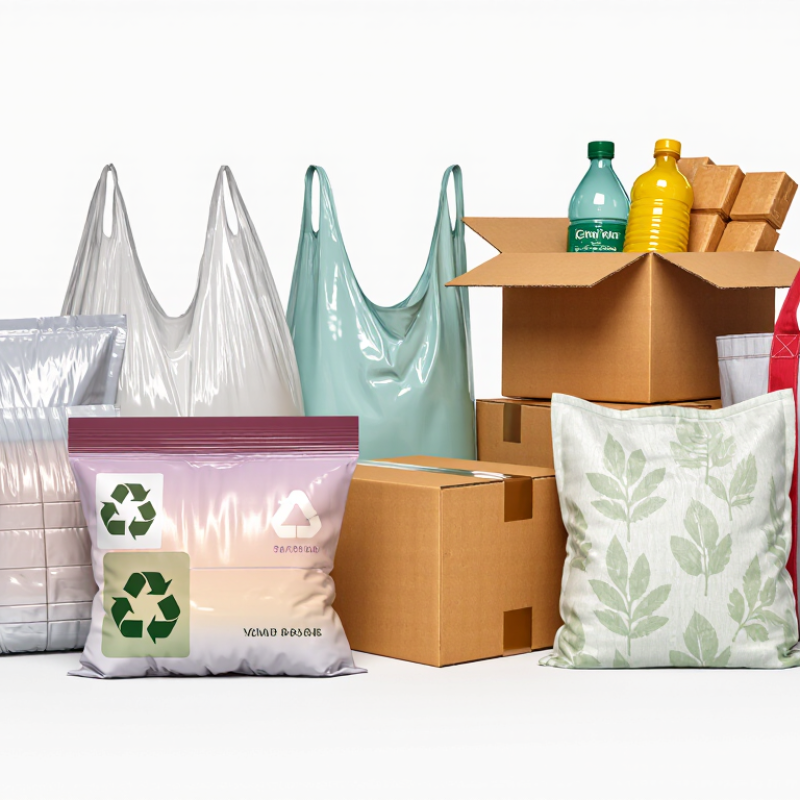
Global buyers usually compare plastic bags by material, structure, and intended use. Polyethylene remains common because it is flexible, lightweight, and moisture resistant. Low-density polyethylene creates soft bags for garments, food packaging, and household storage. High-density polyethylene feels firmer and suits grocery bags, produce bags, and refuse liners.
It depends. Film thickness affects strength, clarity, cost, and handling. A thicker bag may resist sharp edges better, but it also uses more material. Buyers should request samples and test seals, handles, puncture resistance, and load capacity. In sourcing projects, I have seen attractive samples fail when filled with uneven products. That trade-off matters.
Bag structure also changes performance. Flat bags work well for simple packing, while gusseted bags expand for bulky goods. T-shirt handles improve carrying convenience, and drawstring closures support repeated access. Some buyers choose recycled-content or compostable materials, but performance can vary with heat, moisture, and storage time. Clear specifications should state dimensions, tolerance, material blend, printing requirements, and destination-market rules. A perfect bag is rarely perfect. Testing conditions may not match warehouse reality, especially in humid or cold regions. Independent inspections can verify production consistency before shipment, although inspections cannot replace practical use trials.
How to Compare Plastic Bags by Strength, Size, and Function
What Are the Top Types of Plastic Bags for Global Buyers?
Choosing plastic bags starts with the job, not the appearance. HDPE bags are light and stiff, making them suitable for retail packaging and liners. LDPE bags feel softer and stretch better around irregular products. PP woven bags offer higher load strength for grains, powders, and industrial materials. Reusable bags need stronger handles and reinforced seams. Compostable options may suit specific waste systems, but performance can vary in heat and moisture.
Compare strength through film thickness, tensile performance, tear resistance, and seal quality. A thicker bag is not always stronger. Poor sealing can cause failure before the film tears. ISO 527 and ASTM D882 provide recognized methods for testing tensile properties. Size should include product volume, headspace, and closure space. A bag packed too tightly may split at the corners. In sourcing trials, dropping filled samples onto concrete often reveals weaknesses that laboratory figures miss. That test is simple, but not perfect.
Tips: Request samples with exact dimensions and thickness. Test filled bags at low and high temperatures. Check handle strength separately. For heavier products, compare seam construction, not only material weight. The OECD’s Global Plastics Outlook reported 353 million tonnes of plastic waste in 2019, with packaging responsible for 142 million tonnes. This highlights why function, reuse potential, and material efficiency deserve equal attention. Buyers should also verify recycled-content claims through supplier records and independent testing. Specifications can still be misunderstood. Ask twice.
Top Plastic Bag Types for Global Buyers
The chart compares representative load capacities for widely used plastic bag types. Actual performance varies with resin grade, thickness, bag dimensions, sealing method, temperature, and handling conditions.
HDPE T-Shirt Bags
Typical size: 30 × 40 cm. Best for retail checkout and lightweight groceries.
LDPE Flat Bags
Typical size: 25 × 35 cm. Suitable for garments, bakery items, and general inner packaging.
LDPE Garbage Bags
Typical size: 60 × 80 cm. Designed for household, commercial, and industrial waste collection.
Woven PP Sacks
Typical size: 50 × 80 cm. Used for rice, grain, fertilizer, chemicals, and bulk materials.
Reusable PP Woven Bags
Typical size: 35 × 45 cm. Suitable for repeated shopping and carrying heavier goods.
Load-capacity figures are representative industry ranges expressed as midpoints for comparison: HDPE t-shirt bags 5–15 kg, LDPE flat bags 3–10 kg, LDPE garbage bags 10–30 kg, woven PP sacks 25–50 kg, and reusable PP woven bags 15–30 kg.
Top Plastic Bag Options for Retail, Food, Industrial, and Shipping Needs
Retail buyers usually choose HDPE or LDPE bags for everyday checkout needs.
HDPE feels crisp and supports lightweight merchandise. LDPE bends better around clothing, gifts, and irregular items. The best choice is rarely the thinnest bag. That assumption deserves reconsideration. The OECD reported that only 9% of global plastic waste was recycled in 2019. Material efficiency matters, but durability also prevents premature tearing and replacement.
Food businesses need bags with suitable food-contact documentation, strong seals, and clear traceability. Fresh produce often suits perforated film, while bakery and takeaway products may need stronger LDPE or multilayer structures.
Industrial users commonly select woven polypropylene sacks for heavier powders, parts, or agricultural materials. Shipping operations often use coextruded polyethylene mailers, especially when moisture resistance and low weight matter.
According to the United Nations Environment Programme, global plastic production exceeds 430 million tonnes annually, with roughly two-thirds used for short-lived products. That figure makes disposal planning impossible to ignore.
Tips: Match thickness to load, drop distance, and handling conditions. Request migration tests for food packaging. Ask suppliers for recycled-content evidence, tensile data, and transparent origin records. Check local packaging rules before purchase. Recycled material can vary in color and performance. It may also require stronger quality controls. A practical trial with real products is more reliable than a catalog claim.
Sources: OECD, Global Plastics Outlook, 2022; UNEP, Turning off the Tap, 2023.
Sustainability Factors: Recyclability, Reusability, and Biodegradable Choices
Global buyers compare plastic bags by more than price, thickness, and printing quality.
Sustainability begins with the bag’s full life cycle, from resin selection to disposal. Recyclable bags can perform well when local collection systems accept their material. A recyclable label means little if the bag reaches a landfill. Check resin identification, recycled content, and clear sorting instructions. Ask suppliers for test reports, not broad environmental promises.
Reusable bags are often effective for grocery, apparel, and industrial packing.
Their value depends on repeated use, not appearance alone. A sturdy handle, reinforced seam, and washable surface can extend service life. Buyers should estimate realistic reuse cycles and transport weight before choosing thicker formats. A heavy bag may need many uses to offset its added material. That calculation is easy to overlook.
Biodegradable options require careful evaluation.
Some break down only under controlled industrial composting conditions, not in household bins or open soil. Moisture, heat, and additives can change performance during storage. Request certificates, degradation test methods, and disposal guidance from qualified suppliers. Packaging claims should match the destination market’s accepted standards. There is no perfect choice. In practice, buyers may combine recycled content, durable design, and accurate end-of-life instructions. Field experience often shows that honest limitations build more trust than dramatic claims. Review the decision after real customer use, because laboratory results cannot reveal every handling problem.
Global Buying Guide: Standards, Customization, and Supplier Selection
What Are the Top Types of Plastic Bags for Global Buyers?
Global Buying Guide: Standards, Customization, and Supplier Selection
Global buyers commonly choose shopping bags, courier bags, garbage bags, produce bags, and heavy-duty sacks. Each type serves a different handling condition. Shopping bags need reliable handles and balanced load strength. Courier bags require secure seals, opaque layers, and tear resistance. Produce bags often need clarity, softness, and suitable food-contact documentation. Material choice matters.
Standards vary by destination, product use, and environmental claims. Buyers should confirm thickness, tensile strength, sealing performance, and printing durability. Food-related applications may require migration testing and traceable raw materials. Recycled-content claims need supporting records, not attractive wording alone. Local packaging rules can change. Check them before production.
Customization includes size, gusset depth, handle style, color, surface finish, and artwork. A sample should match the final film structure. Otherwise, the approval may be misleading. A glossy finish can look premium but show scuffs after long sea transit. Ask suppliers for pre-production samples, test reports, certificates, and batch records. Review factory capacity, minimum order quantity, lead time, packing method, and quality controls. Confirm carton dimensions and moisture protection for overseas shipping. Small details become expensive later. A common mistake is choosing the lowest unit price before comparing waste, defects, and replacement risk. Supplier selection should balance documentation, communication, production consistency, and realistic delivery promises.