2026 Top Zipper Bags Trends You Need to Know?
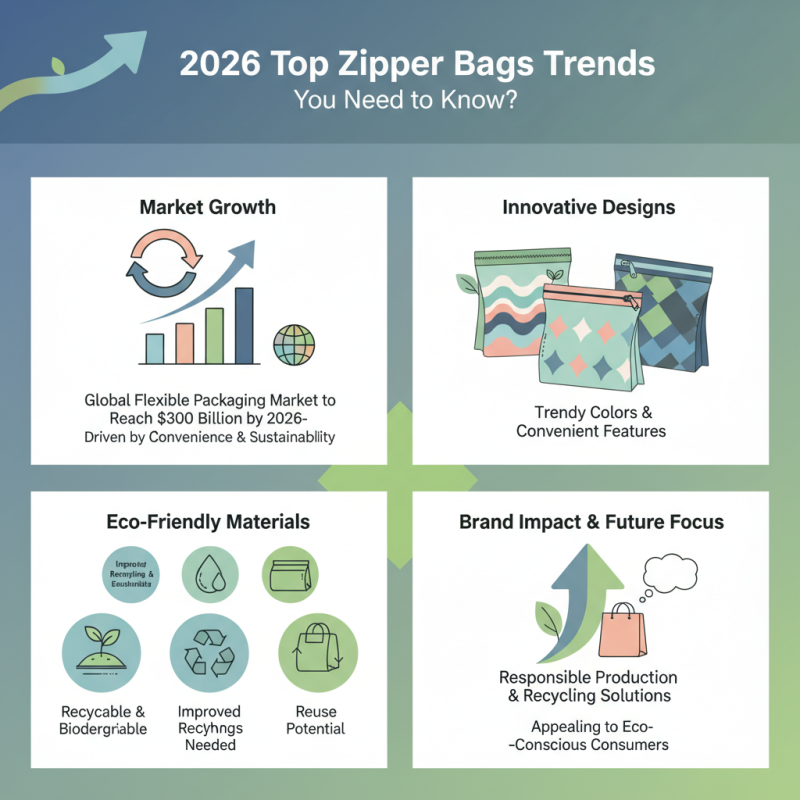
The zipper bags industry is evolving rapidly, driven by consumer demand for convenience and sustainability. According to a recent report by Smithers Pira, the global flexible packaging market, which includes zipper bags, is projected to reach $300 billion by 2026. This growth highlights the increasing importance of innovative designs and eco-friendly materials in the packaging sector.
As more brands prioritize sustainability, zipper bags are adopted for their functionality and reuse potential. They serve various purposes, from food storage to cosmetic packaging. However, the need for improved recycling methods remains a challenge. Many consumers still dispose of these bags improperly, leading to environmental concerns.
Staying ahead of trends is crucial in this competitive landscape. Emerging designs leverage trendy colors and convenient features, appealing to an eco-conscious demographic. These changes signal a dynamic shift in consumer preferences. However, brands must also reflect on their impact. Offering solutions that emphasize recycling and responsible production can set them apart. Understanding these trends will be essential for anyone invested in the zipper bags market.
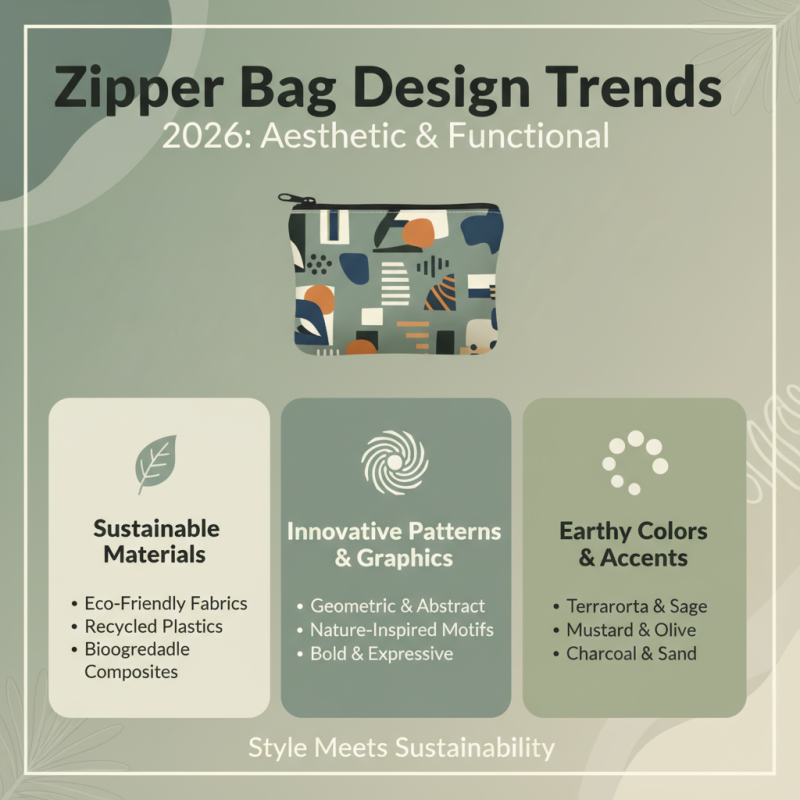
Innovative Materials in Zipper Bag Production for 2026
In 2026, zipper bag production will see tremendous innovation. The use of
sustainable materials is at the forefront. Research from the Flexible Packaging Association indicates that
55% of consumers prefer eco-friendly options. Biodegradable plastics and recycled materials are becoming mainstream.
These materials reduce environmental impact significantly while maintaining durability.
The demand for customization is also on the rise. According to a report by Smithers Pira, personalized packaging accounts for
over 30% of the packaging market. Zipper bags made from transparent, recyclable materials allow brands to showcase their products effectively.
This trend highlights a shift toward enhanced consumer engagement. However, quality control and sourcing challenges remain.
Technological advancements are revolutionizing production methods.
Solar-powered manufacturing processes are gaining traction. Industry experts suggest that such innovations can reduce
energy consumption by up to 40%. Nonetheless, adapting to these technologies requires investment and time.
Companies must weigh the benefits against the costs to remain competitive.
Sustainable Practices: Eco-Friendly Zipper Bags and Their Impact
Sustainable practices have become crucial in the packaging industry. Eco-friendly zipper bags are gaining popularity. According to a recent industry report, the demand for sustainable packaging is expected to grow by over 20% in the next five years. Consumers are more mindful of their environmental impact. They often choose options that reduce plastic waste.
Eco-friendly zipper bags can be made from recycled materials or biodegradable substances. This shift not only helps the environment but also supports a circular economy. However, the production of truly sustainable materials presents challenges. Some biodegradable options still require industrial composting to break down effectively. This reality can lead consumers to believe they are helping when they may not be.
To truly make an impact, education is needed. Many consumers still lack the knowledge about the differences between standard and eco-friendly options. As brands adopt more sustainable practices, transparency in sourcing materials is vital. This data helps consumers make informed choices. Quality must not be compromised for sustainability. Balancing these aspects is critical for the future of zipper bags.
Market Analysis: Demand and Popularity of Zipper Bags in 2026
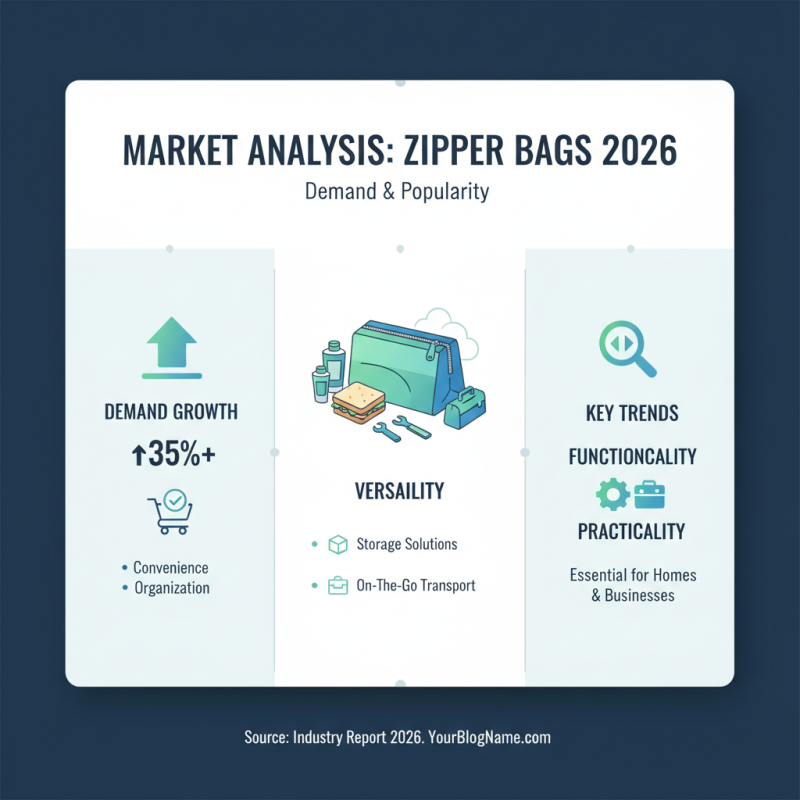
The demand for zipper bags in 2026 is seeing notable growth. Consumers increasingly value convenience and organization in their everyday lives. Zipper bags are versatile, catering to both storage and transport needs in various settings. This shift underscores a broader trend: functionality and practicality are becoming essential for households and businesses.
Market analysis suggests that sustainability is also a driving factor. Many consumers are seeking eco-friendly options. Brands that offer biodegradable or reusable zipper bags are gaining attention. However, there’s still confusion about what truly defines "green" products. Not all claims are clear or trustworthy.
The popularity of zipper bags is reflected in their usage across different demographics. Parents favor them for lunches and snacks, while outdoor enthusiasts appreciate their durability. Yet, some individuals find them difficult to recycle properly. Education on proper disposal methods is needed to enhance their eco-friendliness. As the market evolves, addressing these concerns will be crucial for brands to maintain credibility.
Technological Advancements: Smart Features in Next-Gen Zipper Bags
The world of zipper bags is rapidly evolving. Technological advancements are transforming these everyday items. Next-gen zipper bags now come with smart features that enhance functionality. Reports show that the smart packaging market is expected to grow significantly, potentially reaching $50 billion by 2027. This growth reflects consumer demand for innovation in everyday products.
Recent studies highlight that over 70% of consumers are interested in eco-friendly zipper bags with smart tracking capabilities. Imagine a bag that can notify you when it’s left behind or if it’s time to refill its contents. These bags often incorporate sensors that monitor temperature and humidity. Such functionalities are appealing to food storage and shipping businesses. According to industry research, the implementation of smart features can reduce waste by up to 30%.
Despite these advancements, challenges remain. The complexity of integrating technology with traditional bag designs raises manufacturing costs. Concerns also linger about the durability of smart features. Users seek reliability alongside innovation. Balancing these aspects is crucial for market acceptance. As the industry progresses, maintaining quality while embracing new technologies will be necessary for success.
2026 Top Zipper Bags Trends: Smart Features in Next-Gen Zipper Bags