How to Use Zipper Bags for Food Storage and Organization?
Zipper bags have become indispensable for food storage and organization. These versatile bags are designed to keep food fresh. They are easy to use, and available in various sizes.
Many people underestimate their potential. Zipper bags can do more than just hold snacks or leftovers. They are great for meal prepping, portioning ingredients, and organizing your fridge or pantry. However, keeping them organized can be a challenge.
Sometimes, bags get torn or the seal fails. It's important to inspect them regularly for effectiveness. When used properly, zipper bags can transform your food storage routine. They provide a simple way to maintain freshness and organization.
Benefits of Using Zipper Bags for Food Storage
Zipper bags offer a practical solution for food storage and organization. They are lightweight and easy to use. These bags come in various sizes, which adds to their versatility. You can store snacks, fruits, leftovers, or even meal preps with ease. The airtight seal helps keep food fresh longer. Imagine biting into a crisp apple days after buying it. That’s the freshness zipper bags can help preserve.
Using zipper bags can make your kitchen organized. You can categorize items by type or meal. It’s easy to stack them and save space. However, some may find it hard to keep track of what's inside. Labeling the bags can help. But not everyone does it, which can lead to confusion. A little planning goes a long way in maximizing their benefits.
Another benefit is that they are reusable. This reduces waste, but users often forget to clean them properly. Bacteria can build up if bags aren't washed and dried correctly. Rinse them thoroughly after each use to avoid this issue. Zipper bags can simplify kitchen tasks and promote food safety, but only if you take a few cautious steps.
Choosing the Right Type of Zipper Bags for Your Needs
Choosing the right type of zipper bags is crucial for effective food storage and organization. Consider the size of the items you plan to store. Smaller bags are ideal for snacks, while larger bags work well for bulk items. If you're storing liquids, look for sturdier options that can handle spills. The durability of the bags matters. Thinner bags may tear easily and lead to messes.
Take time to think about how often you’ll use these bags. If you plan to reuse them, consider those that are dishwasher safe. This feature can save you time and reduce waste. Look for bags that seal tightly. A loose seal can let air in, spoiling the food. Be mindful of the materials used too. Some bags are not suitable for freezing or microwave use. Check the compatibility to avoid any surprises.
Reflect on your storage habits. Do you often forget what’s inside? Labeling bags can help. Additionally, you might want to categorize foods. Grouping similar items together reduces clutter in your kitchen. Understand that not all storage solutions are perfect. You might find bags that don’t meet expectations sometimes. Learning and adjusting can lead to better organization in the long run.
Step-by-Step Guide to Organizing Food in Zipper Bags
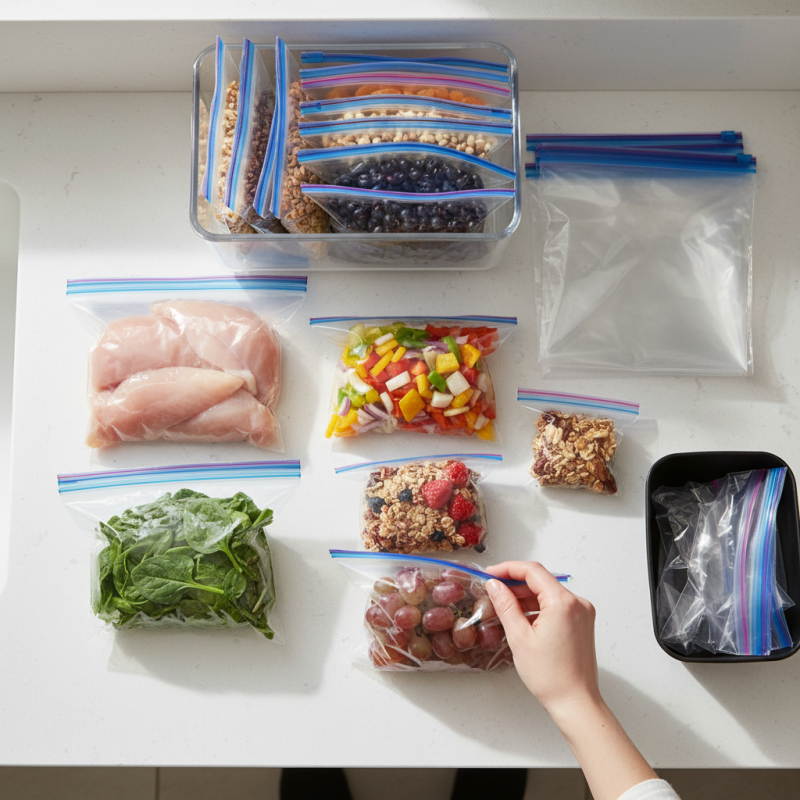
Organizing food with zipper bags can transform your storage routine. According to a recent study, effective food organization can reduce waste by 30%. This is significant, especially when we consider that Americans waste about 30% to 40% of the food supply annually. Using zipper bags allows you to keep meals fresh and visible. Start by prepping your ingredients. Chop vegetables and portion out snacks. Put these items in labeled zipper bags for easy access.
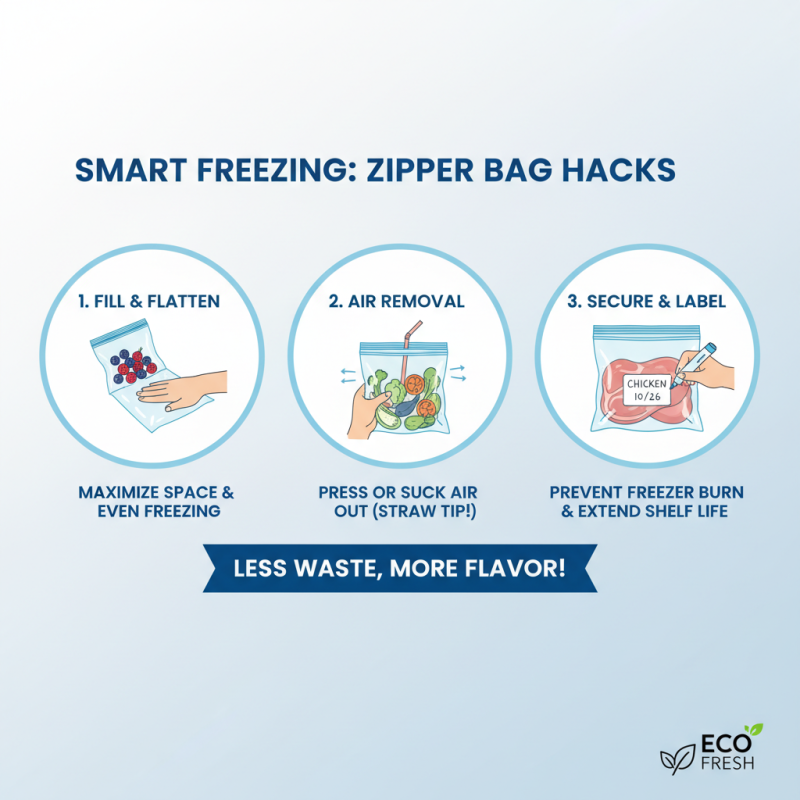
When organizing, be mindful of how bags are filled. Avoid overstuffing them. This can lead to spills and food spoilage. Choose appropriate sizes based on the food type. For example, use smaller bags for herbs and larger ones for bulk grains. Tips like pressing out excess air before sealing can extend freshness, too.
Keep bags in clear bins or drawers. This visibility encourages healthy choices. However, if you don't take time to organize, it can lead to clutter and wasted items. Regularly check bag contents for freshness. Don’t hesitate to toss expired items. This ensures your storage remains effective and efficient. Overall, incorporating zipper bags into your kitchen routine can save time and reduce food waste with thoughtful organization.
How to Use Zipper Bags for Food Storage and Organization? - Step-by-Step Guide to Organizing Food in Zipper Bags
| Food Item |
Recommended Bag Size |
Storage Tips |
Usage Duration |
| Frozen Vegetables |
Quart Size |
Remove excess air to prevent freezer burn. |
Up to 12 months |
| Marinated Meats |
Gallon Size |
Seal tightly and lay flat in the freezer for even freezing. |
Up to 6 months |
| Dried Fruits |
Quart Size |
Store in a cool, dry place; keep away from moisture. |
Up to 1 year |
| Cheese |
Quart Size |
Wrap in parchment paper before putting in the bag. |
Up to 6 months |
| Snacks (e.g., nuts) |
Quart Size |
Keep away from heat and direct sunlight. |
Up to 6 months |
Tips for Properly Sealing and Storing Food in Zipper Bags
Zipper bags are versatile tools for food storage. To seal food properly, press out as much air as possible before sealing the bag. This helps prevent freezer burn and extends shelf life. A simple tip: use a straw to suck out extra air. It’s quick and effective. Just remember to seal the bag securely afterward.
When organizing food, label each bag with the contents and date. This practice can save time and reduce waste. Make sure to store bags in an accessible location. If bags get lost in clutter, it defeats the purpose. Be mindful not to overcrowd them, as this can lead to spills or damage.
After using zipper bags, reflect on their lifecycle. Consider reusing them for non-food items, but always clean them thoroughly. Not everyone does this, but it’s an important step to enhance sustainability. Keeping things organized can feel chaotic, and imperfect efforts can still lead to better habits over time.
Creative Ways to Use Zipper Bags Beyond Food Storage
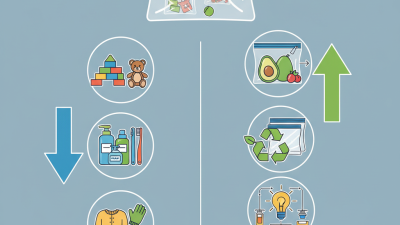
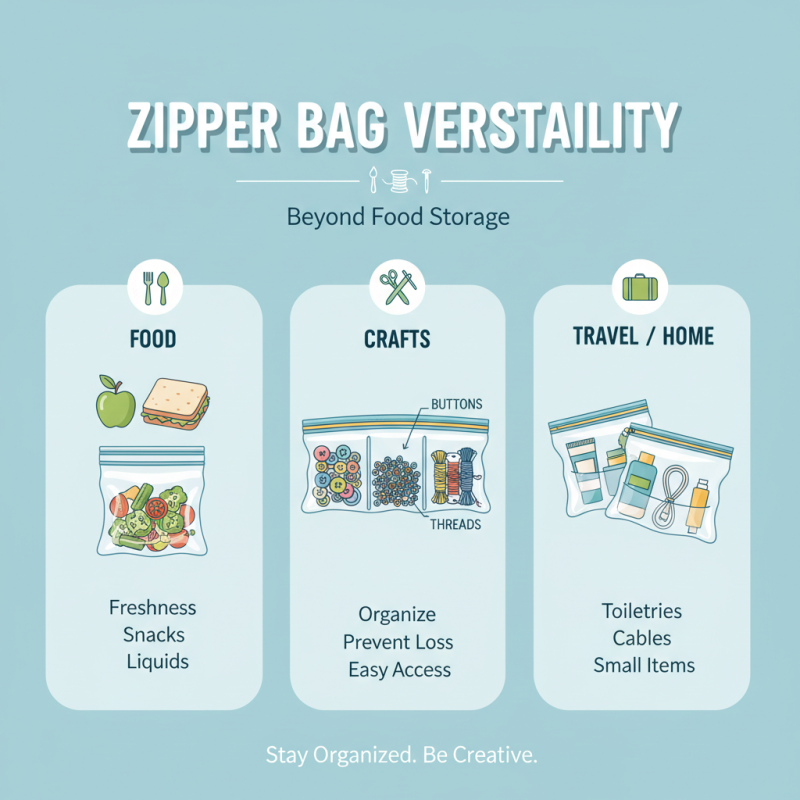
Zipper bags are often seen as mere food storage solutions, but their versatility extends far beyond perishables. One creative use is for organizing craft supplies. Use small bags to hold buttons, beads, and thread. Label each bag for easy access. This approach keeps everything neat and prevents small items from getting lost.
Consider using zipper bags for travel too. They can help separate toiletries or keep electronics organized. Use one bag for chargers and another for cables. This not only saves space but makes packing easier. However, be mindful of overpacking. Sometimes, less is more.
Tips: Try to use different sizes of bags to cater to various items. Clear bags allow you to easily see contents, but be cautious. The transparency may lead to packing too much, burdening your luggage. Regularly assess what you truly need versus what you think you might use. Create specific categories for greater efficiency.