







News
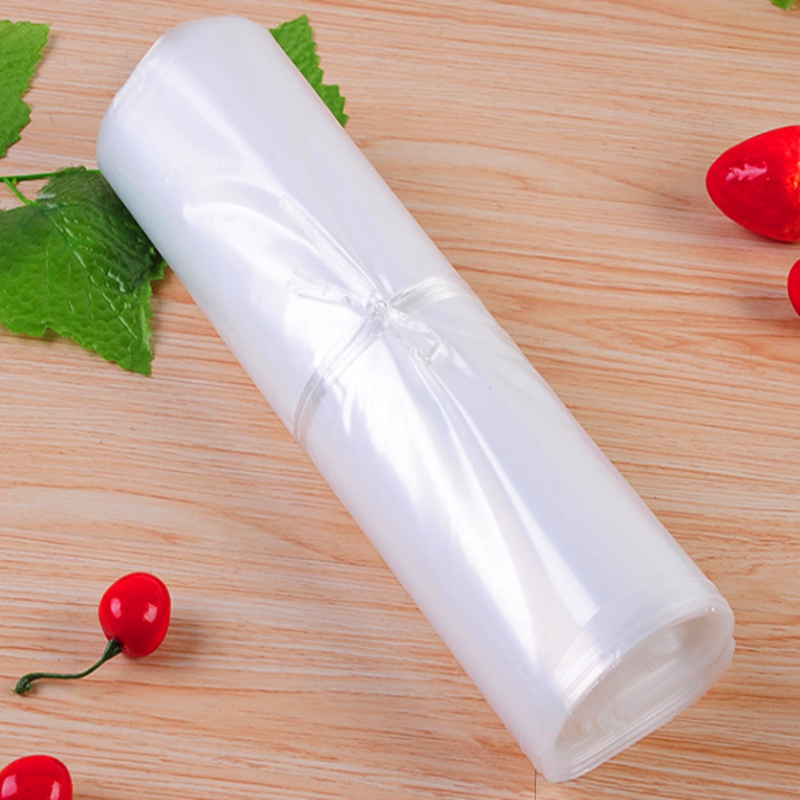
Food-Grade PE Vest Bags: A Safe, Convenient, and Sustainable Food Packaging Choice
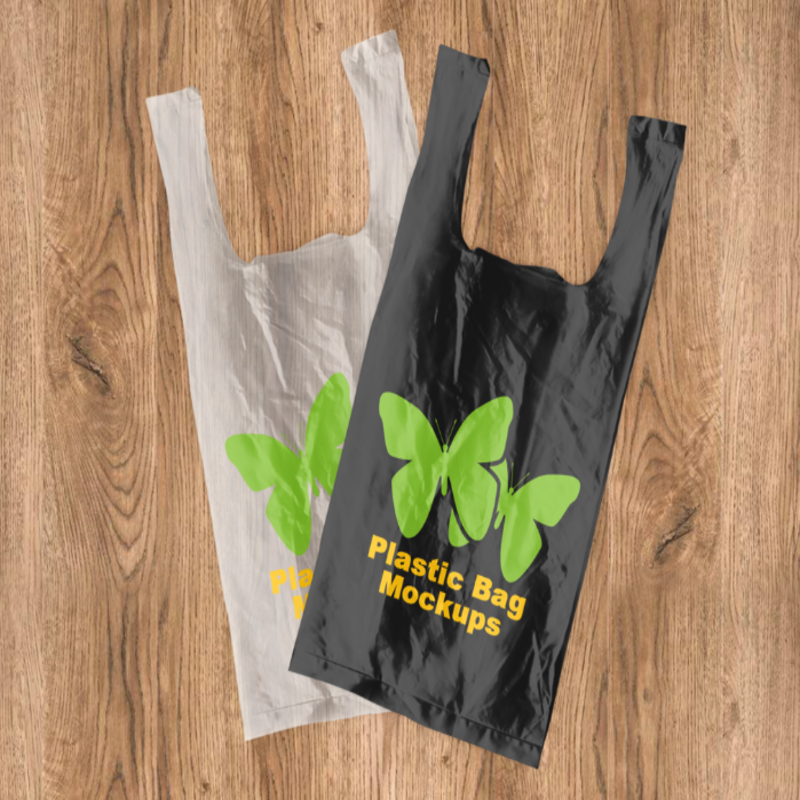
In daily life and commercial activities, food packaging plays a vital role in ensuring safety, improving efficiency, and delivering value. Among various packaging materials, food-grade PE (polyethylene) Vest Bags have become an indispensable partner in fresh retail, food delivery, and household storage due to their unique properties and wide range of applications. They represent not only mature and reliable technology but also reflect a deep concern for consumer health and experience. This article will provide a comprehensive analysis of food-grade PE vest bags as a modern packaging solution that balances protection, convenience, and sustainability, covering four aspects: material safety, functional design, diverse applications, and environmental trends.

Production Process and Environmental Protection Guidelines for PE Garbage Bags
Polyethylene (PE), as the main raw material for Garbage Bags, its quality directly affects the product performance. During production, it is necessary to select PE with different densities according to the intended use of the garbage bags, such as household, commercial or industrial use.

The Present and Future of the Plastic Processing Industry: Seeking Breakthroughs Amid Challenges
From its difficult start to now occupying an important position in the global plastic field, China's plastic processing industry has gone through a long development process. Today, China has become a major plastic country with the world's largest output, consumption and exports. However, the path forward for the industry is not smooth, as it is currently facing many tough problems that urgently require transformation and breakthroughs.

The Complete Manufacturing Process of Plastic Bags-1
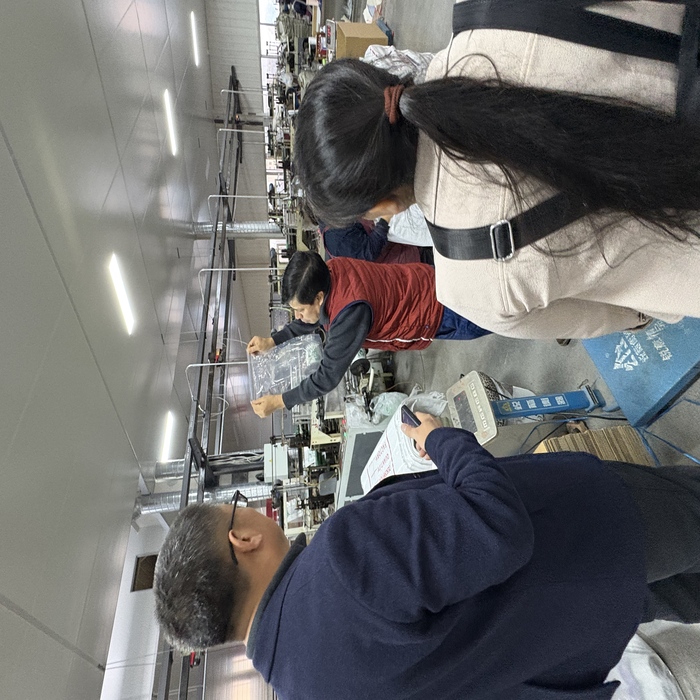
Plastic bags are made from resins such as polyethylene through processes including raw material preparation, film blowing, bag making, and quality inspection. Through melting, shaping, cooling, and setting processes, polymer materials are transformed into flexible and sealable films, which then undergo cutting, sealing, and other treatments to finally form practical packaging products suitable for various scenarios.

Plastic Degradation Technology: A Green Hope for Relieving the Earth's Burden
The plastic degradation technologies as a solution to severe plastic pollution. It highlights applications across agriculture, with degradable films from Kingfa and Kaishun aiding sustainable farming; packaging, via "living plastic" and photodegradable bags curbing "white pollution"; and environmental protection, using microwave and catalytic pyrolysis for high-value waste plastic recycling. Industrial breakthroughs like low-energy polysulfone degradation are covered too. Diverse technologies—photocatalytic, bio-enzyme, thermal catalytic—are analyzed.
Current Status, Challenges and Green Transformation of Waste Plastic Management
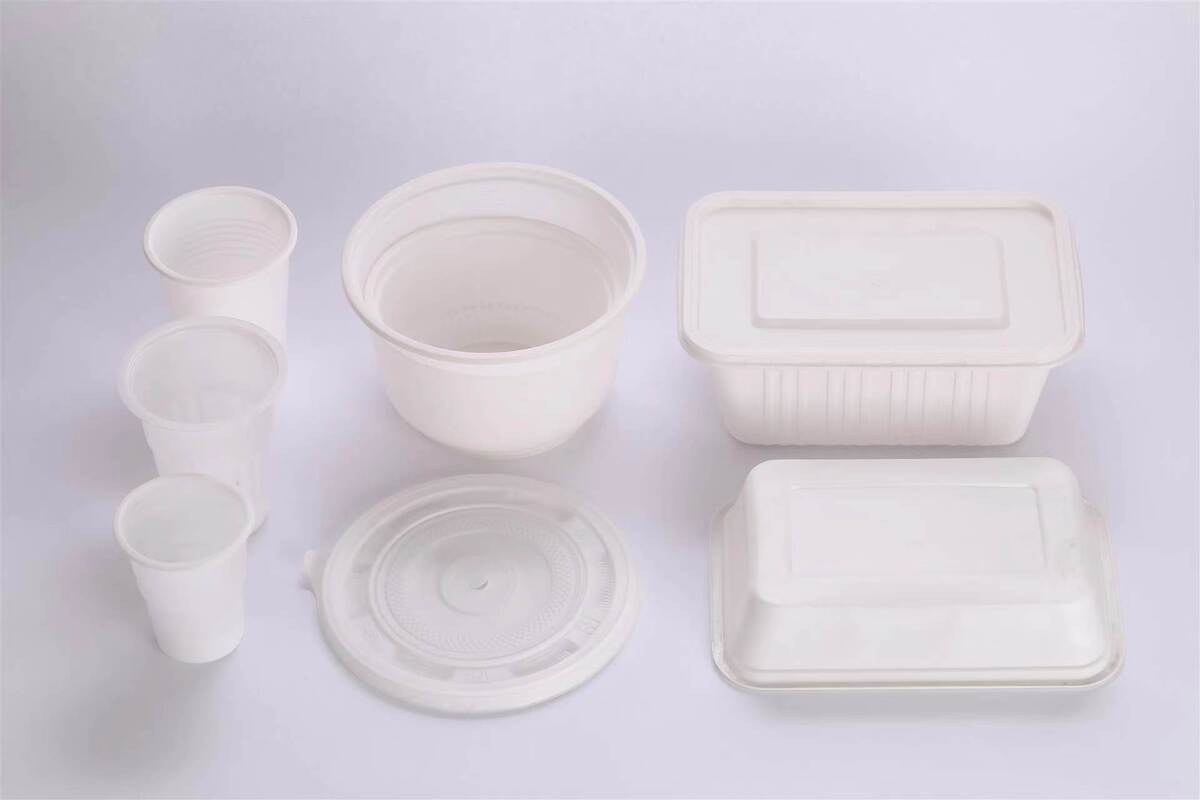
China's waste plastic treatment mainly adopts three methods: landfill, incineration, and recycling. Landfill operations are simple but heavily polluting, and are gradually being replaced; Burning can effectively reduce emissions and generate electricity, but pollutant emissions need to be controlled; Recycling is the most sustainable, but it faces classification and economic challenges. At present, China is building a comprehensive governance system of "reduction recycling disposal", which is promoted through policy guidance, technological innovation, and market mechanisms to achieve a balanced development of plastic pollution control and resource recycling, and to assist in the construction of "waste free cities" and the achievement of dual carbon goals.

Plastics: Innovating for Sustainability, Leading Technological Leaps, and Reshaping a Prosperous Futur-1
Plastics are vital in modern life, from daily bags to industrial parts. The industry has evolved greatly, with new materials and better processes. It focuses on sustainability, with degradable plastics and recycling making progress. Tech brings smart plastics and nanotech applications. The future looks bright, with growing demand and more eco-friendly, intelligent advancements.

The Gift of Plastic: The Invisible Wings of Modern Civilization
In a luxury boutique in Tokyo's Ginza district, a customer receives a high-end purchase packaged in a matte-finish plastic bag. In a remote Kenyan clinic, medical staff retrieve sterile syringes from sealed plastic pouches. At a smart warehouse in Shanghai, anti-static plastic bags safeguard delicate microchips awaiting shipment—these seemingly mundane scenes illustrate how plastic bags have quietly become the unsung heroes upholding modern civilization. This article reexamines this often-demonized yet indispensable companion through four dimensions: technological innovation, quality-of-life enhancement, economic contribution, and specialized applications.

Biodegradable Plastic Bags: Technological Breakthroughs and Market Challenges in Environmental Protection
Against the backdrop of an increasingly severe global plastic pollution crisis, biodegradable plastic bags have emerged as an eco-friendly alternative to conventional plastics and are experiencing rapid development. According to data from European Bioplastics, global production capacity of biodegradable plastics reached 2.5 million tons in 2023, with plastic bags accounting for over 40% of applications. This article explores the true potential of this green packaging solution by examining material technologies, degradation mechanisms, and market trends.
Decoding Plastic Bag Manufacturing: A Technical Comparison of LDPE, HDPE, and Biodegradable Materials
Plastic bags have become indispensable in modern daily life, with their manufacturing processes and material selection directly impacting product performance and environmental sustainability. This article provides an in-depth analysis of the production technologies and characteristics of three mainstream plastic bag materials: LDPE, HDPE, and biodegradable alternatives.