Top 10 Biodegradable Food Bags for Sustainable Packaging?
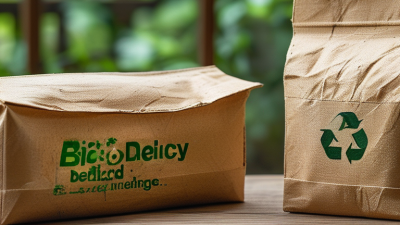
In the quest for sustainable packaging solutions, Biodegradable Food Bags have emerged as a vital option. These bags offer a practical alternative to traditional plastic, reducing waste and minimizing environmental impact. With the rising awareness of ecological issues, consumers and businesses increasingly seek eco-friendly choices.
Biodegradable Food Bags are designed to break down naturally, turning into compost rather than lingering in landfills for decades. They come in various materials, such as PLA and paper, each with unique benefits. It's crucial, however, to select bags that meet industry standards for biodegradability. Proper labeling and certifications can often be unclear, leading to inconsistent choices.
While the benefits are clear, challenges remain in balancing cost and functionality. Some biodegradable options may not perform as well as conventional bags. It's essential to consider your specific needs and weigh the trade-offs when making a decision. Embracing Biodegradable Food Bags is a step toward a greener future, but it's vital to stay informed and make cautious choices.
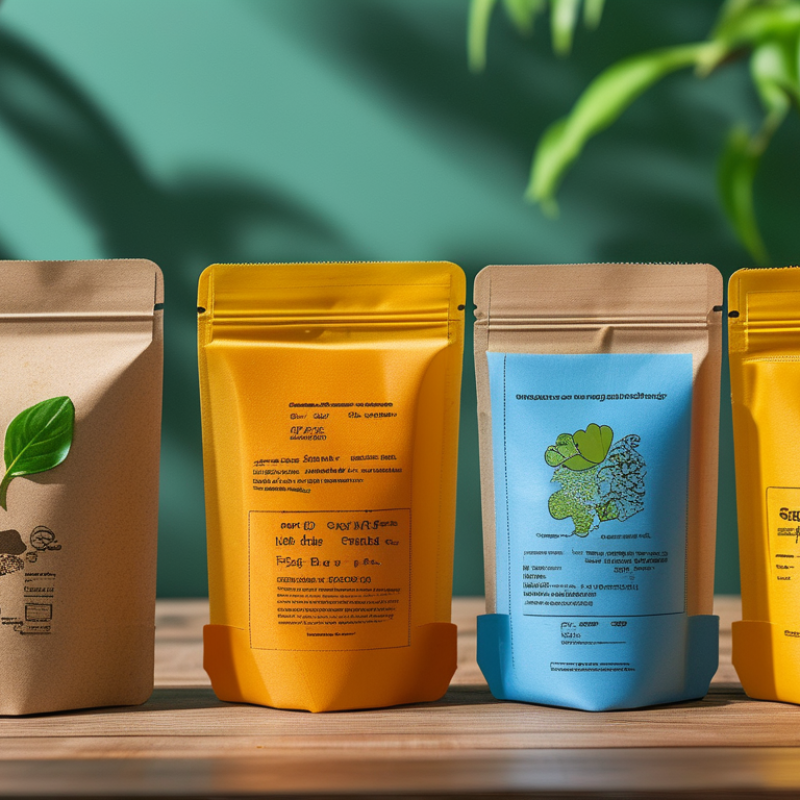
Overview of Biodegradable Food Bags and Their Importance
Biodegradable food bags are gaining attention in the quest for sustainable packaging. They help reduce plastic waste, which is a major environmental concern. Traditional plastic bags linger in landfills for hundreds of years. By contrast, biodegradable options break down more quickly in natural environments.
These bags are often made from materials like corn starch or plant fibers, which are safer for the planet. They provide an alternative that supports eco-friendly practices. However, not all biodegradable bags are created equal. Some may require specific conditions to decompose effectively, raising questions about their overall efficacy. Consumers should research and ensure they choose products that align with true sustainability goals.
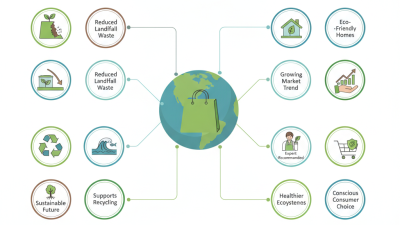
The importance of biodegradable food bags extends beyond mere convenience. They help reduce our carbon footprint and lessen the burden on waste management systems. Yet, it is crucial to reflect on our consumption habits. Relying solely on biodegradable options without considering overall waste reduction can undermine their benefits. By making conscious choices, we can play an active role in promoting a healthier environment.
Different Materials Used in Biodegradable Food Bags
Biodegradable food bags are essential for sustainable packaging. Understanding the materials used in these bags is crucial for making informed choices. Many biodegradable bags are made from PLA (polylactic acid), a plant-based plastic derived from corn starch. According to industry reports, PLA composts in commercial facilities within 90 to 180 days under optimal conditions.
Another common material is PHA (polyhydroxyalkanoates), which is produced by microorganisms. PHA can decompose in a variety of environments. Research shows that PHA can break down in marine environments, making it a viable option for reducing ocean plastic pollution.
Tips for choosing biodegradable bags: Look for certifications like ASTM D6400 or EN 13432, which ensure the materials meet specific compostability standards. Also, assess the environment you’ll use them in. Not all biodegradable bags perform equally in home composts compared to industrial settings.
Some biodegradable bags may still require specific conditions to decompose fully. This can lead to waste if not disposed of properly. It’s important to understand that while these materials are more eco-friendly, they are not a silver bullet. Consumer education is vital; not all biodegradable options will break down as expected if littered.
Top 10 Biodegradable Food Bags with Key Features
When considering sustainable packaging, biodegradable food bags offer an excellent solution. These bags break down naturally, reducing waste in landfills. They are made from natural materials, such as cornstarch or plant fibers. Choosing the right bag depends on specific needs.
Several key features to consider are durability and compostability. Many bags are designed to hold up against liquids and oils. Some can decompose fully in a backyard compost within weeks. Others may take longer and require industrial composting facilities. The size and thickness of the bags also play a crucial role. Thicker bags tend to resist tearing, while thinner ones are lighter and easier to dispose of.
It’s important to note that not all biodegradable bags are created equal. Some may only degrade under specific conditions. Others might contain additives that don’t fully break down. Checking certifications can help ensure you make a reliable choice. These factors can complicate decision-making. Educating oneself about these distinctions is necessary for effective use.
Top 10 Biodegradable Food Bags: Key Features Comparison
Comparative Analysis of Price and Sustainability
In today's eco-conscious world, choosing biodegradable food bags is essential for sustainable packaging. Many options are available, but understanding their price and sustainability is crucial. Biodegradable bags can vary widely in cost, often depending on material and design. Materials like plant starch or recycled paper may offer excellent alternatives to traditional plastic. However, higher quality often comes at a premium price. Consumers need to weigh these factors when making purchases.
Sustainability does not only hinge on price. Some cheaper options may contribute to environmental harm if they do not decompose effectively. It's vital to investigate biodegradable claims and certifications. Not all products labeled as biodegradable live up to their promises. Consumers should research practices behind production. Transparency in sourcing and production methods can reveal a lot about product legitimacy.
Choosing the right bag requires critical thinking. Look for bags that decompose in natural conditions, such as in composting environments. Analyze how much waste a product will generate throughout its life cycle. Ultimately, the quest for sustainable packaging is ongoing and imperfect. We must remain vigilant in distinguishing between genuine sustainability and marketing hype.
Consumer Considerations When Choosing Biodegradable Food Bags
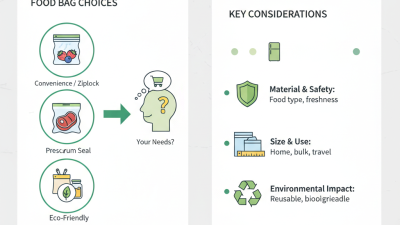
When choosing biodegradable food bags, consumers must consider several factors.
Material type is crucial. Some bags are made from plant-based materials, while others use synthetic blends.
Knowing the source of these materials can influence their biodegradability. Look for bags that meet official standards for
compostability. Not all biodegradable bags decay at the same rate.
Durability is another key aspect. A bag must hold up under various conditions.
Consider how these bags perform with wet or heavy items. Testing their strength and resilience before purchase can prevent
spills and waste. Additionally, think about the storage conditions.
Some biodegradable bags may have specific temperature and humidity requirements. This can affect their lifespan before use.
Pricing may also impact your decision. Often, biodegradable options come at a premium.
It's worth reflecting on whether the environmental benefits are worth the cost to you. Explore local producers who may offer competitive pricing.
Make informed choices to balance sustainability with practicality.
Understanding these nuances can help consumers make better decisions for their packaging needs.