How to Choose the Right Food Bags for Your Needs?
Choosing the right food bags can significantly impact food preservation and safety. According to Lisa Chen, a leading expert in food packaging, "The right material makes all the difference in keeping food fresh." This highlights the importance of making informed decisions in the food bags market.
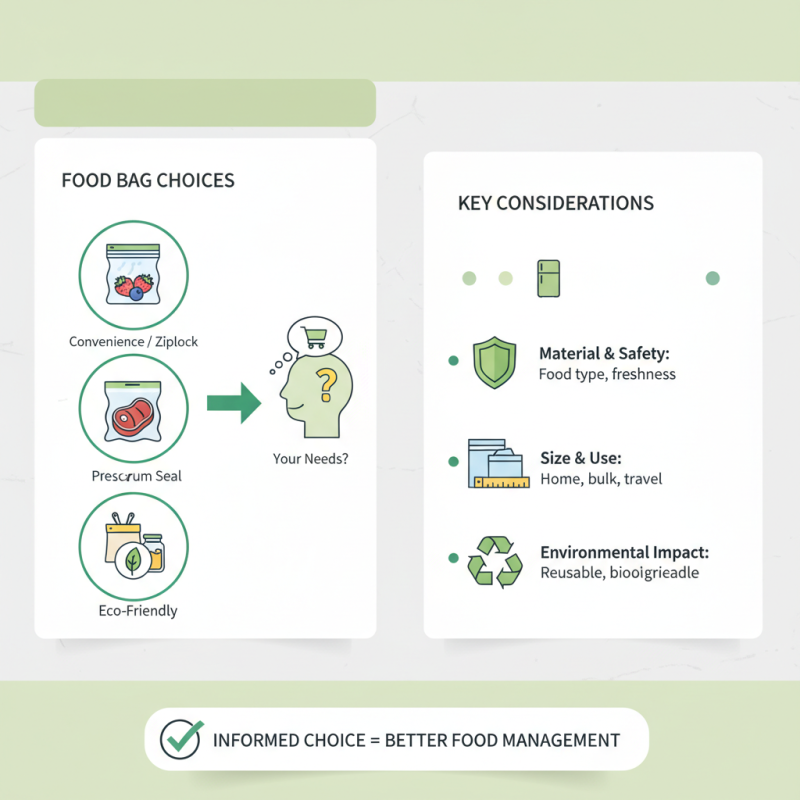
Food bags come in various sizes and materials. Each option caters to unique needs ranging from household storage to professional kitchens. Understanding these differences can enhance your food storage experience. For instance, ziplock bags are convenient, but they may not suit vacuum sealing methods.
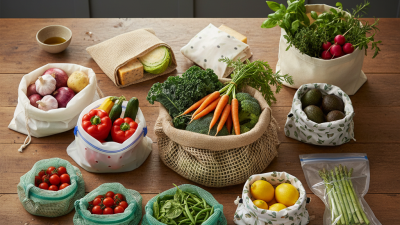
Think also about sustainability. Many consumers seek eco-friendly food bags. This choice reflects a growing awareness of environmental impacts. Choosing the right food bags often requires balancing convenience with responsible options. An informed choice leads to better food management, ensuring that both your kitchen and the planet stay healthy.
Types of Food Bags Available in the Market
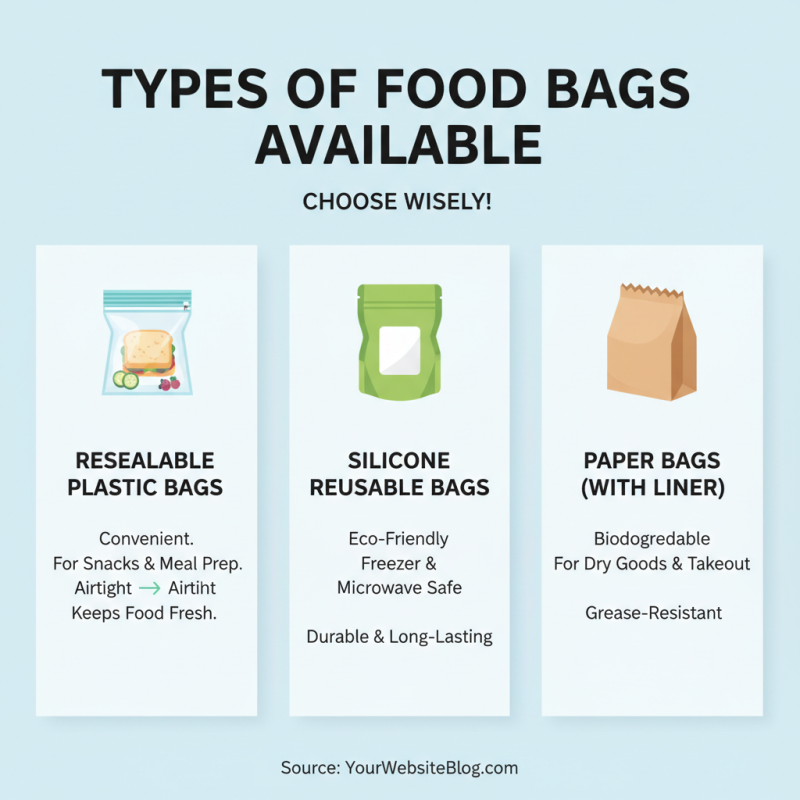
Choosing the right food bags requires an understanding of available types. Many options exist, each serving specific needs. For example, resealable plastic bags are popular for their convenience. They are handy for snacks and meal prep. The airtight seal keeps food fresh longer.
Another option is vacuum-sealed bags. These bags remove air to preserve food's flavor and nutrients. They are essential for long-term storage. For home-cooked meals, consider foil bags. They are perfect for baking and grilling. They can withstand high temperatures without falling apart.
Biodegradable bags are gaining traction. They offer a more eco-friendly choice for those concerned about waste. However, not all biodegradable bags perform well. Some may tear easily, reducing their usefulness. Assessing the bag's material is vital. Reflect on how often you store food. Your choice should depend on your cooking habits and environmental impact awareness.
Factors to Consider When Choosing Food Bags
Choosing the right food bags can be a daunting task. Many factors come into play. Material is crucial; different foods require different bag types. For example, freezer bags should be thicker to withstand low temperatures. Consider the sealing method as well; zip seals are versatile for storing various items.
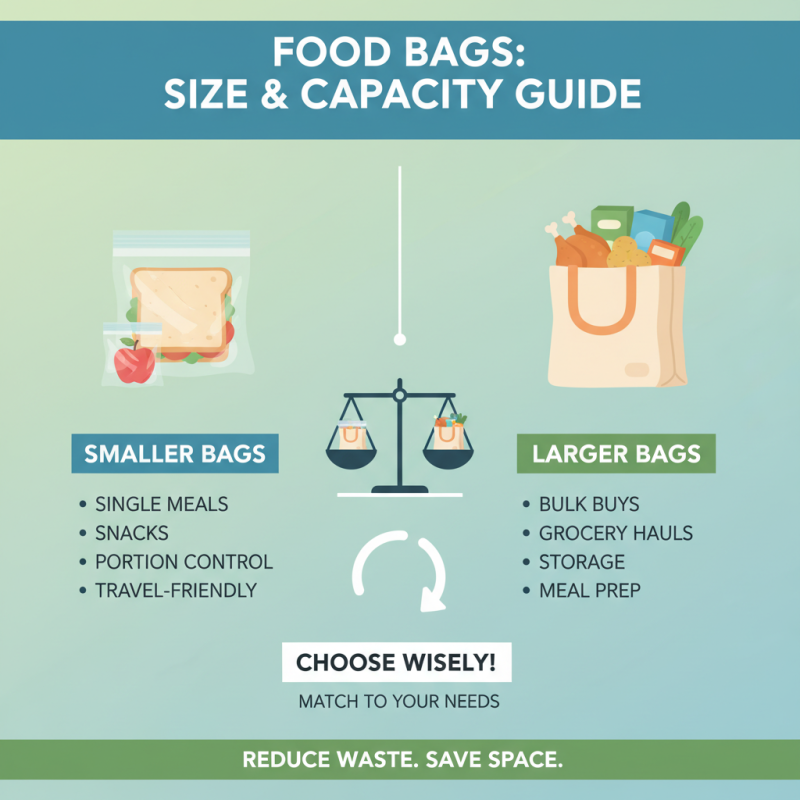
When selecting food bags, think about the size. Smaller bags work for snacks, while larger ones are ideal for bulk items. Think about your kitchen layout too. If you have limited storage, opt for foldable or stackable options.
Tips: Always check for BPA-free materials. This ensures safety for your food. If unsure about what you need, consult with others. Sharing experiences can clarify your options. Remember, not every bag will fit every purpose. Reflection on past choices can guide future purchases. Keep an open mind when exploring different types.
How to Choose the Right Food Bags for Your Needs? - Factors to Consider When Choosing Food Bags
| Criteria |
Description |
Examples |
| Material |
Choose suitable materials that maintain food safety and freshness. |
Plastic, Mylar, Paper, Biodegradable |
| Size |
Select sizes based on the type and quantity of food to be stored. |
Small, Medium, Large |
| Closure Type |
Consider how the bag closes to ensure a proper seal and freshness. |
Zipper, Heat Seal, Fold-Over |
| Reusability |
Evaluate if the bag is reusable to minimize waste. |
Reusable, Disposable |
| Temperature Resistance |
Select bags that can withstand high and low temperatures if needed. |
Freezer Safe, Microwave Safe |
| Food Type Compatibility |
Ensure the bag is compatible with the specific type of food being stored. |
Dry Goods, Wet Foods, Snacks |
Material Options for Food Bags and Their Benefits
When selecting food bags, understanding material options is crucial.
Different materials offer distinct advantages, catering to various needs. For instance, polyethylene is lightweight and flexible, making it ideal for packaging dry foods. It has a lower carbon footprint compared to other materials, reporting a 35% reduction in emissions during production. This is significant for environmentally conscious consumers.
Another popular material is polypropylene, known for its durability and resistance to moisture. It is often used for frozen foods, preserving freshness. Data shows that food packed in polypropylene bags can stay fresh up to 50% longer than those in inferior materials. This can be particularly beneficial in reducing food waste and saving money.
Biodegradable alternatives are gaining momentum. These materials break down naturally and minimize environmental impact. Reports indicate that using biodegradable options can cut down landfill waste by 30%. This reinforces the importance of choosing materials that align with sustainability goals. Nevertheless, some biodegradables may not perform as well under certain conditions. Assessing each option carefully is vital.
Sizing and Capacity Considerations for Food Bags
When selecting food bags, sizing and capacity are crucial. The size of the bag often determines how effectively it meets your needs. A small bag may not accommodate larger items, leading to waste. Conversely, an oversized bag can take up unnecessary space. Consider your typical portion sizes. For single meals, a smaller capacity might suffice. But for bulk purchases, larger bags are essential.
For instance, if you're storing grains or snacks, choose a bag that balances volume and flexibility. A bag that is too rigid may break, while one that is too thin may tear easily. Think about the specific items you plan to store. It’s also important to factor in the frequency of use. If you access the contents daily, a bag with a wide opening is practical. Sizing miscalculations can lead to frustration. Reflect on past purchases. Did they often run out too quickly? Adjust accordingly in future selections.
Sustainable and Eco-Friendly Food Bag Choices
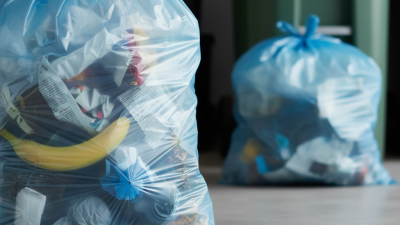
Sustainable and eco-friendly food bags are increasingly vital in reducing waste. In the U.S., about 100 billion plastic bags end up in landfills each year. Choosing the right bag can significantly decrease your environmental footprint. Materials such as compostable bioplastics and reusable fabrics are excellent options for conscious consumers.
Tips: Look for bags that are made from recycled materials. This choice often leads to decreased energy consumption during production.
In addition, consider the lifecycle of the bag. Biodegradable bags usually break down within a year, while some fabrics can last for years. The performance of these bags should meet your daily needs. Heavy-duty options might be necessary for bulk shopping. There is an ongoing dialogue about the balance between durability and sustainability.
Tips: Assess your purchasing habits. Opt for bags that align with your shopping frequency to minimize excess. The right bag needs to feel functional and not just eco-friendly. Remember, not all biodegradable claims are equally trustworthy. Always check for certifications.
Environmental Impact of Different Food Bag Materials