What are Food Bags and How to Choose the Best Ones?
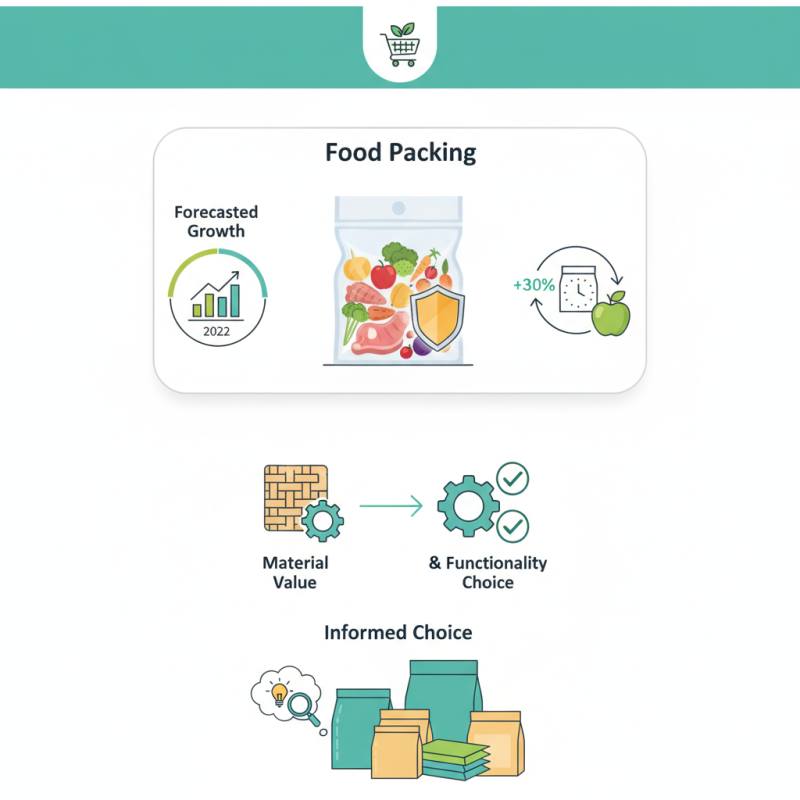
Food bags play a crucial role in the packaging industry, especially in food preservation and safety. According to a recent report by the Food Packaging Association, the global food bags market was valued at over $5 billion in 2022 and is projected to grow significantly. This growth highlights the increasing need for effective food storage solutions among consumers and businesses alike.
Expert Linda Carter, a packaging specialist, emphasizes the importance of selecting the right food bags. She states, "Choosing the correct food bag can extend the shelf life of perishable products by up to 30%." This statistic showcases how vital proper packaging is in preventing food waste and maintaining quality.
While most consumers focus on cost and availability, it’s essential to consider material and functionality. Not all food bags are created equal, and minor choices can have major impacts. Reflecting on past purchases can reveal mistakes made in selecting bags that didn’t meet storage needs. Therefore, understanding the variety and specifications of food bags available is imperative for making an informed choice.
What are Food Bags and Their Purpose in Food Storage?
Food bags are essential tools in food storage. They serve multiple purposes, including preserving freshness and preventing spoilage. According to a study by the Food and Drug Administration, nearly 30% of food waste occurs due to improper storage methods. Food bags can significantly reduce this waste by providing an effective barrier against air and moisture.
Choosing the right food bag can enhance food preservation. Look for bags that are BPA-free and designed for specific storage needs. For example, vacuum-sealed bags are ideal for long-term storage. In contrast, resealable bags are perfect for daily use. A recent report indicated that using appropriately designed bags can extend shelf life by up to 50%.
Tips for choosing the best food bags:
1. Always check for tear resistance. Thin bags can easily puncture, leading to food spoilage.
2. Consider the size—choose bags that fit your portion needs.
3. Experiment with different types to find what works best for your kitchen routine. Remember, not all bags suit all foods, so assess your storage goals to make an informed choice.
What are Food Bags and How to Choose the Best Ones? - What are Food Bags and Their Purpose in Food Storage?
| Food Bag Type |
Material |
Best Use |
Durability |
Reusability |
| Plastic Food Bags |
Polyethylene |
Storing snacks and leftovers |
Medium |
Limited |
| Reusable Silicone Bags |
Silicone |
Freezing or marinating |
High |
Yes |
| Vacuum Seal Bags |
Nylon & Polyethylene |
Long-term storage |
High |
Single-use |
| Ziploc Bags |
Plastic |
General storage |
Medium |
Limited |
| Compostable Bags |
Plant-based materials |
Food waste |
Medium |
Single-use |
Types of Food Bags: A Comprehensive Overview
When considering food bags, it's essential to understand their types. Various bags serve different purposes and can significantly impact food storage. According to a recent report by Grand View Research, the global food packaging market is projected to grow significantly, reflecting the increasing demand for convenient food storage options.
There are several types of food bags available on the market. Ziplock bags are commonly used for daily items. They provide a quick solution for snacks and leftovers. Vacuum-sealed bags extend the shelf life of food, reducing waste. Studies suggest vacuum storage can keep food fresh up to five times longer than traditional methods.
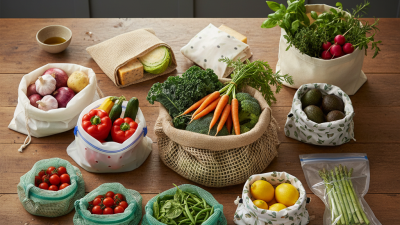
Reusable canvas bags are more environmentally friendly. They reduce single-use plastic waste but may require more care in cleaning. Some consumers overlook this, leading to food contamination. It's vital to choose food bags based on intended use, durability, and eco-friendliness. Not all bags are suitable for every food type. Reflecting on these details can enhance food storage practices.
Key Features to Consider When Choosing Food Bags
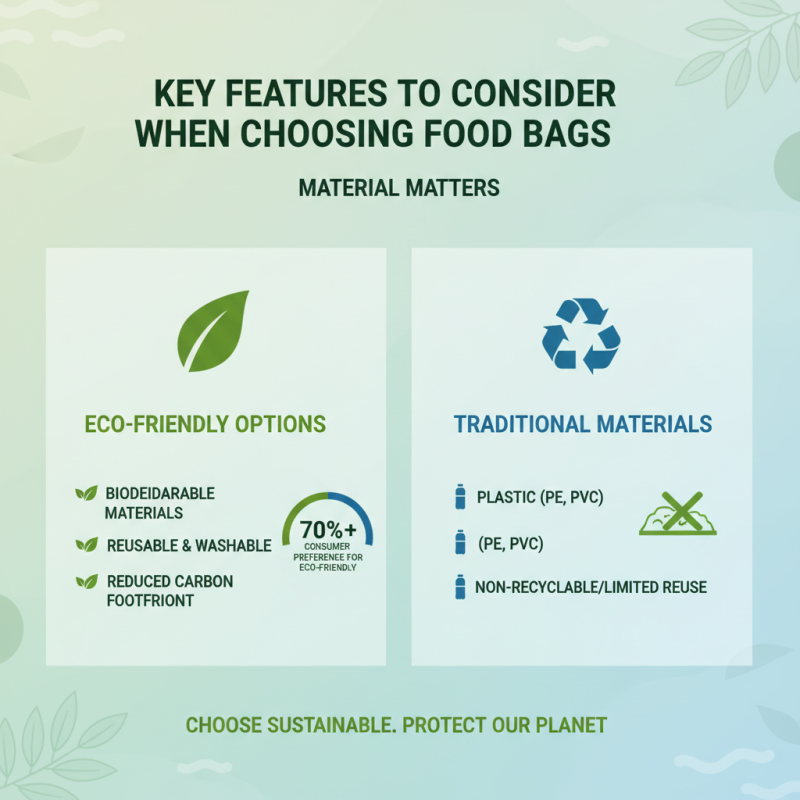
When selecting food bags, several key features come into play. Material types are crucial. Most food bags are made from plastic or biodegradable materials. Research shows that over 70% of consumers prefer eco-friendly options. This shift reflects a growing awareness of environmental issues. A switch to sustainable materials can lessen the carbon footprint significantly.
Size and capacity are also important. Food bags should cater to various food types. For instance, a larger bag may be necessary for bulk items, whereas smaller ones work for snacks. Moreover, resealable features can enhance convenience. Approximately 60% of buyers look for ease of use when choosing bags. However, finding the right balance between size and sturdiness is challenging. Thin bags may tear easily, reducing reliability and increasing waste.
In addition to size, consider the sealing mechanism. Zip closures and adhesive seals are popular for maintaining freshness. Interestingly, surveys indicate that 48% of consumers report spoilage due to inadequate sealing. A reliable seal can mean the difference between edible and spoiled food. Many users still underestimate how crucial these details are. Small choices lead to wider implications in daily food storage and consumption habits.
How to Properly Use and Maintain Food Bags
When using food bags, proper handling is essential for maintaining food freshness. Always ensure the bags are clean before use. Residue from previous contents can lead to contamination. For vacuum-sealed bags, remember to remove excess air to extend shelf life. A well-sealed bag can keep foods, like grains or meats, fresh for weeks.
Storing food bags correctly is equally important. Place them in a cool, dry location to prevent deterioration. Heat and moisture can damage the bag's material. Regularly check for wear and tear. A small hole can render a bag ineffective. If you discover any, it’s wise to discard the bag rather than risk food spoilage.
Cleaning food bags after each use enhances hygiene. Most reusable bags can be washed, but always follow manufacturer instructions. Some might need hand washing, while others can go in the dishwasher. Reflect on the frequency of your bag usage. Regular maintenance can save you money and reduce waste.
Environmental Impact: Eco-Friendly Food Bag Options
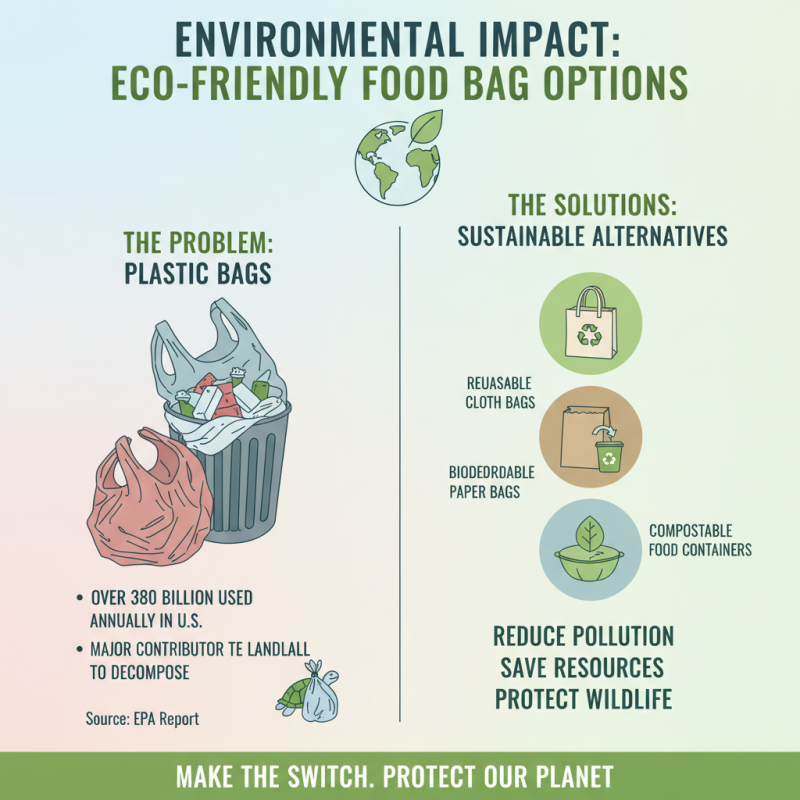
Eco-friendly food bags are gaining traction as consumers become increasingly aware of their impact on the environment. According to a recent report by the Environmental Protection Agency, plastic bags contribute significantly to landfill waste, with over 380 billion plastic bags used in the U.S. annually. Many of these bags take hundreds of years to decompose. This highlights the urgency of seeking sustainable alternatives.
Biodegradable bags made from materials like cornstarch or paper are becoming popular. These options often break down within months instead of years. Research shows that biodegradable bags reduce pollution and can improve soil quality when composted correctly. However, challenges remain in manufacturing processes and waste management systems, which may not always support proper disposal.
Recyclable food bags also present a viable option. Many local recycling programs accept paper and certain plastics. Still, there are gaps in consumer understanding of how to properly recycle these items. Awareness campaigns are needed to educate the public on the importance of correct recycling practices. The environmental benefits of choosing the right food bags are clear, yet individuals must do their part to ensure they are used and disposed of responsibly.