Leave Your Message

Why Choose Eco Trash Bags for Sustainable Waste Management?

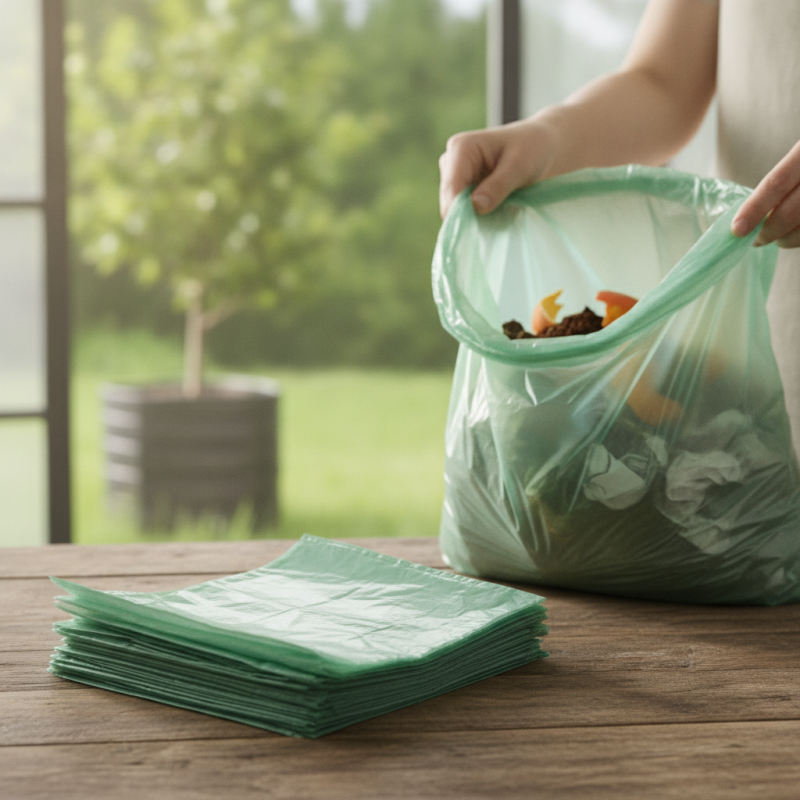
In recent years, environmental concerns have highlighted the importance of sustainable waste management. Traditional trash bags often contribute significantly to landfill waste and pollution. Eco Trash Bags, designed from biodegradable materials, offer a promising alternative. They break down faster than conventional plastic bags, reducing their environmental footprint.

Choosing Eco Trash Bags is not just about making a green choice; it’s about embracing a lifestyle that prioritizes sustainability. These bags are made from renewable resources. They are effective and durable, ensuring they can handle everyday waste while minimizing ecological harm. By integrating them into daily routines, individuals can play a role in combating waste issues.

Despite the benefits, some may question the effectiveness of Eco Trash Bags compared to traditional options. It’s essential to assess their performance in various conditions. Can they hold up to heavy loads? Are they truly biodegradable under typical landfill conditions? These are valid concerns that require further exploration. Transitioning to Eco Trash Bags demands awareness and reflection on waste management habits.
Why Choose Eco Trash Bags for Sustainable Waste Management?

Benefits of Eco Trash Bags for Reducing Plastic Pollution

Why Choose Eco Trash Bags for Sustainable Waste Management?

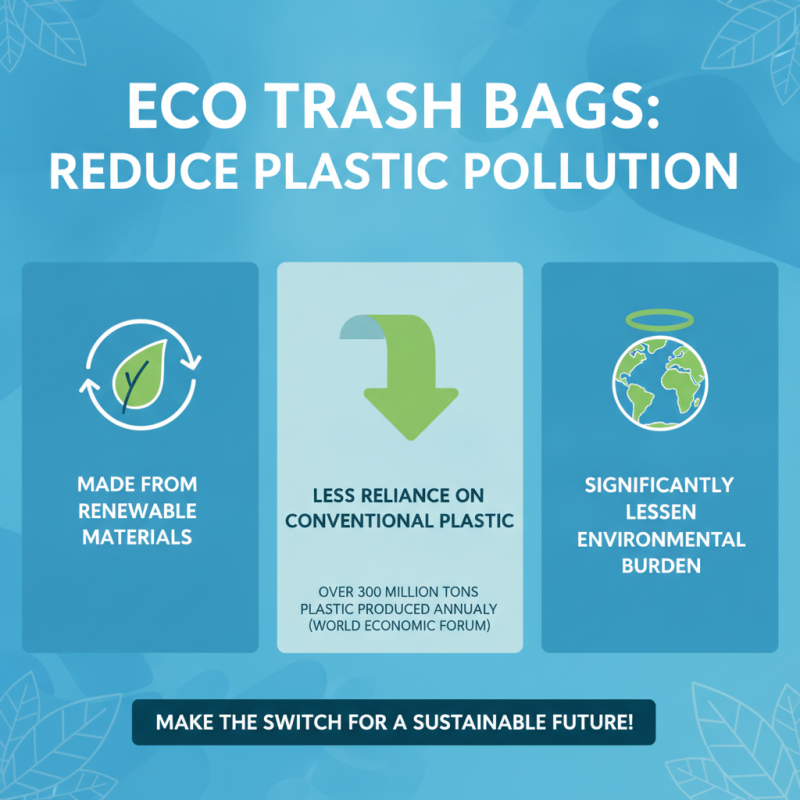
Eco trash bags are becoming essential for sustainable waste management. These bags, manufactured from renewable materials, help reduce reliance on conventional plastic. According to the World Economic Forum, over 300 million tons of plastic are produced each year, resulting in severe environmental issues. Using eco-friendly alternatives can significantly lessen this burden.

One of the most striking benefits is the reduction of plastic pollution. Reportedly, plastic waste kills over 1 million marine animals annually. Switching to eco trash bags, which are biodegradable, can help mitigate such impacts. They break down more easily in landfills, returning nutrients to the soil over time.

**Tips:** Consider compostable options if available. This can further reduce your environmental footprint. Also, ensure you dispose of all waste correctly to maximize the benefits of eco trash bags. Small changes make a big difference, influencing community practices and encouraging a larger shift toward sustainability. By adopting eco-friendly trash solutions, individuals can contribute to a healthier planet.
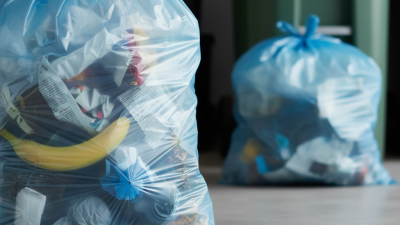
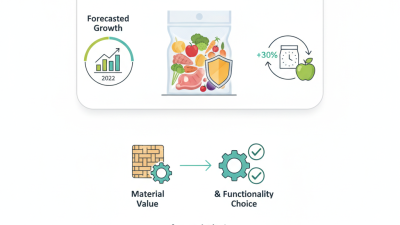
Comparative Analysis of Eco Trash Bags vs. Traditional Plastic Bags

Eco trash bags offer a more sustainable alternative to traditional plastic bags. According to data from the Environmental Protection Agency (EPA), single-use plastics make up a significant portion of landfill waste, contributing to environmental degradation. In contrast, eco trash bags are designed to break down more easily, thus reducing the burden on landfills.

A comprehensive study published in the Journal of Environmental Management highlights that eco trash bags can decompose within 90 to 180 days in composting conditions. Traditional plastic bags, however, can take up to 1,000 years to decompose. This stark difference demonstrates why eco trash bags are pivotal for effective waste management practices. Yet, it’s crucial to recognize that not all eco-friendly options are created equal. Some so-called biodegradable bags still require specific conditions to break down properly.

Moreover, the cost of eco trash bags can sometimes deter consumers. A report by the World Economic Forum notes that while these bags may be pricier, people often overlook their long-term environmental benefits. The choice between eco trash bags and traditional plastic is not just a financial decision; it’s a commitment to sustainability. Still, industry experts emphasize the need for better education on disposal methods for eco trash bags to maximize their benefits.

Why Choose Eco Trash Bags for Sustainable Waste Management? - Comparative Analysis of Eco Trash Bags vs. Traditional Plastic Bags

Criteria Eco Trash Bags Traditional Plastic Bags
Biodegradability Typically decomposes within 1 year Takes hundreds of years to decompose
Production Materials Made from renewable resources like cornstarch Made from petroleum-based products
Cost Generally higher, but varies by brand Generally lower, widely available
Durability Good durability for light to moderate waste High durability, suitable for heavier waste
Environmental Impact Lower overall impact on environment Higher impact, contributes to pollution
Reusability Can often be used multiple times Not intended for reuse

Lifecycle Assessment: Sustainability of Eco Trash Bags

The lifecycle assessment of eco trash bags highlights their significant environmental benefits. Traditional plastic bags take up to a thousand years to decompose. In contrast, many eco-friendly options break down much faster, within a few years under proper conditions. A study by the Ellen MacArthur Foundation indicates that switching to biodegradable bags could reduce plastic pollution by up to 50% in landfills.

Materials used in eco trash bags are often derived from renewable resources. For example, some bags come from plant starches, which minimizes reliance on fossil fuels. According to a report from the Environmental Protection Agency, using biodegradable materials can reduce greenhouse gas emissions by over 30% compared to conventional plastics.

However, not all eco bags are equal. Some may still contain harmful additives. Users should be cautious and research certifications, as not all biodegradable bags break down effectively in landfills. Understanding the nuances of these products is essential for effective waste management.

Market Trends: Growth in Demand for Eco-Friendly Waste Management Solutions

The rising demand for eco-friendly waste management solutions is more than just a trend. It reflects a significant shift in consumer awareness towards sustainability. Many people are now seeking products that reduce their ecological footprint. This growing consciousness has led to a surge in the popularity of eco trash bags. Consumers are increasingly aware of the environmental implications of plastic waste. Every choice matters in fostering a cleaner future.

Statistics show a notable increase in sales of biodegradable and compostable products. This trend suggests a collective shift towards greener practices. Urban areas are where this demand is most evident. Local governments are also adapting policies that favor sustainable alternatives. However, there’s room for improvement. Not all eco bags are created equal. Some still contain additives that harm the environment. It raises questions about certification and standards.

Education is key in promoting truly sustainable options. Consumers should be encouraged to read labels carefully. Certain brands may misrepresent their products as eco-friendly. Awareness discussions can help clarify misconceptions. Transparency in materials and processes is crucial. Through informed choices and discussions, a more sustainable future can be forged together. The journey towards better waste management is ongoing and requires a collective effort.

Growth in Demand for Eco-Friendly Waste Management Solutions

The chart above illustrates the significant growth in demand for eco-friendly waste management solutions from 2019 to 2023. The increase reflects a growing awareness and preference for sustainable products, highlighting the shift towards environmentally conscious consumer behavior.

Regulatory Impact: How Policies Are Shaping Eco Trash Bag Adoption

Why Choose Eco Trash Bags for Sustainable Waste Management?

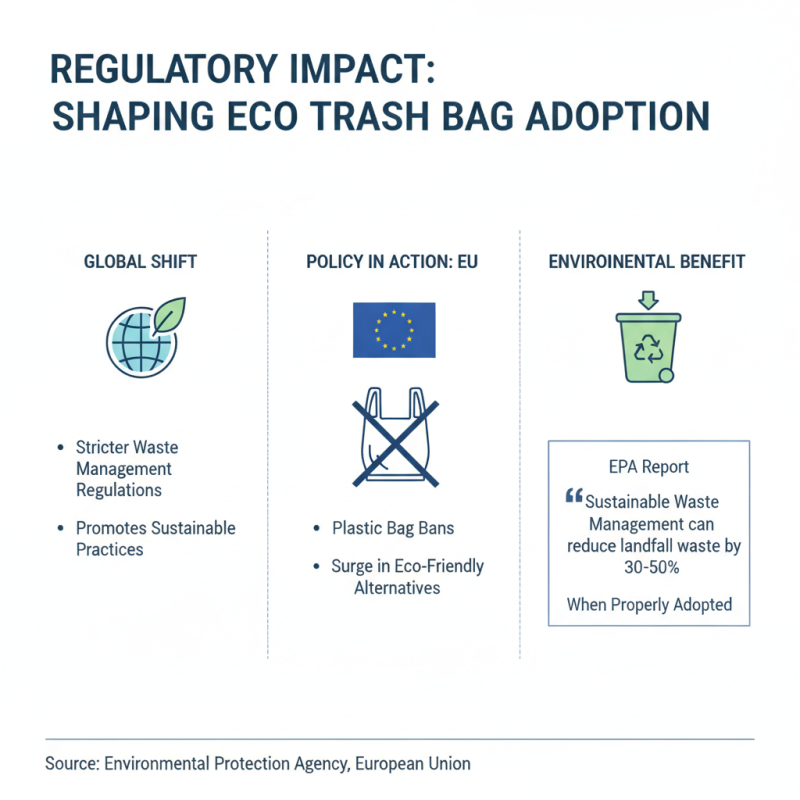
The rise of eco trash bags is significantly influenced by regulatory policies. Governments worldwide implement stricter waste management regulations, which promote sustainable practices. For instance, in the European Union, plastic bag bans have led to a surge in eco-friendly alternatives. According to a report by the Environmental Protection Agency, sustainable waste management can reduce landfill waste by 30-50% when properly adopted.

Countless municipalities are establishing incentives for using biodegradable bags. These initiatives not only reduce plastic pollution but also educate the public. Transitioning to eco trash bags can directly impact pollution levels. However, awareness of these options remains low in some areas. By 2022, only 40% of consumers were aware of biodegradable alternatives.

For individuals considering the switch, here are some tips: Look for bags certified by environmental standards. Check materials—cornstarch and recycled paper are excellent choices. Additionally, engage in community programs that promote the use of eco trash bags. This creates a larger impact.

Policies are evolving, and consumer choices are pivotal in this transition. However, some challenges exist, such as cost and availability. Addressing these issues may require ongoing advocacy for greener solutions. These changes take time, and consumer demand can drive progress.