How to Choose the Best Garbage Totes for Your Needs?
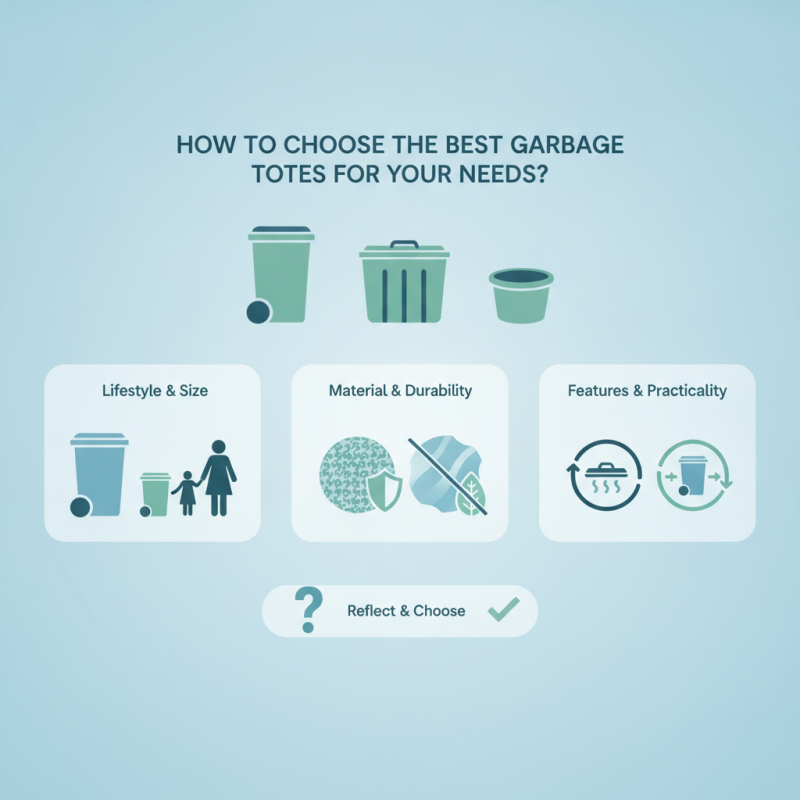
Choosing the right garbage totes is essential for effective waste management. Garbage totes come in various sizes, materials, and designs. The right choice can enhance your cleanliness and organization.
Consider what you need most. Lifestyle and waste types greatly influence your choice. For instance, families may require larger totes than individuals. Durability is also crucial. Some totes are made of stronger materials. Others might be more stylish but less functional.
Think about the features that suit you best. Do you need lids to prevent odors? Are you looking for totes on wheels for easy transport? Each detail matters. Sometimes, flashy options distract from practicality. Reflect on your specific needs to find the perfect garbage totes.
Types of Garbage Totes: Understanding Different Materials and Sizes
When it comes to choosing garbage totes, understanding the various types is crucial. Materials range from plastic to metal and biodegradable options. Plastic totes are lightweight and affordable. They resist moisture, making them ideal for wet waste. However, they can break down under UV rays over time.
Metal totes offer durability and a longer lifespan, but they might be heavier and rust-prone.
Sizes also play a vital role. Smaller totes are suitable for apartments. They occupy less space and are easy to manage. In contrast, larger totes are necessary for families or businesses that generate significant waste. A common issue is underestimating size. It's easy to think a small tote will suffice, only to realize it fills up quickly. Consider your waste generation patterns carefully to avoid frequent emptying.
Biodegradable totes are gaining popularity. They provide an eco-friendly alternative, especially for compostable waste. However, they can be more expensive and may not hold up as well over time. Always assess your needs and potential trade-offs before making a decision. Proper understanding can lead to more practical choices that suit your lifestyle.
Choosing the right garbage tote is not just about preference; it reflects a responsible approach to waste management.
Key Features to Consider When Selecting Garbage Totes
When selecting garbage totes, several key features demand attention.
Size and capacity are crucial factors. According to industry studies, the average household generates about 4.5 pounds of waste daily.
Therefore, choosing a tote with adequate capacity can help manage waste effectively. A 32-gallon tote is common for families,
but smaller options might suit singles or couples. If your waste volume fluctuates, consider options with expandable features to adapt to varying needs.
Material also plays a significant role in durability and functionality. Most totes are made from
high-density polyethylene or similar plastics. Research indicates that HDPE can withstand extreme temperatures
and resist UV rays. This makes it a wise choice for outdoor use. However, some users report issues with cracking in colder climates.
It’s essential to consider your local weather conditions when selecting a material. Remember, not all totes are created equal;
weight, ease of handling, and resistance to odors should also shape your choice.
Lastly, ease of disposal is often overlooked. Some models offer features like wheels for convenient transport.
Studies suggest that around 25% of users experience back strain when lifting heavy totes. Thus, ergonomics can significantly impact your experience.
While there are many options available, finding a tote that aligns with your needs requires careful consideration of these features.
Balancing size, material, and usability will ultimately lead to a better choice.
Assessing Your Specific Waste Management Needs
Choosing the right garbage tote is essential for efficient waste management. Assessing your specific waste management needs is the first step in this process. Consider the types of waste you generate. For residential use, the waste may include food scraps, recyclables, and general refuse. Businesses might deal with different waste types, such as hazardous materials or large volumes of recyclable materials. Understanding these distinctions helps in selecting a proper tote.
According to a report by the Environmental Protection Agency (EPA), Americans generated 292.4 million tons of trash in 2018. This figure illustrates the growing need for effective waste management solutions. A tote that is too small may lead to overflow or missed pickups, while one that is too large can take up unnecessary space. A study found that proper bin sizes reduce overflow by 30%. This is crucial for both aesthetics and hygiene.
Reflecting on your waste habits can help optimize your tote choice. Are you composting? That requires a different tote than one for general trash. Additionally, consider the design features of the tote. Some offer ease of mobility, while others may have specialized lids for odor control. Assessing these elements leads to smarter waste management at home or work.
Evaluating Aesthetics and Design for Your Environment
Choosing the right garbage tote is not just about functionality. It’s important to consider aesthetics and design. A well-designed garbage tote can blend seamlessly with your environment. Think about the colors and materials that will complement your outdoor space or kitchen. The right choice enhances the overall look of your area.
When evaluating options, consider the size and shape of the tote. Ensure it suits the space where it will be placed. For instance, sleek and compact designs work well in small kitchens. However, larger, more rugged styles may fit better outdoors. The visual aspects include texture and finish, which can play a big role in harmonizing with surrounding decor.
Reflect on how you want your garbage tote to influence your environment. Does it stand out or blend in? A striking design can become a conversation starter, while a subtle one may provide a serene feel. As you navigate these choices, remember that there is no perfect solution. Each choice has its own trade-offs, and it’s important to consider what matters most to you and your space.
Garbage Totes Aesthetics and Design Evaluation
This chart displays the evaluation of various aesthetics and design features of garbage totes. The dimensions measured include Color Variety, Shape Diversity, Material Quality, and Eco-Friendliness based on a scale from 1 to 10.
Budgeting for Quality: Cost Considerations in Garbage Totes
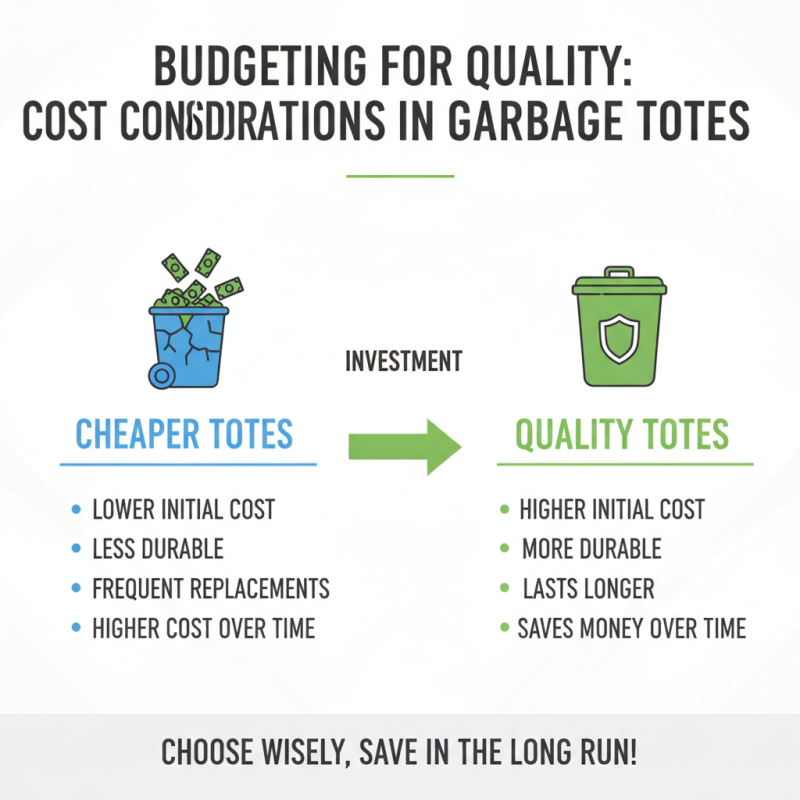
When selecting garbage totes, cost is a crucial factor. High-quality options often come with a higher price, but they can offer better durability and longevity. Cheaper totes might save you money initially, but they can break down quickly. This may lead to frequent replacements, compounding costs over time. Investing in good-quality totes can save you hassle in the long run.
Tip: Consider the material of the garbage totes. Heavy-duty plastic or metal options tend to last longer than thinner alternatives. If you live in an area with extreme weather, choose materials that withstand those conditions. Sometimes, spending a bit more upfront can save you from future expenses.
Balancing your budget while ensuring quality is essential. It might be tempting to buy the cheapest option available, but reflect on how often you need to replace it. Evaluate your waste management needs based on your household size. Larger families or those producing more waste might benefit from more durable totes. This could justify a higher price point.
Tip: Check for warranty or replacement options. Some companies offer guarantees, which can be a sign of quality. If your tote breaks within the warranty period, you could save on replacements. Always review that before making your purchase decision.