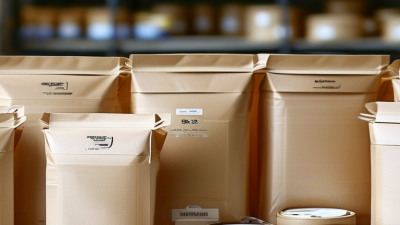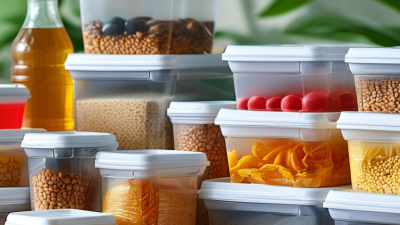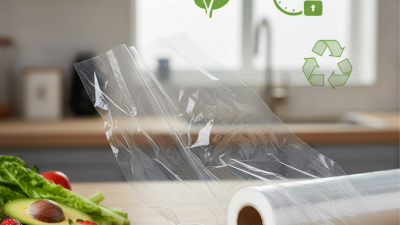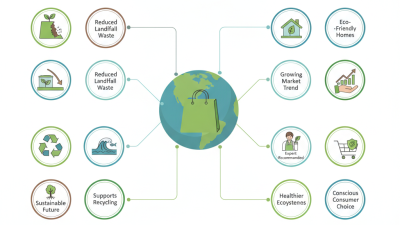
Plastic Ziplock Bags remain a practical option for businesses sourcing packaging across borders. Their resealable closure helps protect small components, samples, and retail items during handling and storage. Clear film also lets warehouse staff identify contents quickly, which can reduce picking errors. Simple, but useful.
For global buyers, the decision involves more than unit price. Film thickness, dimensions, zipper strength, print quality, and carton packing can all affect performance and landed cost. Ask suppliers for specifications and representative samples, then test the bags with the actual contents. A zipper that works well with fabric may not suit heavier hardware. Details matter. Compare quotations using matching specifications, and confirm lead times and quality checks in writing. These steps are routine, yet easy to overlook when schedules are tight.
Plastic Ziplock Bags can support efficient sourcing when suppliers provide consistent products and clear documentation. Request information about material type and any recycled-content claims, and verify claims through suitable records or testing where needed. Requirements vary by market and end use, so confirm applicable standards with qualified professionals. No bag is ideal for every product. Buyers may focus on appearance and miss zipper durability or shipment protection. That is worth reconsidering. A careful sample review and an honest comparison of total costs provide a stronger basis for choosing a dependable supplier.
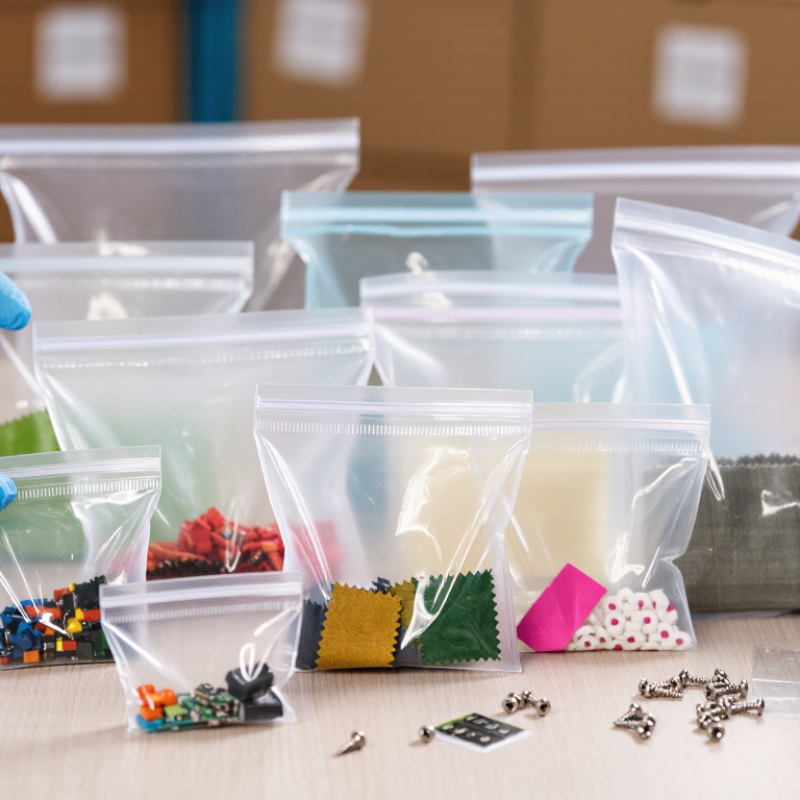
Plastic ziplock bags are flexible pouches with a reclosable profile near the opening. Most use polyethylene film, though thickness, clarity, and barrier performance vary by specification. The closure has two matching tracks: one raised and one shaped to receive it. Pressing along the tracks interlocks them; pulling the edges apart disengages them. You can feel the seal travel under your fingertips.
The mechanism is simple. It is not foolproof. Dust, wrinkles, or a poorly aligned press can leave a small gap, so closure quality depends on both profile design and handling. For sourcing, buyers should check film thickness, track engagement, opening force, and leak performance using samples from the intended production run. A bag that feels sturdy may still have a weak seal.
The OECD’s 2022 Global Plastics Outlook reports that packaging accounted for 31% of global plastics use in 2019. That figure covers packaging broadly, not ziplock bags alone, but it shows why material choices deserve scrutiny. Ask suppliers for the resin and structure details, then confirm them against the bag’s actual use. A clear specification helps; it does not replace testing.
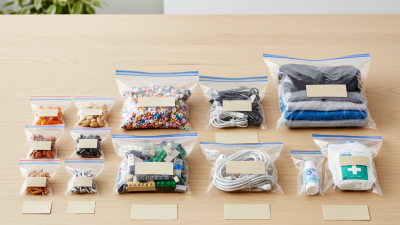
Plastic ziplock bags are flexible packaging products commonly made from polyethylene films. Their closure uses interlocking male and female profiles: pressing the tracks together creates a temporary airtight seal, while pulling the grips apart opens the bag without tools. The chart compares representative densities of common flexible-packaging polymers. Lower density generally means lighter material, while higher-density polyethylene usually provides greater stiffness and tensile strength.
Data note: Values are representative midpoints of commonly published material-density ranges at room temperature; actual values vary by grade, additives, and processing. Reference methods include ASTM D792 and ISO 1183.
Material selection affects strength, clarity, sealing, and shipping cost. Low-density polyethylene offers flexible handling and a soft feel. Linear low-density polyethylene usually improves puncture resistance. High-density polyethylene feels stiffer and supports sharper packaging shapes. Polypropylene provides strong clarity, but it may feel less flexible. Procurement teams should request resin specifications, thickness data, and test results, not only product photographs.
According to the OECD’s Global Plastics Outlook (2022), packaging represents about 40% of global plastic use. This makes material efficiency important. A thinner bag can reduce shipping weight, but excessive thinning may cause split seams. That trade-off deserves testing. Sample trials should include drop tests, zipper cycling, and storage under heat and humidity.
Sizes should be listed by width, length, and film thickness, such as 180 × 250 millimeters at 70 microns. Small bags suit components, labels, and sample kits. Larger formats reduce secondary wrapping for textiles or household goods. Customization may include zipper colors, euro holes, rounded corners, writable panels, barcode areas, and surface printing. Smithers’ flexible packaging market analysis continues to identify customization and lightweighting as major sourcing drivers. However, recycled content can change clarity and sealing behavior. Ask for batch consistency, migration documentation where relevant, and independent quality inspection. Cheap is not always economical.
For international packaging and distribution, plastic ziplock bags offer a practical way to group small items and keep them visible during handling. Their resealable closures can reduce spills after opening, while clear film lets warehouse staff check contents without unpacking cartons. A bag must still match the product. Small details matter.
When sourcing across borders, specify bag dimensions, film thickness, closure type, and packing quantity in writing. These details help suppliers quote consistently and reduce surprises when cartons arrive. Ask for samples and test them with the actual contents: a seal that works for paper inserts may open under the weight of metal parts. Not always.
Shipping conditions also matter. Cartons may be stacked, moved between warm and cool environments, or handled repeatedly. Request suitable packaging tests where needed, and confirm any destination-specific material or labeling requirements with qualified sources. A clear sample is not enough.
Plastic bags are lightweight and compact, but they can tear, and disposal options vary by location. Thicker film may improve durability while adding material and shipping weight. The right choice depends on the product, route, and local handling practices; it is worth comparing a few specifications rather than assuming one bag fits every shipment.
Plastic ziplock bags remain useful across global sourcing because they are simple, lightweight, and easy to inspect. Their transparent walls help warehouse teams identify contents without opening every package. Apparel suppliers often use them for buttons, labels, spare threads, and folded accessories. Electronics distributors use antistatic versions for cables, adapters, and small components. Stationery, craft, and hardware businesses also rely on them for organized retail packs.
In food-related supply chains, suitable bags can hold dry samples or secondary packaging items. However, material selection must match the intended use and local food-contact requirements. Cosmetic manufacturers may use ziplock bags for sample containers, applicators, or promotional sets. Household goods suppliers often pack screws, clips, hooks, and replacement parts in separate bags. These applications reduce sorting time, but they do not remove the need for careful labeling, batch control, and transport testing.
Tips: Check seal strength before placing a large order. Ask for samples in different thicknesses. Test them under heat, pressure, and repeated opening. For electronics, confirm antistatic performance with documented test results. For export shipments, review packaging marks and destination requirements with a qualified compliance professional. Clear labeling matters more than expected. A perfectly sealed bag can still cause delays when the contents are poorly identified. Also, thinner plastic may reduce cost, but it can tear during warehouse handling. That trade-off deserves a second look.
| Industry | Common Applications | Typical Bag Requirements | Global Sourcing Considerations |
|---|---|---|---|
| Food and Beverage | Packaging dry snacks, spices, grains, coffee, frozen foods, and ingredient samples. | Food-contact-suitable materials, reliable closure, appropriate thickness, and barrier properties matched to the product. | Confirm food-contact compliance for the destination market and intended use. Check seal integrity, migration documentation where applicable, and whether the bag is suitable for freezing or other stated conditions. |
| Apparel and Textiles | Protecting garments, accessories, fabric swatches, and small textile items during storage and shipment. | Clear film for product visibility, suitable dimensions, secure closure, and optional ventilation holes when required by the packing process. | Compare bag dimensions and film thickness with the item and packing method. Check requirements for suffocation warnings and plastic packaging labels in the destination market. |
| Electronics and Accessories | Organizing cables, adapters, small components, and non-sensitive accessories. | Consistent sizing, clean film, dependable closure, and clearly specified packaging and handling needs. | Standard plastic bags do not automatically provide electrostatic protection. Use purpose-designed antistatic or shielding packaging when the components and handling procedures require it. |
| Hardware and Automotive Parts | Grouping screws, fasteners, clips, fittings, and other small replacement parts. | Durable film, closure suited to repeated handling, and sizes that fit parts without excessive unused space. | Specify the part’s weight, edges, and storage conditions to help select an appropriate film. Consider labeling and traceability needs for inventory control. |
| Medical and Laboratory Supplies | Organizing non-sterile supplies, sample containers, and laboratory accessories. | Clearly defined material and cleanliness requirements, suitable dimensions, and closure performance appropriate to the use. | A standard ziplock bag is not sterile medical packaging. Verify applicable regulatory, quality, and cleanliness requirements, and use validated sterile-barrier packaging when sterility is needed. |
| Retail and E-commerce | Bundling small products, protecting items from dust and moisture, and organizing order components. | Clear presentation, practical sizing, secure closure, and options for labeling or barcode application. | Evaluate packaging regulations, labeling rules, and any restrictions on plastic bags in each sales market. Balance product protection with packaging-volume and material-reduction goals. |
| Agriculture and Horticulture | Storing seeds, small plant accessories, and dry agricultural samples. | Closure and film suited to the contents and storage environment; optional opacity or labeling where identification is important. | Define expected exposure to sunlight, humidity, and temperature. Confirm that the selected bag is suitable for the intended storage duration and is not being used as a substitute for specialized protective packaging. |
| Travel and Personal Organization | Separating toiletries, travel accessories, small personal items, and documents from other belongings. | Convenient opening and closing, suitable capacity, and film thickness appropriate to repeated handling. | Check transport and security rules for the specific route and item. Requirements for carrying liquids vary by jurisdiction, carrier, and screening location. |
Selecting a global supplier requires more than comparing unit prices. Plastic ziplock bags should match the product’s size, thickness, closure strength, and intended use. Request samples with realistic contents, such as small parts or clothing. Test the seal repeatedly. Check whether the zipper opens smoothly after storage and transport. A cheaper bag may fail when cartons face pressure, heat, or moisture. That mistake can damage products and increase repacking costs.
Supplier reliability also depends on documented quality controls. Ask for material specifications, production photos, inspection records, and relevant compliance documents. Confirm whether the supplier can maintain consistent film thickness across large orders. Capacity matters, but communication matters just as much. Clear responses about lead times, packaging, payment terms, and shipping documents reduce avoidable delays. Video audits or independent inspections can provide stronger evidence than polished catalog pages. Still, no audit predicts every production problem. Leave room for corrective action.
Tips: Compare at least three suppliers using the same sample requirements. Record seal strength, odor, clarity, dimensions, and packaging quality. Discuss acceptable defect limits before placing an order. Ask how rejected bags are handled. Keep a small backup supplier list. It may seem inefficient, but global shipping disruptions can change plans quickly. Review performance after each shipment, not only when something goes wrong.