How to Choose Safe Plastic for Food Storage and Packaging?
When it comes to food storage, choosing the right materials is crucial. Many consumers overlook the importance of safe plastic for food. This oversight can lead to health risks that may not be immediately apparent. Plastic for food storage has become a common choice due to its versatility and convenience. However, not all plastics are created equal.
Certain types of plastic can leach harmful chemicals into food. This can happen when plastic is subjected to heat or prolonged use. Knowing which plastics are safe is essential for protecting your health. Look for packaging marked with recycling codes that indicate safety. BPA-free materials are often recommended, but this is just one factor to consider.
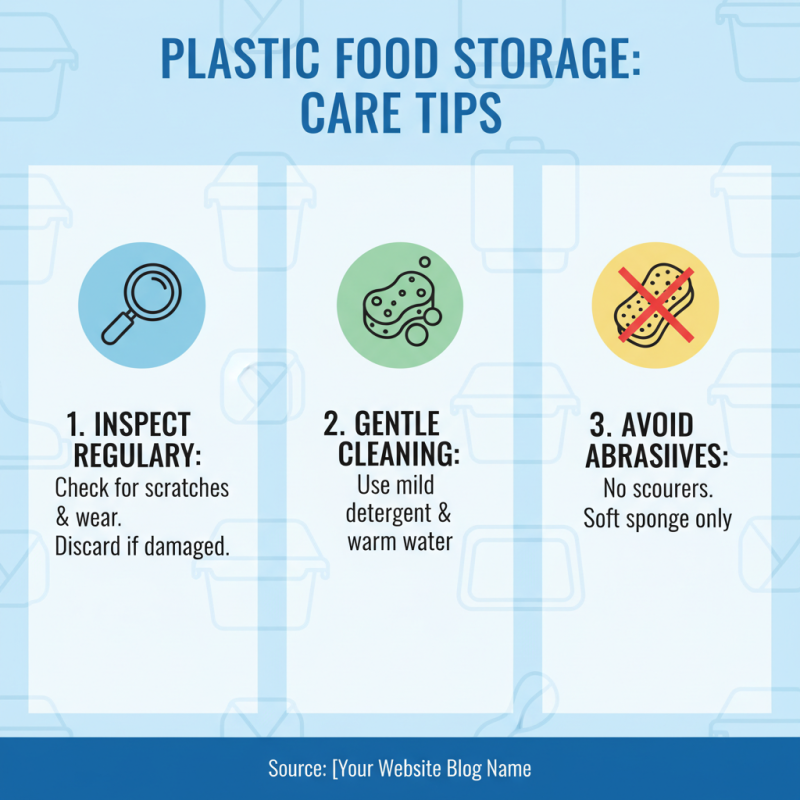
Understanding plastic types is only part of the equation. Proper usage and storage also play a significant role. Even safe plastics can pose risks if misused. Regularly inspect your food containers for scratches or wear. This can help prevent unwanted contamination. As you navigate options for food storage, striving for informed decisions is vital. Being proactive today can lead to a healthier tomorrow.
Understanding Different Types of Plastics Used in Food Storage
When it comes to food storage, the type of plastic used is crucial for safety. Various plastics serve different purposes. PET (polyethylene terephthalate) is common in beverage bottles. It is generally considered safe for one-time use but can leach chemicals when reused. According to a study by the National Institutes of Health, repeated exposure to harsh conditions may increase these risks.
Another widely used plastic is HDPE (high-density polyethylene). This plastic is durable and resistant to chemicals. It is often used in containers for milk and household products. A 2020 report by the Food and Drug Administration highlights its safety for food contact. However, not all HDPE is created equal, so always check for the recycling code.
Tips: Look for plastics marked with a recycling code of 1 or 2. These are generally safer. Avoid plastics labeled with 3, 6, or 7, as they may contain harmful additives. When storing hot foods, opt for glass instead. This reduces the risk of chemical leaching.
Understanding plastic types helps make better choices. Awareness of the potential risks associated with certain plastics can also lead to healthier eating habits. Continuous education on this topic is essential for maintaining safe food storage practices.
How to Choose Safe Plastic for Food Storage and Packaging?
| Plastic Type |
Material Code |
Uses |
Safety Rating |
Notes |
| Polyethylene Terephthalate |
PETE or PET |
Bottles, Food containers |
Safe |
Recyclable, commonly used |
| High-Density Polyethylene |
HDPE |
Milk jugs, Juice bottles |
Safe |
Strong and resistant to impact |
| Polyvinyl Chloride |
PVC |
Food wrap, Plastic sheets |
Caution |
Can release harmful chemicals |
| Low-Density Polyethylene |
LDPE |
Grocery bags, Food wraps |
Safe |
Flexible and used for bags |
| Polypropylene |
PP |
Yogurt containers, straws |
Safe |
Resistant to heat and chemicals |
| Polystyrene |
PS |
Disposable cutlery, cups |
Caution |
Can leach chemicals when heated |
| Other |
Other |
Various food containers |
Varies |
Check for safety ratings |
Identifying Safe Plastics: BPA, Phthalates, and Other Chemicals to Avoid
When it comes to food storage and packaging, choosing the right type of plastic is crucial. Recent studies point out that certain chemicals in plastics can be harmful to health. Bisphenol A (BPA) and phthalates are two significant culprits that have raised concerns. BPA is linked to endocrine disruption, while phthalates can affect reproductive health. The CDC reports that over 90% of Americans have BPA in their bodies, indicating widespread exposure.
Understanding which plastics are safe can seem daunting. Always look for plastics labeled as "BPA-free." Polyethylene (HDPE), polypropylene (PP), and low-density polyethylene (LDPE) are generally considered safer options. In contrast, avoid plastics numbered 3, 6, and 7, which may contain harmful chemicals.
Tips to consider: Always inspect your plastic containers for scratches or cracks. These areas can leach chemicals more easily. Use glass or stainless steel when possible for better safety. Remember, even some "safe" plastics can break down over time. Stay informed about newer studies on plastic safety to ensure your food storage practices are the best they can be.
Recognizing Food Safety Symbols and Labels on Plastic Packaging
When choosing safe plastic for food storage, understanding the various food safety symbols is crucial. Each symbol provides specific information about the plastic's composition and usability. For instance, the recycling symbols indicate the type of plastic and its recyclability. A triangle with a number can signify whether that plastic is safe for food contact. Some may not even realize the implications of these numbers, which range from 1 to 7, affecting their decision-making.
It’s also important to recognize any labels that indicate BPA-free or phthalate-free materials. These labels can give consumers peace of mind about potential chemical leaching into food. However, not all plastics will bear such labels. Sometimes, the absence of labels can be suspicious. Consumers must educate themselves about safe options and remain skeptical of low-cost plastics that may compromise safety.
Pay attention to how you store food as well. Some plastics are not suitable for the microwave or dishwasher, which can further release harmful chemicals. Always consider the temperature and type of food before making choices. It’s easy to overlook these details, but doing so can make a significant difference in food safety. Investing time in understanding these symbols ensures better health outcomes for you and your family.
Food Safety in Plastic Packaging
This chart represents the percentage of consumers who prefer different types of safe plastics for food storage based on a survey conducted in 2023. The data reflects growing awareness of food safety standards associated with plastic packaging.
Best Practices for Storing Food in Plastic Containers
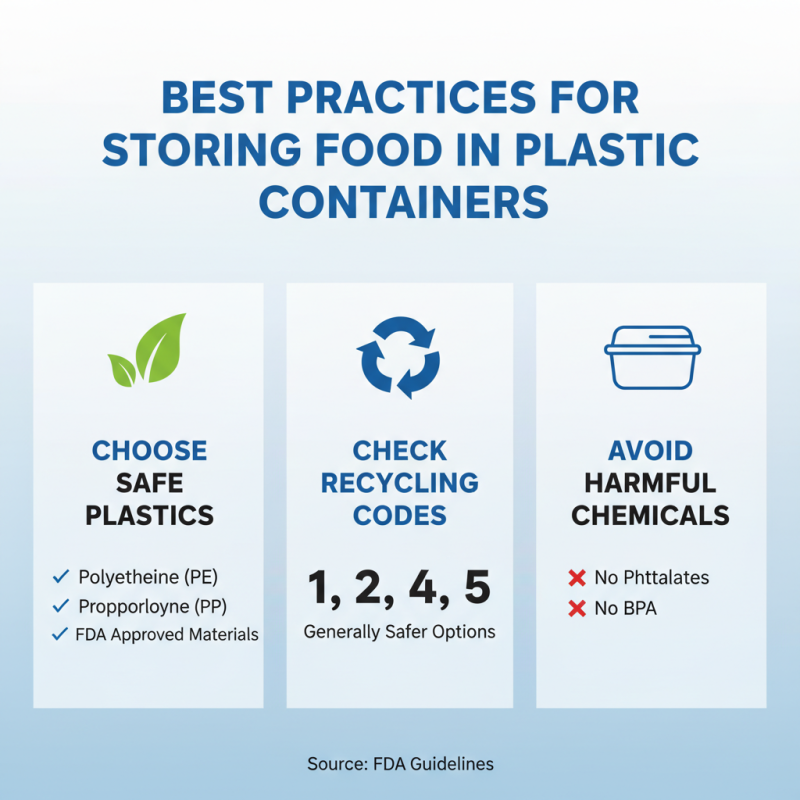
When it comes to storing food, choosing the right plastic containers is essential. Many plastics contain chemicals that can leach into food. According to the FDA, certain plastics are deemed safe for food contact, such as polyethylene and polypropylene. These materials are commonly used in food packaging. However, it's crucial to check for recycling codes. Look for codes 1, 2, 4, and 5, which are generally regarded as safer options.
Tip: Always choose containers labeled as “BPA-free.” Bisphenol A (BPA) is a chemical often found in polycarbonate plastics. Research shows that BPA can disrupt endocrine functions, leading to health concerns. Opting for BPA-free containers allows you to store food more safely.
Proper storage is as important as the type of plastic. Avoid exposing food to high heat in plastic containers. This can increase the risk of harmful chemicals leaching into food. Also, keep plastic containers away from direct sunlight. Heat and light can break down the plastic, making it less safe for food storage.
Tip: Use glass or stainless steel containers for long-term storage when possible. These materials do not leach chemicals and provide a more reliable option. Remember, the safety of food storage goes beyond just the choice of plastic. It's a combination of selecting appropriate materials and practicing safe storage methods.