What Are Plastic Baggies Used For in Packaging?
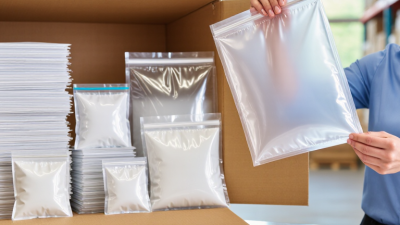
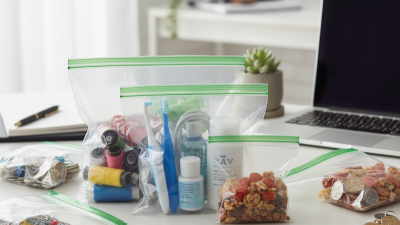
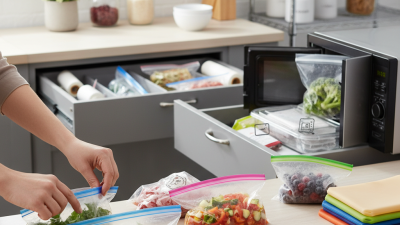
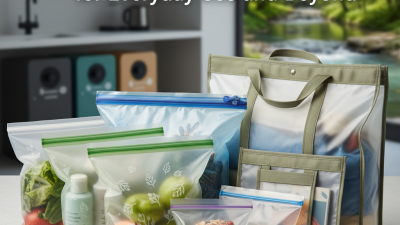
Plastic Baggies are small, versatile packaging tools used to protect, organize, and present many everyday products. Their transparent film lets workers identify contents without opening the package. A resealable zipper can help reduce dust, moisture, and accidental spills during storage or transport. In retail, households, laboratories, workshops, and light manufacturing, these bags hold items such as hardware, stationery, food portions, samples, and small components.
The market is larger than it appears. Smithers’ The Future of Global Flexible Packaging to 2028 describes flexible packaging as a major global packaging sector, driven by convenience, lightweight materials, and efficient shipping. The Flexible Packaging Association also reports that flexible packaging generates tens of billions of dollars in annual U.S. sales. However, many industry reports combine Plastic Baggies with pouches, films, and other flexible formats. Exact baggie-specific figures remain difficult to verify. That limitation matters.
Performance depends on the application. Low-density polyethylene bags offer flexibility and visibility, while thicker films provide stronger puncture resistance. Anti-static versions can protect sensitive electronic components. Food-contact applications require appropriate materials, sealing quality, and hygienic handling. A bag that feels strong may still fail under sharp edges or excessive weight. Small details matter.
Sustainability requires honest evaluation. The OECD’s Global Plastics Outlook found that only about 9% of global plastic waste was recycled in 2019. Reusable systems, right-sized packaging, recycled content, and responsible disposal can reduce unnecessary waste. Yet no single option solves every packaging problem. Buyers should examine product protection, material thickness, reuse potential, and local recycling access before choosing Plastic Baggies. Practical packaging is not merely convenient. It must also be measurable, safe, and suitable for its real working conditions.
Plastic Baggies Defined: PE Films, Sizes, Closures, and ASTM Standards
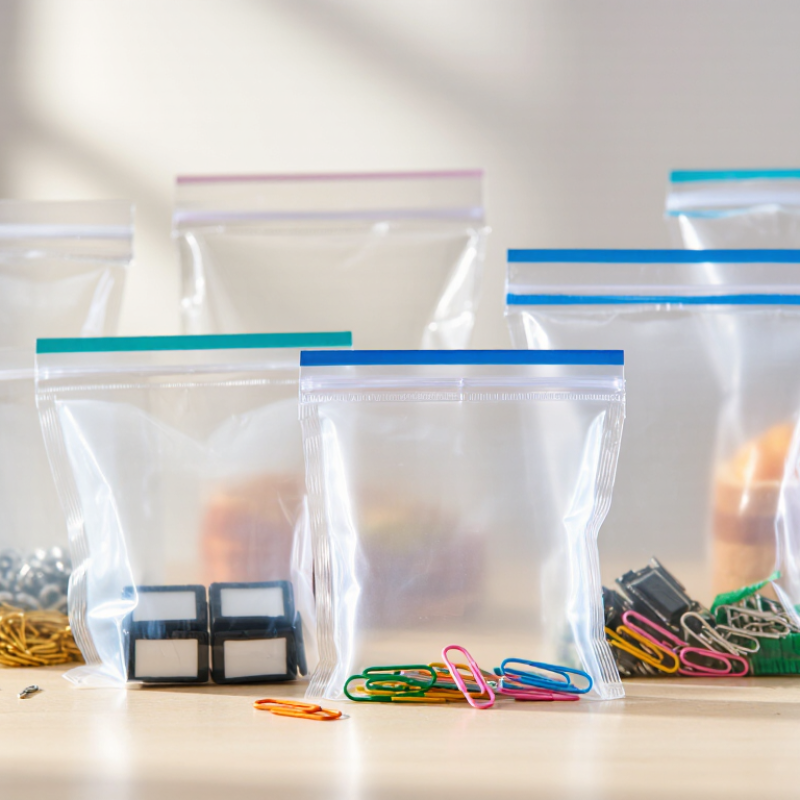
Plastic baggies are small, flexible packaging pouches made mainly from polyethylene (PE) film. Low-density PE offers softness and clarity, while linear low-density PE improves puncture resistance and sealing strength. High-density PE feels stiffer and provides better moisture protection. According to the OECD’s Global Plastics Outlook, global plastics production reached 460 million tonnes in 2019, while packaging generated about 142 million tonnes of plastic waste. That scale makes film selection important, not cosmetic.
Typical baggie sizes range from tiny 2 × 3-inch pouches for hardware to larger 12 × 16-inch bags for garments or documents. Thickness often falls between 1.5 and 6 mil, depending on load, abrasion, and reuse expectations. Closures include press-to-close tracks, adhesive flaps, fold-over seals, and heat seals.
A zipper feels convenient. It can still fail when dust enters the track. ASTM D882 evaluates tensile properties, ASTM D1709 measures impact resistance, and ASTM F88 assesses seal strength. These methods support quality decisions, but they do not automatically prove product safety or regulatory compliance.
Packaging teams should record film type, thickness, dimensions, closure style, and test conditions on every specification sheet. ASTM D3078 can help detect leaks in flexible packages, although laboratory results may not match rough warehouse handling. The Ellen MacArthur Foundation reports that packaging represents a major share of plastic use and waste, encouraging lighter designs and better recovery systems. Smaller is not always better. A thinner bag may save material yet tear during filling. Real handling trials remain necessary.
Food Packaging Uses: FDA Food-Contact Rules and Moisture-Barrier Functions
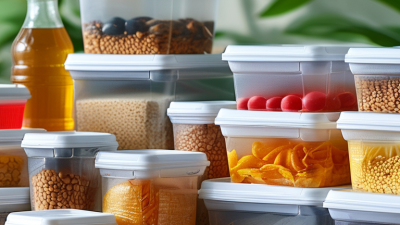
Plastic baggies are widely used for snacks, produce, powders, and ready-to-eat ingredients. Their value depends on more than appearance. A practical review starts with food-contact compliance. The U.S. Food and Drug Administration requires each plastic component to be authorized for its intended food, temperature, and contact conditions. Relevant pathways may include 21 CFR regulations, food-contact notifications, or other recognized authorizations. A common mistake is treating “food grade” as universal approval. It is not. The film, colorants, adhesives, and printing inks may require separate evaluation.
Moisture control is equally important. For crackers, cereal, or dried fruit, a bag with low water vapor transmission helps preserve crispness and reduce clumping. ASTM F1249 and ASTM E96 are commonly used to measure water vapor transmission, although laboratory results may not match warehouse conditions. Heat, humidity, pinholes, and weak seals can quickly reduce protection. USDA estimates that 30% to 40% of the U.S. food supply is wasted, making packaging performance worth serious attention. Still, a bag cannot correct poor sanitation or excessive storage time. That assumption needs revisiting. Packaging engineers should compare WVTR data, seal strength, thickness, and intended shelf life before selecting a structure. A thinner bag may save material, but it can also create more punctures during filling and transport.
Medical Packaging Applications Under ISO 11607 Sterile-Barrier Requirements
What Are Plastic Baggies Used For in Packaging?
Medical plastic baggies can protect components, procedure kits, and non-sterile accessories from dust, moisture, and handling damage. Under ISO 11607-1:2019, however, a bag becomes a sterile barrier only when its materials, seals, and opening method are validated. Appearance is not enough.
A clean-looking bag may still fail. ISO 11607-2:2019 requires documented forming, sealing, and assembly processes. Practical testing may include seal-strength testing under ASTM F88, dye penetration under ASTM F1929, or bubble emission under ASTM F2096. These tests expose weak corners, channels, and inconsistent heat seals. A bag should also fit the product closely. Excess space can increase abrasion during transport. Too little space can stress the seal.
The OECD’s Global Plastics Outlook reports 353 million tonnes of plastic waste in 2019, with packaging representing about 40 percent. Medical packaging therefore needs a careful balance between protection and material reduction. Thinner film is not automatically better. It may crease, puncture, or lose seal strength. ISO 11607 does not prescribe one resin, thickness, or bag format. It requires evidence that the selected system maintains sterility through distribution and opening. In real validation work, the weakest result often matters most. That detail is easy to overlook.
What Are Plastic Baggies Used For in Packaging?
Medical packaging applications under ISO 11607 sterile-barrier requirements
Plastic baggies may be used as preformed sterile-barrier systems or as protective packaging for medical components. Under ISO 11607, suitability depends on material compatibility, sterilization compatibility, seal integrity, aseptic presentation, and validated forming or sealing processes. The chart uses a requirement-applicability scale: 1 = directly applicable, 0 = not a standalone ISO 11607 requirement.
Retail and Industrial Uses Across the $1.05 Trillion Packaging Market
Plastic baggies are practical packaging tools across retail and industry. Within the estimated $1.05 trillion global packaging market, they serve both simple and specialized needs. Market estimates vary by scope and year, so the figure needs careful interpretation.
Retail staff use clear baggies for beads, stationery, cables, cosmetics, and small household items. A transparent wall helps customers check color, size, and quantity without opening the package. Resealable closures also reduce spills during storage. That convenience matters. In industrial settings, baggies protect fasteners, electronic components, medical supplies, and replacement parts from dust and moisture. Factories may add labels, barcodes, or batch numbers for traceability. Packaging audits often reveal one weakness: oversized bags create avoidable material waste.
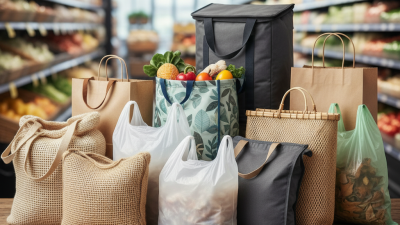
Tips: Select the smallest suitable size. Check seal strength before filling. For sensitive parts, confirm moisture protection through testing. Store bags away from heat and sunlight. Recycling can be complicated because collection systems differ by region. A bag labeled recyclable may not be accepted locally. This gap deserves more attention. Decisions should consider product protection, labor time, shipping space, and end-of-life handling together.
Sustainability Challenges: The OECD’s 9% Global Plastic Recycling Rate
What Are Plastic Baggies Used For in Packaging?
Plastic baggies protect small products from dust, moisture, spills, and handling damage. Warehouses use them for screws, cables, samples, stationery, and food portions. Their transparent film also supports quick identification and simple inventory checks. However, convenience can hide a serious environmental cost. The OECD reports that only about 9% of global plastic waste is recycled. Most plastic packaging is discarded, burned, or lost into the environment.
Thin baggies are especially difficult to recover. Their flexible film can block sorting machines or slip through collection screens. Food residue makes recycling harder. Mixed materials create another problem. A zipper, label, or adhesive strip may require different processing. In practical packaging work, I have seen clean bags reused many times. I have also seen nearly empty bags thrown away immediately. That habit deserves honest review.
Tips: Choose the smallest suitable bag. Avoid unnecessary double wrapping. Keep used bags clean and dry when reuse is realistic. Select recyclable formats only when local facilities accept them. Ask suppliers for clear material information. Recycling symbols can mislead. Collection access matters more. A reusable container may work better for repeated shipments, although it can require more storage space and cleaning. Mistakes happen. The goal is not perfect packaging, but less avoidable waste.