Wholesale buyers need Cat Litter Bags that protect the product, run smoothly on packing lines, and arrive consistently. A bag can look sturdy on a sample table yet split at the bottom when filled. That small failure becomes costly across a large order.
This guide compares practical choices by material, thickness, closure, size, print quality, and supplier reliability. It also considers how bags handle dust, storage, transport, and repeated lifting. Ask for samples. Check the seals. Test bags with the intended litter weight, not an empty demonstration bag. These checks cannot remove every risk, but they make purchasing decisions more grounded.
Packaging educator Walter Soroka is a relevant industry reference, but no verified quotation from him about cat litter bags is available here. To avoid inventing a quote, this introduction uses an editorial buyer’s rule of thumb instead: “Choose the bag that performs reliably in real use, not merely the one that looks strongest on paper.” It is a simple principle. Still, specifications alone can mislead; supplier communication and sample testing matter too. The sections ahead help wholesale buyers compare options carefully and identify the details worth confirming before placing an order.
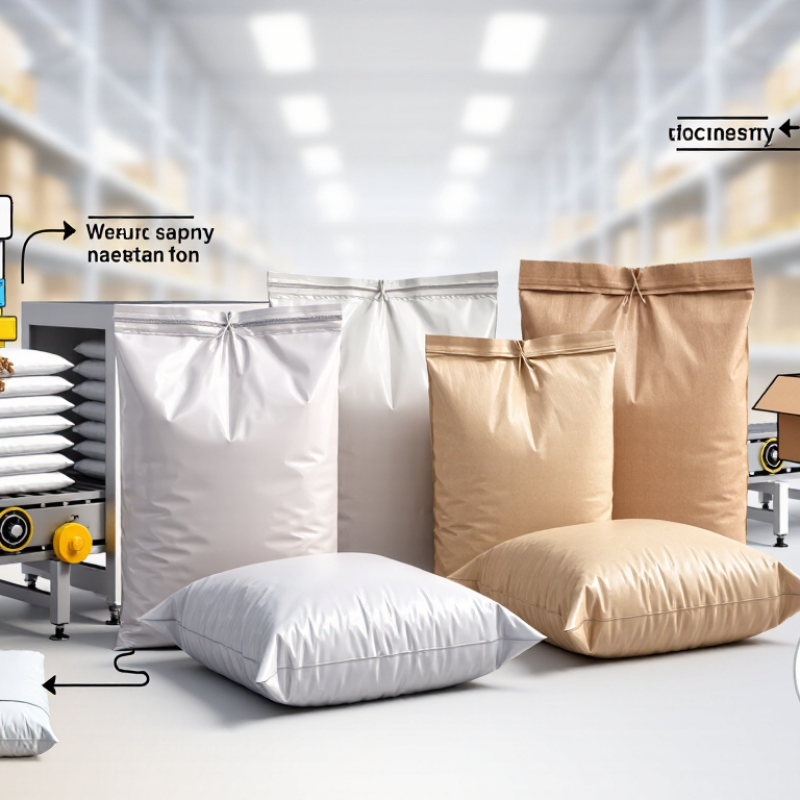
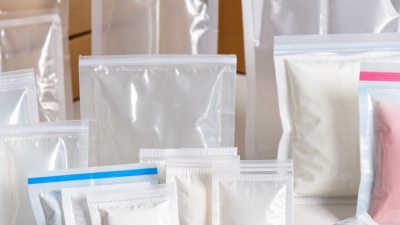
Cat litter bags are durable packages designed to contain granular, often heavy material from filling through storage and use. They may be made from plastic film, woven material, or layered structures, depending on the product and handling needs. Their key jobs are simple: hold weight, limit spills, and keep litter protected from moisture and dirt. A weak seal can turn a tidy pallet into a dusty cleanup.
Wholesale buyers assess more than the printed design. They compare bag capacity, film thickness, closure style, handle strength, and how many units fit on a pallet. Ask suppliers for specifications and samples, then check filled bags for seam stress and lifting comfort. Small detail, big consequence. Buyers also coordinate bag dimensions with filling equipment and warehouse space. A package that runs smoothly on one line may wrinkle or jam on another. That is easy to overlook. Some purchasing plans focus heavily on unit price, but damaged bags, slow packing, and excess storage can change the real cost. Test the packaging with the actual litter and shipping conditions before placing a large order. The test may reveal an awkward weakness. That is useful.
Common Cat Litter Bag Fill Sizes
Common package sizes include 5, 10, 20, and 40 lb bags, though available sizes vary by litter type and supplier. Wholesale buyers can use fill weight to compare pack formats and plan product mixes for different storage and customer needs.
Cat litter is heavy, dusty, and sometimes sharp-edged. Packaging must handle repeated lifting without splitting at the seams. Woven polypropylene offers strength for larger bags, while polyethylene film provides a smooth surface and useful moisture resistance. Laminated structures can add print clarity and stiffness, but extra layers may complicate recycling. Recycled content is another option, though its consistency should be checked with sample bags before a large order. Small differences matter.
Bag design affects storage and handling. Side gussets expand to hold bulky litter, while a flat-bottom design can stand steadily on a warehouse pallet. Reinforced handles help when shoppers carry heavier sizes, but weak handle seals can fail under strain. A resealable closure may reduce spills after opening. Ask suppliers to test filled bags for seam strength, drop resistance, and leakage. Test real loads, not just empty samples.
Tips: Match film thickness and bag size to the litter’s weight and texture. Check whether dusty powder escapes through seams after handling. Request a production sample and inspect its corners, print, and closure. One detail is easy to miss: a bag that stacks well may still be awkward to pour. Short user trials can reveal that before ordering in bulk.
For wholesale buyers, a cat litter bag must handle more than shelf display. It needs to carry a heavy, shifting load from packing line to home. Check the bag’s stated weight capacity against the product’s actual fill weight, not just its volume. A wide base can help the package stand upright, while reinforced seals reduce the chance of litter leaking during handling. Small details matter.
Material choice affects strength, feel, and storage. Thicker film may resist punctures from coarse litter, but it can also increase material use and shipping weight. Ask suppliers for samples filled with the intended litter, then lift, stack, and transport them as customers might. Test the seams. A bag that looks sturdy on a screen may behave differently when dusty or overfilled. That is easy to overlook.
Closures should be practical for both packing and repeat use. A reliable zipper or resealable strip can help limit spills, though it should still work after fine dust collects around the opening. Clear labeling, readable handling instructions, and consistent dimensions make warehouse sorting easier. For bulk orders, confirm print alignment, roll or carton specifications, and production tolerances before approving a run. No single feature guarantees performance; real fill tests and clear quality checks provide a better basis for choosing.
| Feature | Common Wholesale Options | What Distinguishes the Bag | Buyer Consideration |
|---|---|---|---|
| Bag format | Woven polypropylene sacks, flexible plastic bags, and paper-based sacks | Construction affects handling, storage, printability, and resistance to rough transport. | Match the format to the litter’s weight, distribution method, and filling equipment. |
| Material and construction | Single-layer or laminated film; woven fabric with an inner liner; multi-ply paper | Different constructions provide different levels of stiffness, containment, and resistance to tearing. | Request samples and check filled bags for seam strength and handling performance. |
| Pack size and capacity | Retail packs commonly range from a few kilograms to around 20 kg; larger formats may be available for bulk supply. | Bag dimensions and structure need to suit both the product’s weight and its volume. | Confirm packed dimensions and test with the actual litter, since density varies by material and formulation. |
| Moisture protection | Uncoated, coated, or laminated options, depending on material and intended use | A suitable barrier can help limit moisture exposure during storage and transport. | Specify the required protection and validate it under expected storage conditions. |
| Closure and sealing | Heat-sealed tops, sewn closures, adhesive closures, or resealable features | Closure choice affects filling-line compatibility, leak control, and convenience after opening. | Check that the closure works with the filling process and the product’s particle size. |
| Handles and carrying | Die-cut handles, reinforced handles, or no handle | Handle design can make heavier retail packs easier to carry, but adds design and strength requirements. | Test handles on filled bags; avoid relying on a handle without checking its load performance. |
| Print and labeling | Flexographic printing, digital printing for suitable runs, or plain bags with applied labels | Print method affects artwork flexibility, production setup, and suitability for different order quantities. | Confirm print area, color requirements, required product information, and artwork approval process. |
| Pallet and transport efficiency | Flat-packed empty bags or preformed bags, with case and pallet quantities set by supplier | Pack configuration influences warehouse space, loading, and replenishment planning. | Compare packed dimensions, minimum order quantity, lead time, and pallet configuration before ordering. |
| Recycled-content and recyclability claims | Material options and claims vary by construction and local recycling systems. | Multi-material laminates and attached components may affect recyclability in some locations. | Request documentation for any environmental claim and check local collection and recycling guidance. |
Specifications, available formats, and performance vary by supplier and product. Confirm final requirements with samples and written specifications before placing a wholesale order.
Choosing cat litter bags starts with the product inside. Fine clay litter can settle heavily at the bottom, so check bottom-seal strength and test filled bags for leaks. Lightweight, dust-free litter may need less reinforcement, but its larger volume can strain side seams. For plant-based pellets, moisture resistance matters during storage and transport. Compare film thickness, handle design, seal quality, and bag capacity using the actual litter—not an empty sample. Small details show up fast.
Market conditions also shape the right specification. The American Pet Products Association’s 2025 State of the Industry report estimates U.S. pet-industry spending reached $152 billion in 2024. That broad figure does not predict litter-bag demand by itself, but it signals a sizable, varied pet market. Regional buyers may favor compact packs for smaller homes, while warehouse retailers often need larger formats and sturdy carrying handles. Ask buyers about shelf dimensions, typical basket size, and shipping conditions before fixing bag dimensions. One fit rarely serves every channel.
Tips: Request filled samples and run drop, seal, and stacking checks. Test under humid storage conditions if bags may sit in a damp warehouse. Record results by litter type and bag size; a quick visual check alone can miss weak seams. Be cautious with recycled-content claims: verify supplier documentation and test performance, since the material may behave differently from batch to batch.
Wholesale buyers should test cat litter bags under the conditions customers actually use. Fill a sample with damp, clumping litter and lift it by the handles. Check the seams for stretching, pinholes, and leakage. Small details matter. Film thickness alone does not prove durability; resin quality, sealing, and bag shape also affect performance. A bag that tears during cleanup can undermine customer trust, even when its printed design looks polished.
Customization should support practical use, not just shelf appeal. Confirm bag dimensions, handle style, roll-core size, perforation quality, and print placement before approving production. Ask for a physical sample, since colors and film feel can differ from screen previews. Simple artwork is often easier to reproduce consistently. Not always. A complicated design may still work, but buyers should review a production sample and confirm any changes in writing.
Supply availability deserves the same scrutiny as product quality. Ask suppliers about minimum order quantities, repeat-order lead times, and how they handle material shortages. Request realistic delivery windows rather than relying on a best-case estimate. Compare samples from more than one production run when possible. One sample cannot reveal every variation, and I would leave room for that uncertainty. Keep a small reserve if storage allows, especially before seasonal demand rises.