What Are the Top Food Plastic Wrap Suppliers Globally?
Choosing the right Food Plastic Wrap supplier affects product safety, packaging efficiency, and customer confidence. A dependable supplier should offer stable film thickness, clean winding, strong cling, and consistent cutting performance. These details become obvious when a roll tears unevenly or fails around a chilled tray.
This article examines leading suppliers across North America, Europe, and Asia. It considers manufacturing experience, production capacity, quality-control systems, and food-contact documentation. It also reviews material options, including PVC, PE, and newer alternatives designed to reduce environmental impact. Reliable suppliers should explain their resin sources, testing procedures, minimum order quantities, and delivery capabilities clearly.
No supplier is perfect.
A practical comparison must look beyond company size or attractive pricing. Buyers should examine sample rolls, carton protection, labeling accuracy, and performance during real kitchen or industrial use. A film that clings well in a showroom may behave differently inside a cold warehouse. That difference matters.
The discussion also considers certifications, traceability, technical support, and responsiveness after shipment. These factors reveal whether a supplier can support long-term purchasing rather than one successful order. Sustainability claims deserve careful review, too. “Eco-friendly” can mean different things without measurable data, verified materials, or transparent disposal guidance.
Some information may change as factories expand, standards evolve, or regional logistics shift. Therefore, this overview is a starting point, not a final purchasing decision. Readers should confirm current specifications directly with suppliers and request recent compliance documents before placing orders.
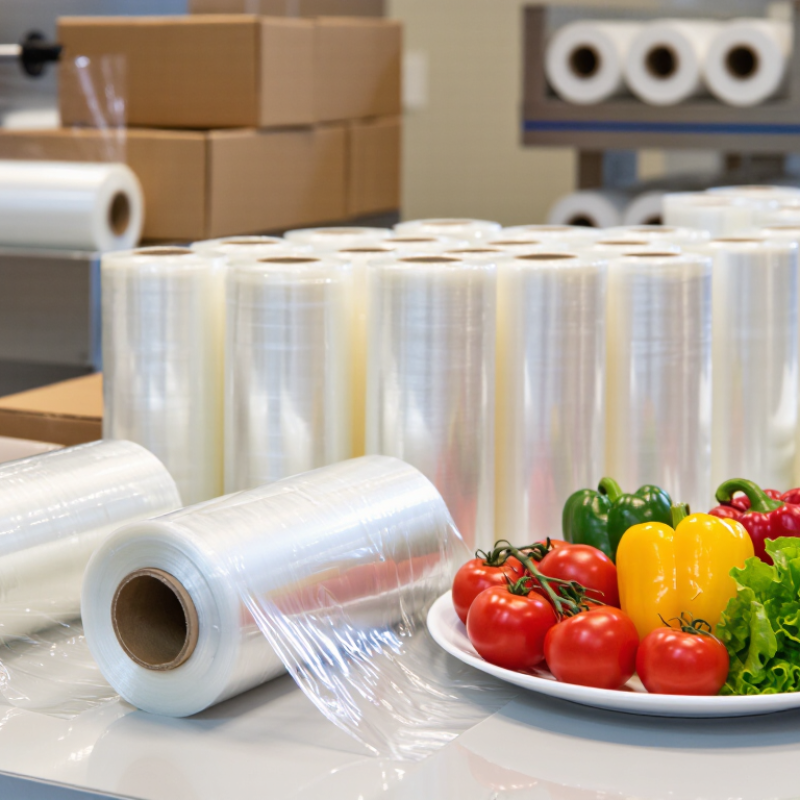
What Is Food Plastic Wrap and Why Does Supplier Choice Matter?
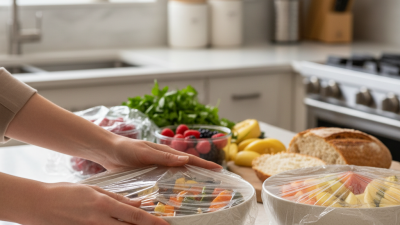
Food plastic wrap is a thin, flexible film used to cover, protect, and preserve food. It may be made from polyethylene, polyvinyl chloride, or other approved food-contact materials. The film helps reduce moisture loss, odors, dust, and surface contamination during storage. A good wrap clings evenly around a bowl, stretches without tearing, and remains stable in suitable temperature conditions.
Supplier choice matters because the film touches food directly. In practical packaging evaluations, I check material specifications, migration testing, thickness consistency, and production traceability. A reliable supplier should provide clear technical documents and evidence of compliance with applicable food-contact requirements. They should also explain storage conditions, recycling information, and quality-control procedures. A low price can hide uneven rolls, weak seals, or unexpected odor. These problems waste food and create costly complaints.
Tips: Request samples from each supplier. Test them on wet, oily, and cold foods. Check whether the wrap tears cleanly and clings without excessive force. Ask for recent test reports, batch records, and quality certificates. Confirm minimum order quantities and delivery capacity before signing an agreement. No supplier is perfect. Even experienced teams can overlook printing clarity or carton damage during transit. That is why small trial orders and documented inspections remain useful. A supplier’s response to a defect often reveals more than a sales presentation.
What Are the Top Food Plastic Wrap Suppliers Globally?
Global plastics production capacity provides useful context when evaluating food plastic wrap suppliers. Regions with larger polymer and converting industries generally offer broader material availability, stronger manufacturing ecosystems, and more flexible supply options.
Food plastic wrap is a thin polymer film used to protect food from moisture, oxygen, contamination, and odor transfer. Supplier choice matters because resin availability, food-contact compliance, film-processing capability, barrier performance, and logistics all affect product consistency and total cost. The figures shown are regional shares of global plastics production, not individual supplier or brand market shares.
Source: PlasticsEurope, Plastics – the Facts 2023, regional production data for 2022.
How Are Global Food Plastic Wrap Suppliers Classified?
What Are the Top Food Plastic Wrap Suppliers Globally?
How Are Global Food Plastic Wrap Suppliers Classified?
Global food plastic wrap suppliers are classified by material, product format, production scale, and compliance capability. The main materials include polyethylene, polyvinyl chloride, and bio-based or recycled-content films. Suppliers may produce household rolls, industrial pallet wrap, catering sheets, or machine-compatible film. This classification matters because a bakery needs different stretch, clarity, and sealing performance than a frozen-food processor.
Market reports show why this structure keeps changing. Grand View Research estimated the global cling film market at approximately US$1.1 billion in 2023, with steady growth expected through 2030. Smithers also identifies flexible packaging as a major growth area, driven by lightweight formats and convenience. However, these reports often group different film types together. Direct comparison can therefore be misleading.
A practical classification also separates suppliers by testing and traceability. Large converters usually offer multilayer films, laboratory testing, and high-volume contracts. Regional manufacturers may provide shorter lead times and customized widths. Specialty suppliers focus on microwave use, freezer resistance, or high oxygen barriers. Food safety documentation, migration testing, and batch tracking remain essential purchasing checks. The OECD reports that packaging creates about 40% of global plastic waste, making material efficiency increasingly important. Recyclability claims still require careful review. A thinner film is not automatically a better film.
Who Are the Leading Food Plastic Wrap Suppliers Worldwide?
Leading food plastic wrap suppliers worldwide are usually large film converters, flexible packaging manufacturers, and specialized producers serving supermarkets, restaurants, and food processors. Their strength comes from consistent film quality, stable supply, and documented food-contact controls. Leading suppliers should provide clear technical data, including thickness, cling performance, tensile strength, sealing behavior, and storage guidance.
Production experience matters in daily use. A reliable supplier can deliver rolls that unwind smoothly, resist tearing around sharp containers, and maintain adhesion in chilled storage. Many established manufacturers operate audited facilities with traceability systems, hygiene programs, and migration testing. They may also offer polyethylene or other suitable film structures for different food applications. Regional warehouses can reduce delivery delays, especially for buyers managing seasonal demand.
The best supplier is not always the largest. A glossy brochure proves little. Buyers should request recent test reports, production samples, batch records, and realistic lead times. Factory visits or independent audits can reveal details that sales materials omit. Pricing also needs careful review; thinner film may lower costs but increase breakage and waste. No supplier is perfect. Some provide excellent technical support but limited customization, while others offer flexible production with slower communication. Performance should be judged against actual kitchen conditions, not only laboratory claims. A practical trial with cold, wet, and irregular foods often exposes weaknesses early.