China’s produce supply chains move leafy greens, berries, and root vegetables through busy packing rooms and long transport routes. Produce Plastic Bags help protect and organize these crops, but bag choice is rarely simple. A thin film may reduce material use, yet tear under wet, crowded conditions. A thicker bag may hold up better, but add cost and plastic. Small details matter.
The FAO’s 2023 report, The State of Food and Agriculture, estimated that 13.2% of food was lost between harvest and retail in 2021. Packaging alone cannot prevent those losses. Still, suitable packaging can support handling and product protection. The OECD’s Global Plastics Outlook (2022) also found that packaging accounted for about 40% of global plastic waste in 2019. That figure makes material selection and waste-conscious design important considerations. It does not, by itself, tell buyers which bag performs best.
Postharvest specialist Dr. Lisa Kitinoja’s published guidance points to a practical rule: packaging should fit the crop, handling route, and storage conditions. That sounds obvious. It is often overlooked. For buyers comparing top Produce Plastic Bags manufacturers in China, useful checks include film thickness, seal strength, ventilation options, printing consistency, and sample performance under real packing conditions. Ask for specifications and test bags with the actual produce. A polished catalogue is not proof of reliable supply. Nor is the lowest quote always the best value. This overview introduces manufacturers through that practical lens, while recognizing that supplier claims still need independent verification.
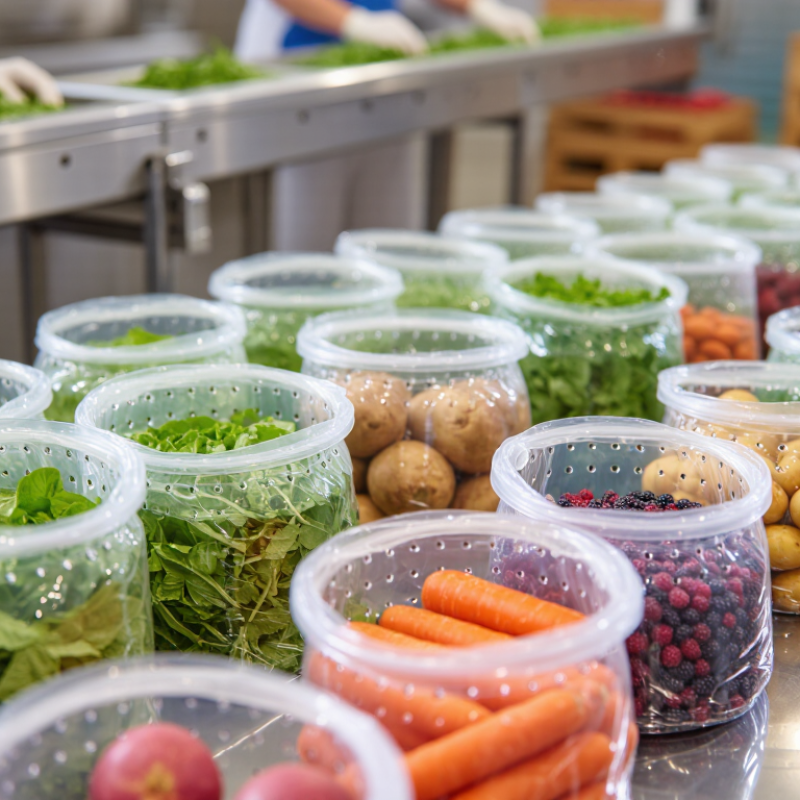
Top Produce Plastic Bags Manufacturers in China
Produce plastic bags are lightweight film bags made for holding fresh fruits and vegetables. They often have an open top and may include small perforations that allow some airflow. Common films include polyethylene types, with thickness and clarity chosen for the produce and packing process. The right bag should be clean, sturdy enough for handling, and suitable for contact with food.
These bags are used in supermarket produce sections, farmers’ markets, farms, and packing areas. Shoppers may use them for apples, leafy greens, peppers, or loose mushrooms. Packers use larger bags to group produce for storage or transport. But a bag does not keep every item fresh in the same way. Moisture needs differ, and delicate leaves can wilt or bruise if packed poorly. One easy-to-miss detail: packaging cannot restore freshness that has already been lost.
Tips: Match bag size to the produce, and avoid squeezing delicate items into a tight bundle. Check that the film is intended for food contact, and keep bags clean and dry before use. For leafy vegetables, a suitable perforated bag may help reduce trapped moisture, though results depend on the produce and storage conditions. That part takes judgment.
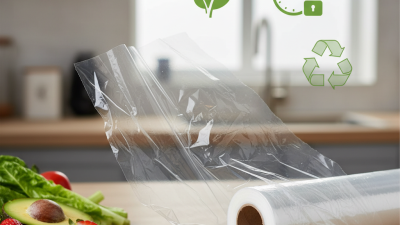
China’s produce-bag industry is organized around connected suppliers and converting factories, rather than one uniform production model. Resin suppliers provide polyethylene pellets, which manufacturers melt and form into thin film. Some factories handle extrusion, printing, bag cutting, and packing on one site. Others specialize in film or outsource selected steps. It varies.
A typical production line turns a wide film roll into smaller bags, then seals the sides and adds perforations or handle cuts as needed. On the factory floor, operators may check roll thickness with gauges and inspect seals by pulling sample bags. Printing and dimensions are usually set to a buyer’s specification. Small changes matter: a bag that feels too thin may tear when loaded with wet greens.
Quality systems differ between suppliers. Buyers commonly review material specifications, sample bags, production records, and test results before placing repeat orders. Traceability from resin batch to finished carton can make defects easier to investigate. Not always. Some smaller workshops have less integrated documentation, so purchasers may need to ask direct questions about inspection frequency and process control. The industry’s flexible structure can support varied order sizes, but coordination between film makers, printers, and bag converters may affect lead times.
A top Chinese produce bag manufacturer does more than quote a low price. It understands how bags behave around wet greens, chilled berries, and sharp stem ends. Ask about film thickness, bag dimensions, seal strength, and ventilation options. Good answers include test methods, not just reassuring claims. Request samples from a regular production run, then fill them with actual produce. Small practical checks matter. A sample can look perfect, yet bulk runs may vary.
Consistency is equally important. The supplier should control material inputs, monitor film gauge, and keep batch records. Ask how defects are found, complaints are tracked, and production dates are traced. A clear specification sheet helps prevent mismatches between a sample and a bulk order. Look for realistic lead times and production capacity, too. Promises are easy. Records are better.
Discuss food-contact suitability and documentation for the destination market, since requirements differ. Confirm that reports match the exact bag material, color, and intended use; generic paperwork may not answer the question. Check printing rub-off, perforation quality, and whether bags open easily with gloved hands. No factory is flawless. Buyers still need incoming inspections and written acceptance standards. That extra work can feel tedious, but it may catch problems before pallets reach a produce room.
Which Produce Plastic Bag Manufacturers Lead in China?
China’s leading produce-bag manufacturers are better identified by production consistency and traceability than by price alone. There is no single public ranking that reliably compares every factory. Buyers should assess film thickness, seal strength, print clarity, and batch-to-batch variation. A bag that looks sturdy under showroom lights may split when wet vegetables press against its seams. Small details matter. The OECD’s Global Plastics Outlook (2022) reports that packaging accounted for 31% of global plastic use in 2019. That scale makes material efficiency and clear product specifications important evaluation points for suppliers.
Ask for recent test records, sample rolls, and documented quality checks. Confirm how the manufacturer handles order changes, delivery schedules, and complaints. For food-contact packaging, request applicable documentation and verify that it covers the exact material and intended use. A factory’s stated capacity is useful, but it does not prove stable output during peak seasons. I would not treat a low quote as proof of better value; film weight and rejected-bag rates can change the real cost.
Tips: Compare samples from the same bag size and stated thickness. Check the handles and bottom seals after filling them with damp produce. Request written specifications before approving a production run. A little awkward, but worth it.
| Comparison Dimension | Produce-Bag Options or Data to Request | How to Compare Manufacturers |
|---|---|---|
| Food-contact compliance | Request a declaration of compliance and applicable test reports for the finished bag and its intended food-contact use. China’s GB 4806.7-2023 covers plastic materials and articles intended for food contact. | Check that documents identify the material, test scope, and intended conditions of use; do not rely on a general factory certificate alone. |
| Film material | Ask whether the bag is made from HDPE, LDPE, or LLDPE, and request the material specification for the proposed grade and bag application. | Compare material declarations and sample performance rather than assuming that a resin name alone guarantees strength or suitability. |
| Bag format | Common formats to specify include roll bags, flat bags, perforated tear-off bags, and handled bags. Provide the required opening, closure, and dispensing method. | Confirm that the supplier can provide the requested format and that perforations, seals, and dispensing work with the intended store or packing setup. |
| Dimensions and film thickness | Specify bag width, length, gusset if required, and film thickness in micrometres (μm). Request the agreed production tolerances in writing. | Compare measured samples with the agreed specification. Ensure thickness measurement method and tolerance are clearly stated. |
| Ventilation and produce suitability | State whether the bag needs holes or other ventilation features, and identify the produce and packing conditions for which it is intended. | Evaluate samples under the actual use conditions. Ventilation requirements vary by produce and packaging application. |
| Printing and identification | Specify whether printing is required, together with artwork, print area, colors, and any food-contact requirements applicable to inks and the finished article. | Request a printed production sample and confirm color, registration, and the supporting compliance documents for the intended use. |
| Quality-control checks | Agree checks for dimensions, thickness, appearance, seal integrity, and the performance tests relevant to the bag design. | Ask for the inspection plan, sampling approach, and batch records tied to the purchase specification. |
| Order and delivery terms | Request a written quotation stating order quantity, unit price, tooling or printing charges if applicable, production lead time, and shipping terms. | Compare quotations on the same bag specification and delivery basis; minimum order quantities and lead times are supplier-specific. |
| This anonymous comparison matrix provides procurement criteria, not a verified ranking of individual manufacturers. Confirm specifications and compliance documentation directly with each supplier. | ||
When comparing Chinese produce bag manufacturers, begin with the bag’s actual use. A bag for wet leafy greens needs different strength and ventilation from one used for apples. Share your target dimensions, thickness, load, closure style, and printing needs. Ask each supplier to quote against the same specification. Otherwise, a low price may simply reflect a thinner bag.
Request samples from a production run, not only a polished showroom sample. Check seal strength, pinholes, film clarity, and whether perforations tear cleanly. Measure thickness in several spots; one reading can hide variation. Details matter. Ask for written quality checks, batch traceability, and a clear process for handling defects. Confirm capacity using realistic order volumes and lead times, including busy seasons.
Documentation deserves equal attention. Request material specifications and food-contact documents relevant to your destination market, then verify their scope and validity. Ask how recycled content or compostability claims are substantiated; vague labels are not enough. Compare packaging, carton counts, and shipping terms alongside unit price. A small detail, like roll-core size, can disrupt an automated packing line. It is easy to overlook. I would also leave room for a trial order: specifications may look complete on paper, yet the bags can behave differently on a real packing line.
Resin identification codes help buyers check which common plastic materials a manufacturer offers for produce bags.
HDPE is identified by code 2, LDPE by code 4, and PP by code 5. These codes identify resin types; they do not guarantee that a bag is recyclable locally or suitable for food contact. Ask suppliers to confirm material composition and provide relevant documentation.