2026 Best Biodegradable Food Bags for Sustainable Packaging?
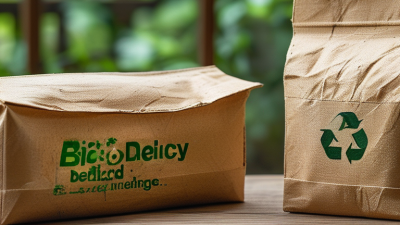
As sustainability gains momentum, the demand for Biodegradable Food Bags rises. Experts like Dr. Emily Green, a leading figure in eco-friendly packaging, emphasize their importance: "Switching to biodegradable options is crucial for reducing waste." These bags are designed to break down naturally, minimizing environmental impact.
In recent years, many brands have begun to adopt biodegradable materials. However, not all food bags labeled as biodegradable meet necessary standards. This lack of uniformity can create confusion for consumers seeking truly sustainable options.
The journey toward a greener future is not without challenges. Some biodegradable bags require specific conditions to decompose effectively. Understanding these nuances is essential for making informed choices. As we explore the best biodegradable food bags in 2026, we must also critically evaluate their effectiveness and ensure that they contribute meaningfully to sustainability.

Overview of Biodegradable Food Bags and Their Importance
Biodegradable food bags are emerging as a vital component in sustainable packaging. As the global plastic waste crisis intensifies, more consumers and businesses seek eco-friendly alternatives. According to the World Economic Forum, 300 million tons of plastic are produced annually, with a significant portion contributing to environmental degradation. Biodegradable bags help reduce dependency on conventional plastic, as they decompose naturally. This shift is crucial for reducing landfill pollution and promoting a greener planet.
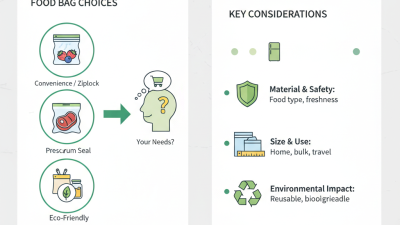
Selecting the right biodegradable bag involves understanding its materials and certifications. Options include bags made from plant-based materials, such as cornstarch. Reports indicate that these bags can decompose within months under suitable conditions. However, not all biodegradable options perform equally. Some may require industrial composting facilities to break down effectively. Understanding these nuances is essential for making informed choices.
When choosing biodegradable bags, look for certifications that guarantee compostability. Consumers should seek products that meet ASTM D6400 or EN 13432 standards. Also, consider the bag's intended use and how it interacts with your food. Not all biodegradable bags are suitable for all types of food products. Ultimately, being mindful of these details can significantly impact your environmental footprint.
Types of Biodegradable Materials Used in Food Bags
Biodegradable food bags are gaining popularity as a sustainable packaging option. Various materials are used to create these bags, primarily plant-based plastics, compostable poly bags, and those made from recycled paper. Research by the Biodegradable Products Institute (BPI) indicates that adopting biodegradable options can reduce landfill waste by up to 40%.
Plant-based plastics, such as polylactic acid (PLA), are derived from corn or sugarcane. These materials break down in commercial composting facilities, but their effectiveness depends on proper conditions. Meanwhile, compostable poly bags offer a similar breakdown period. However, they require specific temperature and humidity levels to decompose effectively. Recycled paper bags, often coated with biopolymers for moisture protection, provide another eco-friendly option. While they are recyclable, they can also contribute to food preservation without harming the environment.
Tips for consumers: Always check for certification labels on biodegradable bags. Understanding the specific conditions for biodegradation is crucial for effective disposal. Also, be mindful that not all biodegradable materials will break down in home composting setups. Consider consulting local waste management guidelines to ensure your choices contribute positively to the environment. This informed approach is essential for meaningful sustainable practices.
Top Brands Offering Sustainable Biodegradable Food Bags in 2026
In 2026, the market for biodegradable food bags is evolving rapidly. Many brands are responding to the growing demand for sustainable packaging. A survey by the Sustainable Packaging Coalition revealed that 72% of consumers prefer eco-friendly options. This trend pushes brands to innovate, moving away from traditional plastic to bio-based materials.
Top companies are exploring plant-based polymers and compostable options. These materials break down naturally, reducing landfill waste significantly. A report from MarketsandMarkets predicts that the global biodegradable packaging market will reach $600 billion by 2027. This growth highlights the increasing consumer awareness of environmental impacts.
However, challenges remain. Biodegradable bags often come with higher production costs. Consumer education is essential to address misconceptions about biodegradability. Many still confuse traditional plastics with biodegradable alternatives. Clear labeling and transparent manufacturing processes are vital for building trust and ensuring proper disposal methods. The path to sustainability is filled with hurdles, yet the progress in biodegradable food bags shows promise for a greener future.
2026 Best Biodegradable Food Bags for Sustainable Packaging
| Bag Type |
Material |
Size (L x W x H) |
Compostable** (Yes/No) |
Recyclable (Yes/No) |
Price ($/pack) |
| Grocery Bags |
PLA (Polylactic Acid) |
12” x 13” x 5” |
Yes |
No |
12.99 |
| Sandwich Bags |
PBAT + PLA |
7” x 7” |
Yes |
Yes |
9.99 |
| Fruit & Veg Bags |
Corn Starch |
15” x 12” |
Yes |
No |
14.99 |
| Trash Bags |
Recycled Materials |
30 Gallons |
Yes |
Yes |
19.99 |
| Compost Bags |
Starch-Based Material |
30 Gallons |
Yes |
No |
17.99 |
Benefits of Using Biodegradable Food Bags for the Environment
The growing concern over plastic pollution has fueled interest in biodegradable food bags. These bags break down more naturally than traditional plastics, significantly reducing landfill waste. According to a study by the World Economic Forum, global plastic production could reach 1.8 billion tons by 2030 if current trends continue. This alarming figure highlights the urgency of adopting sustainable alternatives like biodegradable options.
Biodegradable food bags offer several environmental benefits. They are typically made from organic materials that can decompose in various conditions. Research indicates that such bags can break down within 90 to 180 days, depending on the environment. In contrast, conventional plastic can take hundreds of years to decompose. By reducing the time waste remains in landfills, we can lessen greenhouse gas emissions during decomposition. The EPA reports that landfills contribute to about 18% of methane emissions in the U.S., a potent greenhouse gas.
While biodegradable options present a more eco-friendly choice, challenges remain. Not all biodegradable bags are created equal; their effectiveness can vary based on environmental conditions. Users must be educated on proper disposal methods to ensure bags decompose as intended. Awareness and more rigorous testing of these products can enhance their reliability and efficacy in the move toward sustainable packaging.
Comparative Analysis: Biodegradable vs. Conventional Food Packaging
The shift towards biodegradable food packaging is gaining momentum. Consumers are increasingly aware of environmental issues. Conventional food packaging often ends up in landfills, taking years to decompose. In contrast, biodegradable options break down more quickly and integrate back into the environment. This can significantly reduce plastic waste.
When choosing biodegradable bags, it's essential to look for certifications. Some materials degrade faster than others, depending on conditions. Temperature and humidity play critical roles in the decomposition process. Awareness of these factors can guide better decisions for sustainable practices.
Consider using reusable containers when shopping. They help reduce reliance on single-use bags. Recycled paper options also offer a more eco-friendly alternative. Evaluating the trade-offs between convenience and environmental impact is crucial. Effective choices can encourage a more sustainable future for food packaging.