2026 Best Disposable Plastic Innovations for Everyday Use?
The landscape of disposable plastic innovations is rapidly evolving, particularly in everyday use. In 2021, the global disposable plastic market was valued at approximately $82 billion and is expected to grow. This surge reflects the increasing demand for convenience and efficiency across various industries. However, the environmental impact of disposable plastic remains a pressing issue, with millions of tons ending up in landfills and oceans each year.
Continued innovation is critical in addressing these environmental concerns. Innovations in biodegradable plastics and sustainable production methods are reshaping the future. Research indicates that 90% of plastic pollution comes from just 10 rivers, emphasizing the urgent need for effective solutions. As we explore the best disposable plastic innovations for 2026, it is essential to strike a balance between convenience and sustainability.
Consumers are becoming more aware of their environmental footprint, pushing brands to respond. While many innovations promise to reduce the negative impact of disposable plastic, some still fall short of expectations. Continuous improvement and accountability are needed to ensure these innovations genuinely contribute to a sustainable future. As we examine these developments, we must reflect on their effectiveness and potential.

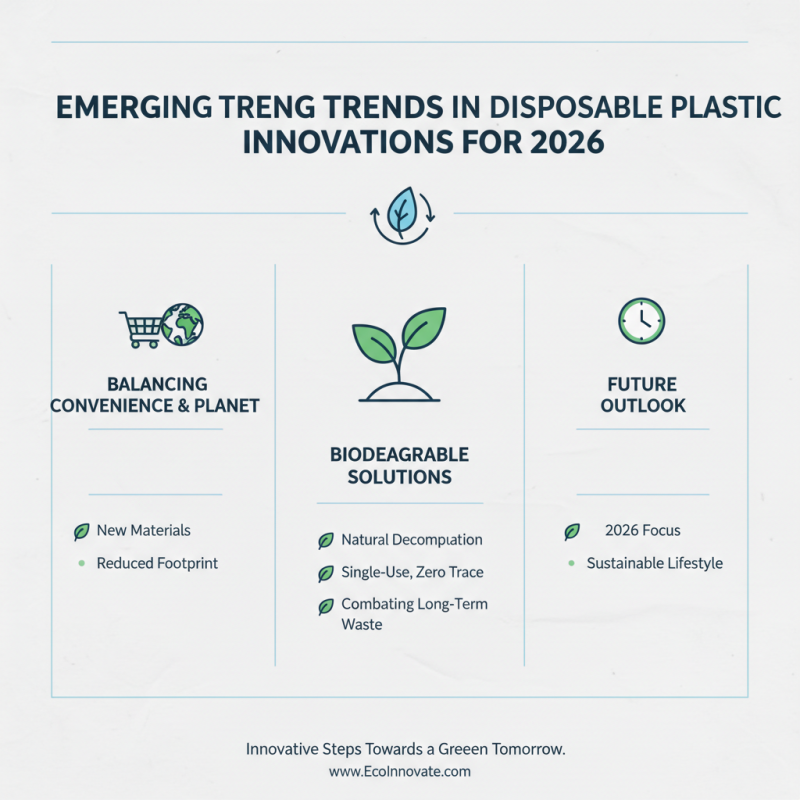
Emerging Trends in Disposable Plastic Innovations for 2026
As we head into 2026, the landscape of disposable plastics is evolving dramatically. New innovations aim to balance convenience with environmental responsibilities. Biodegradable options are at the forefront. These products can break down naturally, reducing long-term waste. Imagine using utensils that decompose after a single-use dinner, leaving no trace behind.
However, not all innovations are perfect. The durability of biodegradable plastics poses challenges. They may not perform as well in hot or wet conditions. This inconsistency raises questions about reliability. Consumers expect reliable products, even when they choose eco-friendly alternatives. Companies must address these issues to build trust.
Moreover, consumer awareness is rising. People now seek products that align with their values. The push for transparency in material sourcing is crucial. Many are curious about how their disposable items are made. This trend encourages manufacturers to improve their practices. Overall, the path to sustainable disposable plastics is complex. Innovations must address challenges while maintaining functionality and consumer confidence.
Key Features of Eco-Friendly Disposable Plastic Products
Disposable plastics are evolving. The market for eco-friendly options is expanding rapidly. According to recent industry reports, 52% of consumers now prioritize sustainable products. This shift signifies a growing awareness of the environmental impact of traditional plastics. Innovations in materials are crucial. Biodegradable polymers, for instance, break down more easily in nature, reducing ecosystem harm.
Key features of these eco-friendly disposables include compostability and reduced carbon footprints. Many products are made from plant-based materials, which can significantly lower greenhouse gas emissions during production.
Additionally, studies show that items like biodegradable cutlery can decompose within months, unlike conventional plastic, which can last for centuries.
Despite advancements, challenges remain. Not all biodegradable products break down effectively in every environment. Education on proper disposal methods is essential. Misconceptions about the durability and usability of these products linger. A balance must be found between innovation and practicality to ensure that consumers embrace these alternatives fully.
Revolutionary Designs in Disposable Plastic Tableware and Utensils
The landscape of disposable plastic tableware and utensils is evolving. Innovations focus on sustainability. According to a report by the Plastics Industry Association, the market for sustainable disposable products is projected to grow by 12% annually. This shift highlights the demand for alternatives that reduce environmental impact.
Revolutionary designs include biodegradable plates and utensils made from plant-based materials. These options offer convenience while minimizing ecological footprints. In fact, studies show that using biodegradable tableware can cut down waste by 30% compared to traditional plastic. However, the transition to these innovative solutions isn't without challenges. Many consumers remain unaware of the availability of sustainable products.
Designers also explore multifunctional utensils. These can serve more than one purpose, reducing the need for multiple items. For instance, a spoon-fork hybrid can simplify dining experiences. Simultaneously, some designs raise concerns about durability and user experience. Balancing sustainability with functionality remains a critical task. The continuous improvement of materials and designs is essential for broader acceptance and use.
Sustainable Materials and Their Impact on Disposable Plastic Use
Disposable plastics have significantly impacted our environment. In recent years, the push for sustainable materials has gained momentum. According to a report by the Ellen MacArthur Foundation, over 300 million tons of plastic are produced annually. This staggering figure highlights the urgent need for innovation.
Sustainable alternatives, such as bioplastics, are becoming more prominent. These materials can break down over time, reducing landfill strain. A study from the World Economic Forum indicates that switching to bio-based plastics could reduce greenhouse gas emissions by 75%. However, challenges remain in production costs and recycling efficiency.
Despite the progress, it’s essential to acknowledge the limitations of these innovations. Many bioplastics still require specific conditions to decompose. Furthermore, public understanding of these materials is often lacking. Education is crucial for fostering responsible disposal and promoting environmental awareness. Solutions exist, yet true sustainability needs a collective commitment.
2026 Best Disposable Plastic Innovations for Everyday Use
| Innovation |
Sustainable Material |
Impact on Plastic Use |
Potential Applications |
| Biodegradable Cutlery |
PLA (Polylactic Acid) |
Reduces landfill waste by 50% compared to traditional plastics. |
Catering and events |
| Compostable Plates |
Bagasse (Sugarcane Fiber) |
Decomposes within 90 days in commercial composting facilities. |
Food service industry |
| Recycled Plastic Bags |
Recycled HDPE |
Lowers new plastic production by 30%. |
Retail and grocery sectors |
| Stay-Fresh Wrap |
Beeswax-coated fabric |
Reduces plastic wrap usage by 70%. |
Home and kitchen use |
| Plant-Based Straws |
Corn starch |
Eliminates the need for traditional plastic straws. |
Restaurants and bars |
Future Perspectives: Regulation and Consumer Preferences in 2026
As we look toward 2026, the landscape of disposable plastic innovations is evolving. Consumers are becoming more discerning about the products they use. They are increasingly concerned about the environmental impact of plastic waste. This shift is forcing manufacturers to rethink their approaches. Public regulations are tightening, demanding more sustainable practices.
New innovations are emerging that reflect these changing preferences. Biodegradable plastics and recycled materials are on the rise. These products aim to minimize environmental harm while remaining functional. However, the technology is not without flaws. Some biodegradable options do not decompose in every environment. This raises questions about their true environmental benefits.
Consumer education plays a critical role in this transition. Awareness of packaging materials influences purchasing decisions. Many consumers feel overwhelmed by conflicting information. They seek clarity and transparency from brands. Manufacturers must address these concerns to build trust. This ongoing dialogue between producers and consumers is essential for a more sustainable future. The journey toward responsible consumption is ongoing, and both sides must adapt.